
How to Learn a Musical Instrument for Beginners (Simple Steps That Work)
✨Key Points
- Build a strong foundation. Start with basics like instrument parts, simple techniques, and reading music;
- Stay consistent with practice. Short, regular sessions are more effective than occasional long ones;
- Get guidance and stay motivated. A teacher or structured resources help you improve faster and stay on track.
Most musicians will tell you that learning to play an instrument is not easy. It can feel frustrating, especially in the beginning when progress seems slow.
But this is completely normal. Research shows that around 80–90% of beginners struggle in the first year, often because they lack structure or clear guidance—not because they lack talent.
The good news is that there are ways to make the process easier and more enjoyable.
Playing an instrument is not only rewarding, it also has real benefits.
Studies show that musicians often have better memory, stronger focus, and improved problem-solving skills compared to non-musicians. It is both a creative and cognitive skill.
Still, many people face challenges when learning. Even with regular practice, progress can feel inconsistent.
That is why having the right approach matters more than just putting in time.
If you are just starting, a few simple strategies can make a big difference in how quickly and confidently you improve.
Start By Learning The Basics
When you are just starting, focus on building a strong foundation.
This makes everything easier as you progress.
- Learn the parts of your instrument and how it works;
- Practice simple techniques before moving to complex pieces;
- Start learning how to read sheet music.
There are many online resources available, including tutorials and piano sheet music for download, which are great for beginners.
Learning an instrument takes patience, dedication, and consistency.
You will face challenges, and that is part of the process.
Taking lessons from a professional instructor can make a big difference. It helps you:
- Learn proper technique from the beginning;
- Avoid bad habits that are hard to fix later;
- Set clear, achievable goals;
- Stay motivated, even when progress feels slow
It is also a great way to connect with other musicians and stay inspired as you learn.
Set Achievable Goals
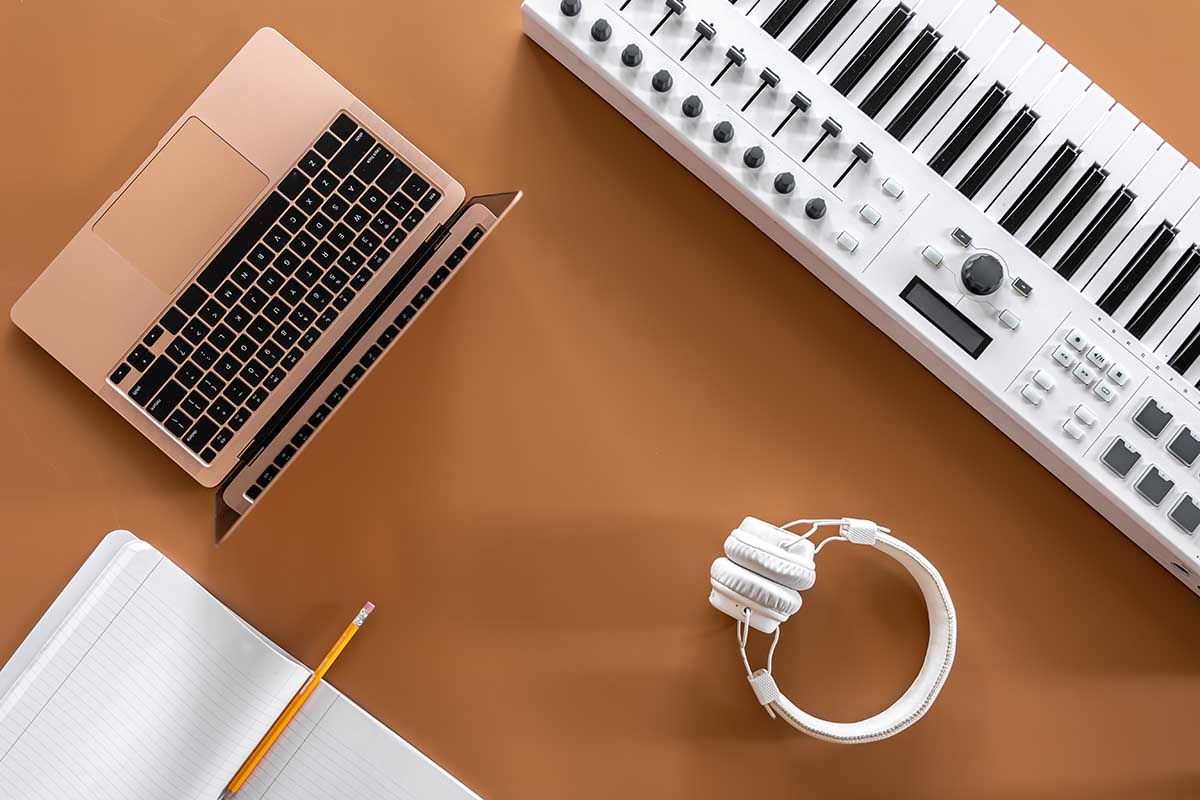
Set clear, achievable goals when you’re starting.
This keeps you focused and motivated during practice.
It also helps to learn with a teacher or a practice partner who can guide you and keep you accountable.
Do not expect instant results.
Learning an instrument takes time, and it may take months or even years to play your favorite songs with confidence.
What matters most is consistency. Practice regularly, stay open to learning, and be patient with yourself.
Progress does not happen overnight, but it builds over time.
Take it step by step, and do not get discouraged if things feel difficult at first.
Practice Every Day
To improve your skills, consistency matters more than long practice sessions.
You do not need to practice for hours, but aiming for at least 20–30 minutes a day can lead to steady progress.
Build a simple routine that you can follow daily. Even on busy days, stay connected to your instrument.
- Practice regularly, even if it is for a short time;
- Review your music sheets to reinforce learning;
- Spend time exploring and getting comfortable with your instrument.
Your mindset also plays a big role. Progress comes from patience and consistency, not perfection.
Mistakes are part of learning. Many beginners feel discouraged when things do not sound right, but that is how improvement happens.
Stay focused, enjoy the process, and keep showing up. Over time, small daily efforts turn into real progress.
Invest In The Right Equipment

When you start learning an instrument, it is normal to begin with something simple and affordable. You do not need top-level equipment right away.
As your skills improve, upgrading becomes important. A better instrument can improve sound quality, make playing easier, and keep you motivated to practice.
When the time comes, invest in quality equipment that supports your progress.
- Choose an instrument that feels comfortable and sounds clear
- Do not settle for very low-quality gear that slows your learning
- Get the right accessories to support practice
For example, if you are learning how to play the guitar, having a well-made guitar can make a noticeable difference in how you play and how your music sounds.
Think of it as an investment in your growth.
Make Use Of Technology In Music Education
Technology can make learning an instrument much easier and more effective today.
Many beginners now use online tools and apps to build skills faster and stay consistent.
For example, you can start piano lessons in Australia, which can help improve motor control, listening skills, and memory—especially when working with sound and rhythm.
There are also many programs designed specifically for beginners that can support your learning:
- Help you learn how to read sheet music step by step;
- Train your ear to recognize notes and sounds;
- Improve timing, rhythm, and coordination;
Before moving on to advanced songs or techniques, focus on understanding the basics.
Reading sheet music is a key skill for any musician, and technology can make this process much more approachable.
If you are not confident yet, use these tools to practice regularly and build your skills at your own pace.
They can even help the user identify the different notes on their musical instruments and improve their rhythm and timing skills.
Join A Band Or Orchestra

Playing in a band or orchestra is one of the best ways to grow as a musician.
It makes learning more engaging and helps you improve faster by playing with others.
- You learn by listening and adapting to other musicians;
- You build timing, rhythm, and teamwork skills;
- You gain confidence performing in a group setting.
It is also a great way to meet people and stay motivated.
Being around other musicians pushes you to keep improving and makes the process more enjoyable.
If you cannot find a local group, there are many online communities where you can connect with musicians, collaborate, and learn together.
Most importantly, keep it fun. Music should never feel like a chore.
When you enjoy the process, you are more likely to stay consistent and reach your goals.
Learning an instrument takes time, patience, and practice.
But with steady effort and the right mindset, you will be able to play your favorite songs and truly enjoy the journey.