
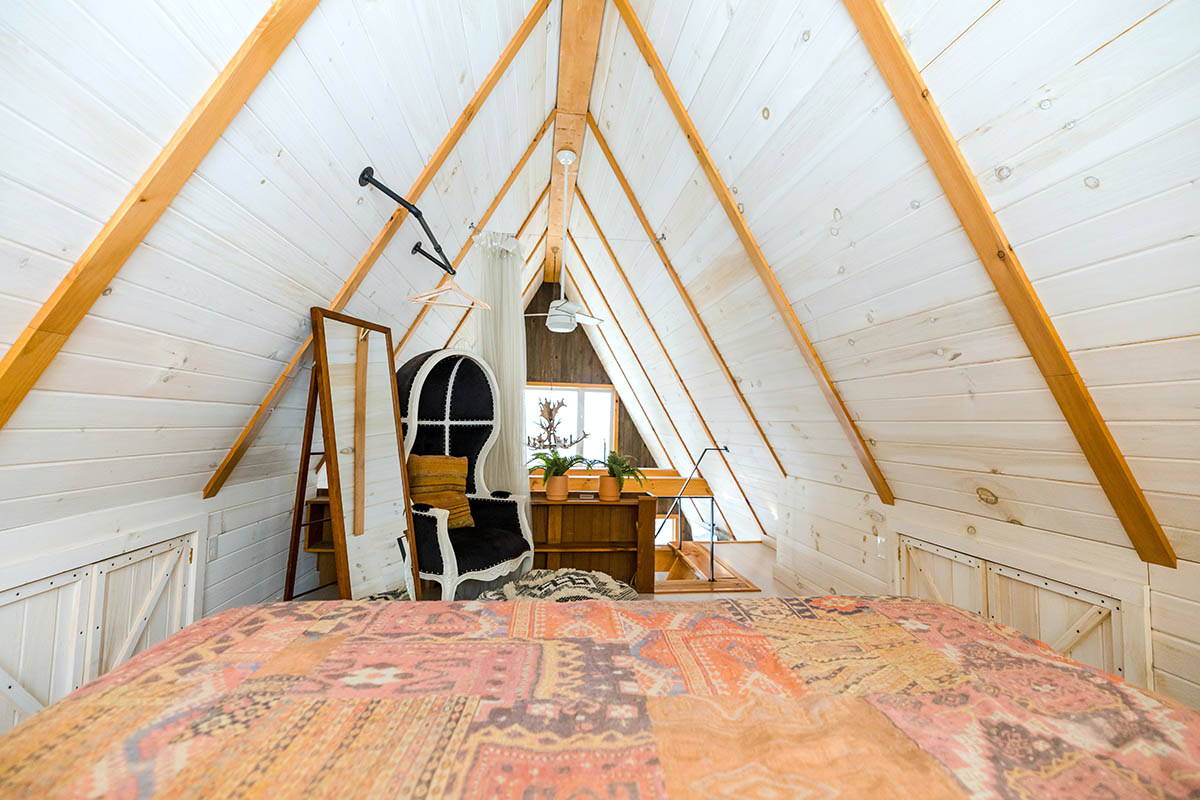
5 Best Attic Ladder Hinges for Safe, Smooth Access
✨ Key Points
- Compatibility comes first. The size, mounting pattern, load rating, and mechanism must match the ladder.
- Inspect the entire assembly. New hinges cannot fix damaged steps, weak framing, or incorrect installation.
- Know the limits. Hinges can improve attic access, but creating a legal bedroom may require permanent stairs, structural work, ventilation, insulation, permits, and emergency egress.
An attic ladder that shakes, sticks, or drops too quickly can become a serious safety problem.
Worn hinges may affect the ladder’s stability, opening angle, and connection to the frame.
The U.S. Consumer Product Safety Commission has previously recalled attic stairways after hinge failures caused ladders to collapse and injure users.
Replacing damaged attic ladder hinges can restore smoother movement and extend the ladder’s life, but the replacement must match the original assembly.
Before buying, check:
- Ladder brand and model;
- Hinge dimensions and mounting holes;
- Weight capacity;
- Ladder material;
- Left, right, or universal compatibility;
- Spring or counterbalance mechanism;
- Condition of the frame, steps, and fasteners;
Do not choose a hinge based on appearance alone.
If the ladder is cracked, bent, separating from the ceiling, or missing its identification label, replacing the complete unit may be safer than repairing one component.
This guide compares five common attic ladder hinge options and explains what to check for safer, more dependable attic access.
Safe Attic Access Comes First
Strong, compatible hinges help an attic ladder open smoothly, remain stable during use, and close securely.
However, hinges alone cannot make an attic “extra bedroom-ready.”
Pull-down ladders are generally intended for occasional attic access, while a legal sleeping space may require a permanent code-compliant staircase and an emergency escape opening.
When evaluating the ladder assembly, check:
- The manufacturer’s total weight rating;
- Compatibility between the hinges and ladder model;
- Secure attachment to the ceiling frame;
- Cracks, bent metal, loose fasteners, or worn springs;
- Stable feet and evenly cut ladder legs;
- A handrail or support rail designed for that ladder;
- Adequate lighting at both the top and bottom;
- Clearance for opening and climbing safely;
A handrail usually belongs to the complete attic ladder system rather than the hinges themselves.
Do not attach unrelated accessories or mix replacement parts unless the manufacturer approves them.
If the attic will become a bedroom, ask a qualified building professional to assess the stairs, structure, ceiling height, insulation, ventilation, fire protection, and emergency egress. Safe ladder hinges are useful for access, but they are only one small part of a safe attic conversion.
Choose Hinges That Open and Close Smoothly
Attic ladder hinges should make the complete assembly easier to control, not merely easier to install.
A ladder that drops suddenly, requires excessive force, or refuses to remain in position may have incompatible hinges, damaged springs, incorrect ladder length, or problems with the frame.
Look for:
- Compatibility with the ladder’s exact brand and model;
- Clear manufacturer installation instructions;
- Smooth, controlled movement;
- A secure open position during use;
- Rust-resistant metal and durable fasteners;
- Replacement springs or hardware that match the original system;
- Accessible customer support and spare parts;
Some complete attic ladder systems include assisted-opening or controlled-closing mechanisms.
Do not assume every “soft-close” hinge closes automatically or can be added to any ladder.
If children live in the home, keep the ladder secured and inaccessible when not in use.
A controlled-closing mechanism may reduce sudden movement, but it does not replace adult supervision or proper installation.
Test the ladder from the floor before climbing it.
If movement remains uneven or the assembly does not lock securely, stop using it and have it inspected by a qualified installer.
Space-Saving Design

A folding attic ladder disappears into the ceiling when not in use, preserving valuable floor space below.
When comparing space-saving systems, check:
- Closed and fully extended dimensions;
- Required floor clearance;
- Ceiling opening size;
- Hinge compatibility;
- Ladder weight capacity;
- Clearance from walls, doors, and furniture;
Compact hinges can improve attic access, but they cannot make the area bedroom-ready by themselves.
A legal attic bedroom may still require a permanent staircase and other code-compliant upgrades.
Sturdy Construction
Attic ladder hinges must support repeated movement and the load placed on the complete ladder assembly. Look beyond appearance and check:
- Steel or another manufacturer-approved material;
- Published weight capacity;
- Exact dimensions and mounting-hole pattern;
- Compatibility with the ladder brand and model;
- Corrosion-resistant coating;
- Included fasteners and installation instructions;
- Warranty and replacement-part availability.
Customer reviews may reveal recurring problems, but they should not replace manufacturer specifications.
An oversized hinge is not necessarily stronger, it may sit incorrectly, damage the frame, or prevent the ladder from opening safely.
If the original model cannot be identified, contact the ladder manufacturer or a qualified installer before purchasing replacement hardware.
Consider Aesthetics After Safety and Function
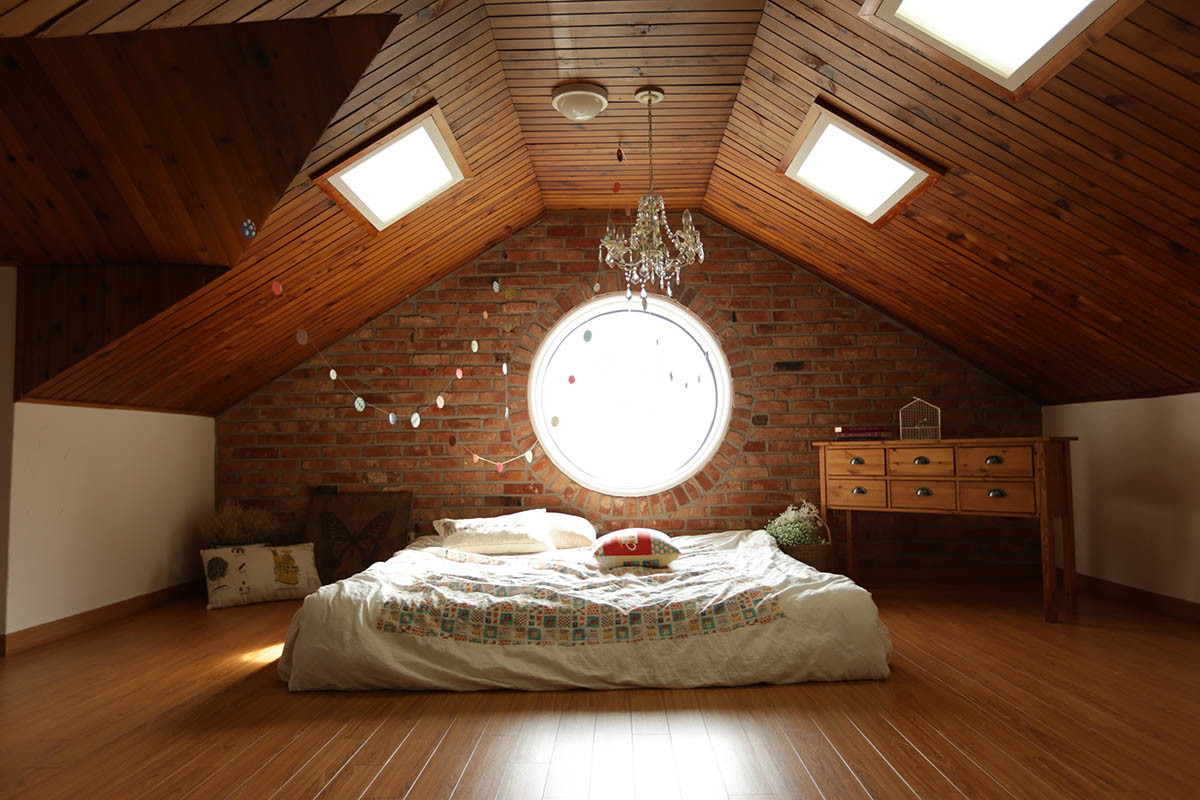
Attic ladder hinges are usually made from steel or another strong metal, even when the ladder itself is wooden.
Since most hinges disappear into the ceiling when the ladder is closed, compatibility and strength matter more than decorative style.
For a cohesive attic conversion, consider:
- Black or stainless-steel hardware for a modern look;
- A hatch panel painted to match the ceiling;
- Recessed handles for a cleaner finish;
- Warm wood finishes around the ladder and trim;
- Soft lighting for sloped or shadowed areas;
- Coordinated bedding, rugs, curtains, and natural textures;
In a compact attic, choose a Murphy bed to preserve floor space when the room is not being used for sleeping.
To make your bedroom cozy, layer breathable bedding, a soft rug, textured cushions, and warm lighting.
Thoughtful tactile layering can transform your bedroom into a calming retreat without overcrowding the limited space.
Aesthetics should enhance the finished room, but never use decorative hardware that is incompatible with the ladder.
Safe load support, correct sizing, and secure installation must always come first.
Conclusion: Choose Safe Attic Access Before Style
Reliable hinges can make a folding attic ladder easier to open, stabilize, and store.
When selecting or replacing them, prioritize:
- Exact compatibility with the ladder model;
- Adequate weight capacity;
- Strong, corrosion-resistant materials;
- Controlled opening and closing;
- Secure professional installation;
- Regular inspection for wear or damage;
However, attic ladder hinges cannot turn an attic into a legal bedroom.
A habitable conversion may require a permanent staircase, structural reinforcement, emergency egress, insulation, ventilation, and building approval.
Once those requirements are satisfied, you can focus on privacy, storage, furniture, and ways to make an attic-converted bedroom comfortable and inviting.
The right hinges improve occasional attic access.
The right planning creates a room that is genuinely safe and practical to use.