

How to Make Your Driving More Eco-Friendly and Save Fuel
✨Key Points
- You don’t need an EV to make your driving more eco-friendly. How often, how far, and how efficiently you drive also affects fuel use and emissions.
- Maintenance and driving style matter. Proper tire pressure, smoother acceleration, less unnecessary idling, and a well-maintained vehicle can improve efficiency.
- The most sustainable trip can be the one you don’t drive. Combining errands, carpooling, walking, cycling, or public transportation when practical can reduce unnecessary mileage.
For many drivers, the environmental conversation creates an uncomfortable dilemma.
You may want to reduce your impact, but you also have groceries, insurance, housing, repairs, and everyday bills to pay.
Replacing a perfectly usable gasoline car with a new EV simply isn’t financially realistic for everyone.
And then there is fuel.
Every time gas prices rise, filling the tank becomes another reminder that driving habits affect both the environment and your wallet.
The numbers make those everyday choices more meaningful.
Transportation accounts for about 28% of U.S. greenhouse gas emissions, with cars and other road vehicles responsible for a substantial share.
Even the way we drive matters: aggressive acceleration, braking, and speeding can significantly reduce fuel economy.
So what if you’re not ready, or can’t afford, to buy an EV?
Start with the car you already have.
- Drive more smoothly to reduce unnecessary fuel consumption.
- Maintain proper tire pressure and keep your vehicle serviced.
- Combine errands instead of making several separate trips.
- Avoid unnecessary idling when practical.
- Walk, carpool, cycle, or use public transportation when it genuinely fits your life.
- Think about how often you drive, not only what type of car you own.
EVs can offer environmental advantages over conventional petrol cars, particularly because they produce no tailpipe emissions.
But sustainability doesn’t have to begin with an expensive purchase.
For millions of people, the realistic question isn’t “Can I buy a greener car tomorrow?” It’s “How can I make the car I already own cheaper and more efficient to drive today?”
That’s where more eco-friendly driving habits can make a practical difference.
Start by Maintaining Your Vehicle Regularly
One of the most practical ways to make driving more sustainable is also one of the least exciting: take care of the car you already own.
The right car care can help a vehicle remain reliable for longer, maintain its fuel efficiency, and catch developing problems before they turn into expensive repairs.
It also supports safe driving habits, because worn tires, neglected brakes, poor visibility, or warning lights aren’t just maintenance issues, they can become safety issues on the road.
You don’t need to obsess over your car every week.
Instead, follow the maintenance schedule recommended for your specific vehicle and pay attention to:
- Tire pressure and tread: Properly inflated, healthy tires support fuel efficiency, handling, and braking.
- Oil and other fluids: Follow your manufacturer’s recommended intervals rather than relying on a universal schedule.
- Brakes: Have unusual noises, vibrations, or changes in braking performance inspected instead of waiting for the next routine service.
- Engine and warning lights: A problem affecting engine performance can sometimes increase fuel consumption as well as signal a repair is needed.
- Exhaust system: Unusual noises, smells, or visible exhaust changes deserve attention, particularly because exhaust problems can involve both emissions and safety.
Most importantly, don’t assume a newer car is automatically the more sustainable answer.
If your current vehicle is safe, efficient enough for your needs, and economical to maintain, taking good care of it and extending its useful life can be a sensible alternative to replacing it simply because something newer is available.
Good car care isn’t only about protecting the vehicle.
It’s about getting more value from what you already own while reducing unnecessary fuel use, repairs, and replacement costs.
Sure, getting a VinFast vehicle would be amazing since EV cars require less maintenance, but until then, try to expand the longevity of your car.
Focus on Your Speed and Driving Style
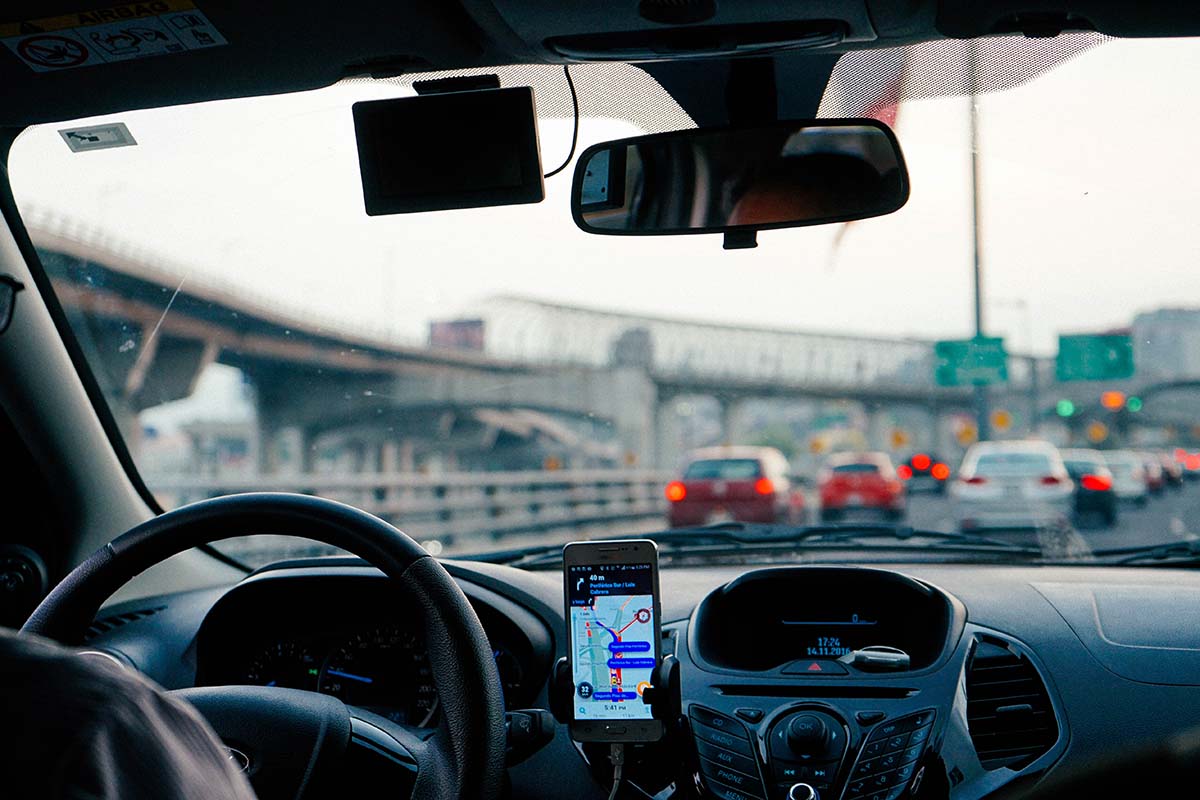
How you use the accelerator can make a noticeable difference to fuel consumption.
But fuel-efficient driving isn’t about driving unusually slowly—it’s about driving smoothly and avoiding unnecessary changes in speed.
Rapid acceleration followed by hard braking uses more energy than anticipating traffic and adjusting your speed gradually.
Higher highway speeds can also increase fuel consumption because your vehicle has to work harder against aerodynamic drag.
For more efficient—and generally more comfortable—driving:
- Accelerate smoothly instead of flooring the gas when the light turns green.
- Look further ahead so you can ease off the accelerator rather than brake suddenly.
- Maintain a steady, appropriate speed when traffic and road conditions allow.
- Follow posted speed limits and adjust your speed for weather, visibility, and traffic.
- Leave enough following distance so you aren’t constantly accelerating and braking with the car ahead.
These are useful safe driving habits as well as fuel-saving ones.
You don’t need to turn every journey into an efficiency challenge. Simply driving more smoothly can reduce unnecessary fuel use while making the ride less stressful for you and your passengers.
Reduce Unnecessary Idling
Sitting in a parked car with the engine running may not feel particularly wasteful, but you’re still burning fuel while traveling exactly zero miles.
You can’t eliminate idling completely.
Traffic jams, intersections, school pickup lines, and other everyday situations aren’t always within your control.
Instead, focus on the idling you can avoid.
If you’re parked and waiting for someone for an extended period, for example, turning off the engine may make more sense than leaving it running.
Modern navigation apps can also help you check traffic before leaving and potentially avoid heavily congested routes.
Carpooling can go one step further.
Rather than simply reducing your own idle time, you’re potentially replacing several separate car journeys with one.
There are exceptions, of course.
Extreme weather, traffic conditions, vehicle requirements, and personal safety can all affect whether switching the engine off is practical.
The goal isn’t to obsess over every minute, it’s to stop burning fuel unnecessarily when there’s no good reason to keep the engine running.
Lighten the Load, But Keep What You Actually Need
Technically, extra weight means your vehicle needs more energy to move.
But this tip needs some perspective.
You don’t need to remove an umbrella or grocery bag every time you drive.
Instead, look for heavy items you’re carrying around for weeks or months without using.
That might include:
- Equipment left over from a project or trip.
- Heavy boxes sitting permanently in the trunk.
- Seasonal equipment you no longer need.
- Unused roof racks, cargo boxes, or carriers.
Roof-mounted equipment deserves particular attention because it can also increase aerodynamic drag, especially at highway speeds.
But don’t sacrifice preparedness just to save a tiny amount of fuel.
Your spare tire or repair kit, emergency supplies, first-aid kit, and other useful safety equipment have a reason to be there.
Eco-friendly driving should make everyday car ownership more efficient, not turn it into an exercise in removing everything from your trunk to save a few cents.