Is Buying a Retail Store a Good Investment?
✨ Key Points
- Buying a retail store can give you more control over how you earn and room to grow the business.
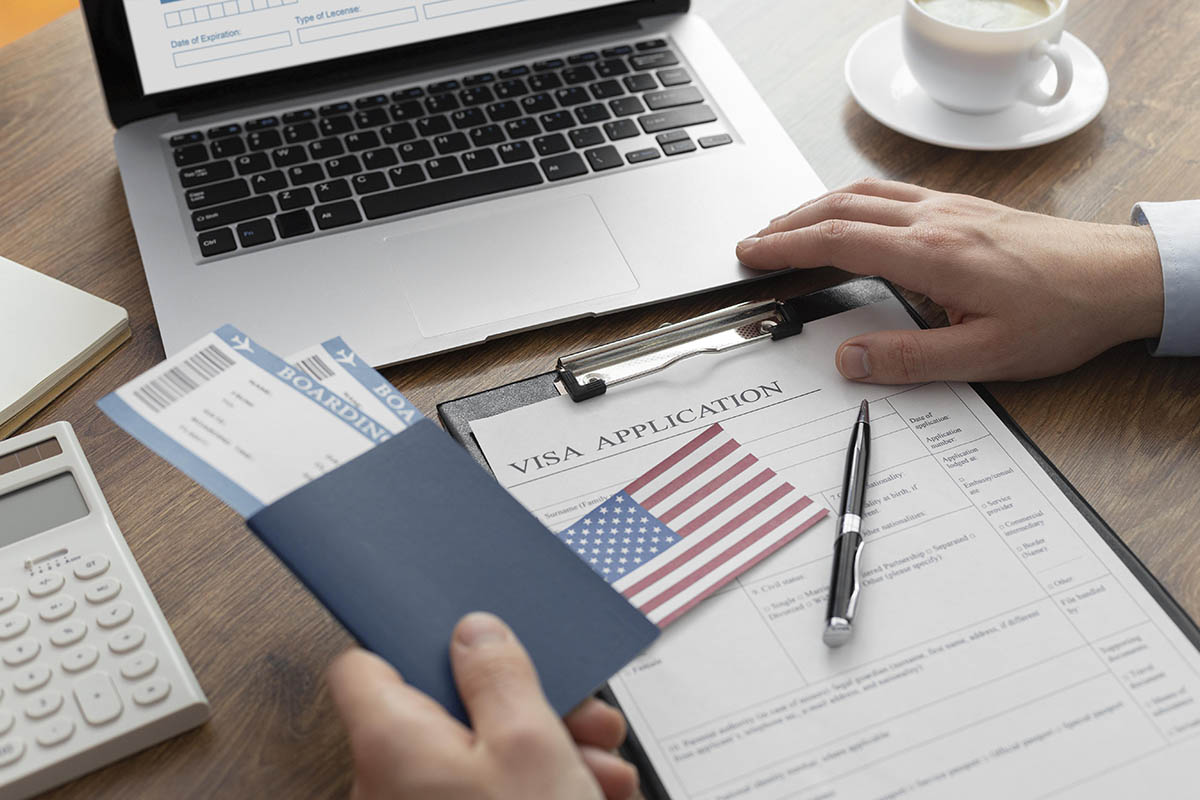
- Look beyond the purchase price. Budget for inventory, operating expenses, renovations, and any required permits or surety bonds.
- A well-planned store layout can reflect your brand and make it easier for customers to browse and shop.
If you’ve been working hard and saving over a long period, then now may be the time that you are open to investing your money into a new project.
Investing your money into something you can be passionate about could potentially build incredible wealth and give you greater independence.
How you invest your money can be done in many ways.
However, one way we will look more into it is to buy a shop as a good investment.
Shops offer a lot of growth, financial rewards, and freedom – freedom is often achieved once your shop has a steady reputation.
By investing in a shop, you’ll benefit from learning a lot (did you know that you may need to buy a surety bond?) as well as taking on a new challenge.
In some cases, investing in a shop is better than investing in property, which is often what many people turn to when looking to invest their money.
Below, we look into four reasons why buying a shop would be a good investment.
If you opt for a shop, one of the best parts of owning one is the shop fitout.
This is where you decide on how it’s going to look.
Buying a Shop in a Good Location
Before you pay more for a busy location, find out who walks past the shop, when they come by, and whether they actually stop to buy.
A coffee shop might do well near a train station during the morning rush, while a furniture store may get more value from easy parking and a convenient pickup area.
- Visit at different times. Spend 20 minutes outside the shop on a weekday morning, a weekday afternoon, and a Saturday. Count how many people pass, how many stop to look, and how many walk in. If the area draws tourists, ask what business looks like in the off-season.
- Check the seller’s numbers against what you see. Ask for monthly sales and transaction counts, then find out how much revenue comes from walk-ins versus online orders. A store can look busy on paper even if the location itself generates little of its revenue.
- Look for reasons customers might turn around. Try getting there the way a customer would. Can you spot the entrance from the street? Is parking easy? Can someone carrying a bulky purchase get back to their car without a hassle?
- Calculate what the better location has to earn. Say one storefront costs $1,500 more per month and you keep $15 from each sale after product costs and other per-sale expenses. You’d need 100 extra sales a month just to cover the difference. Compare that target with the shop’s actual transaction counts before paying the premium.
You Can Make Your Business a Franchise
Some of the most successful businesses in the world are franchises, think McDonald’s, KFC, Burger King, 7-Eleven, The UPS Store and more.
By investing in a shop and working hard to make it a success, you could potentially turn it into a franchise that others can buy into.
By turning it into a franchise, you will gain a monthly income from the people who want to become a franchise of your shop.
The more people who want to trade using your name, the greater your income and the better the investment will become.
Becoming a franchise is a great way to also expand your business, with rapid growth being one of the key benefits.
You Can Sell the Shop
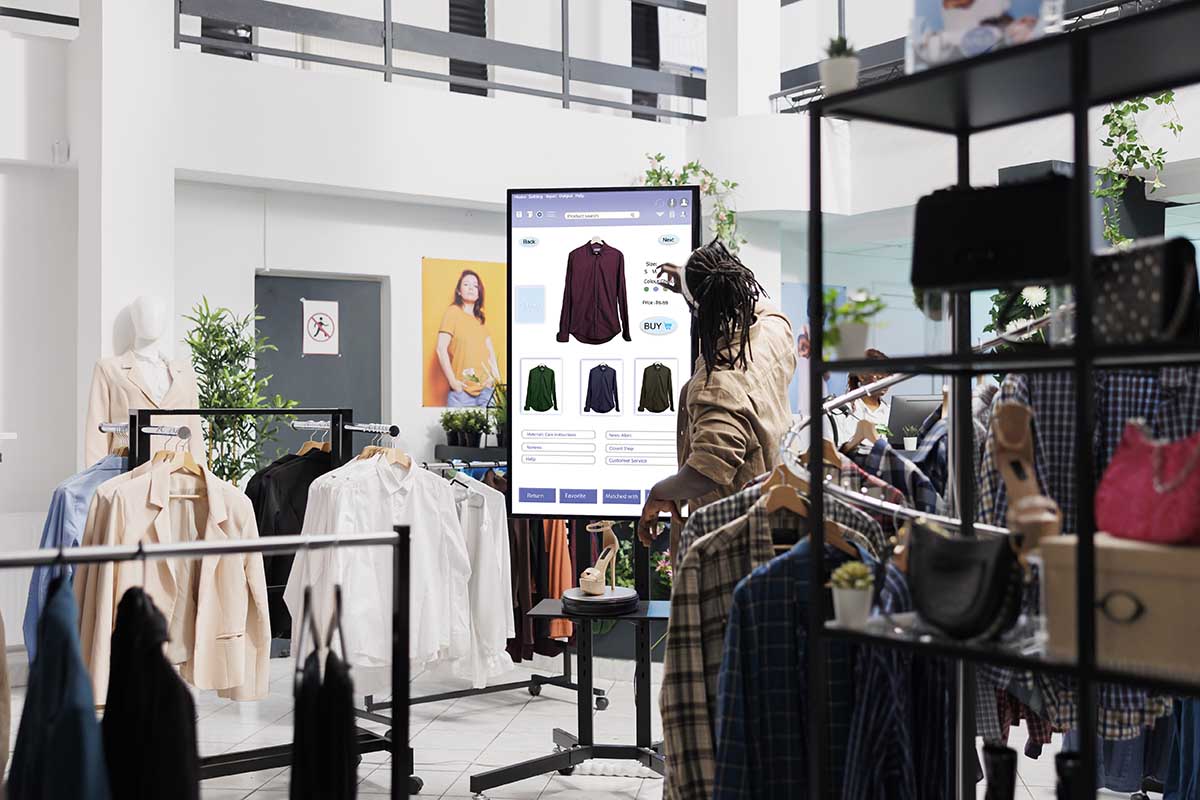
A shop gives you something you may be able to sell if your plans change.
How much you could get back depends on what you own, how the business is doing, and whether a buyer can keep it running after you leave.
- If you own the building, look at the property and the business separately. A clothing boutique might be losing money while the storefront itself still appeals to another retailer. Look at recent sales of comparable commercial spaces to get a sense of what the property could fetch.
- If you lease the space, check what a buyer can take over. You might be selling the name, fixtures, equipment, and inventory. But if the lease is about to expire, a buyer who wants that location will need to know whether they can stay and what the rent will be. Check the lease for transfer terms and any landlord approval requirements.
- If sales are struggling, estimate what you could actually recover. A stockroom full of last season’s merchandise might sell at a steep discount. Estimate what a buyer would pay for the stock and equipment, then subtract outstanding debt and selling costs to see what you might walk away with.
Is Buying a Retail Store Worth It?
Maybe you’ve always pictured running a neighborhood bookshop or opening a boutique that feels like yours.
Before you make an offer, picture an ordinary Tuesday there, too.
What does the shop need to sell that day? Who covers it when you take time off? And how much cash would you have left if the first few months were slow?
- Can the shop pay you in a quiet month? Ask for monthly sales and expense records. A gift shop can have a great December and still struggle to cover payroll in February. Run the numbers for a slow month and include what you need to pay yourself.
- Does the location bring in the right customers? Visit on a weekday and a weekend. A busy corner can look promising, but if most people are rushing to catch a train, see how many actually stop and browse.
- What will you need to spend after closing? Leave room in your budget for restocking, repairs, and any changes you want to make to the space. If your first plan is to redo the entire shop, price that work before you commit to the purchase.
- Will owning the shop give you the freedom you want? Ask how many hours the current owner works and what they handle personally. If the shop only makes money because the owner covers most shifts, include the cost of hiring help before you decide what it’s worth to you.
If the shop can pay you through a quiet month, the purchase leaves you enough cash to handle surprises, and you’d still look forward to that ordinary Tuesday, it’s worth a closer look.