What It Really Costs to Live in Seattle
✨ Key Points
Housing Is the Biggest Expense – Living in Seattle comes with high rent and home prices, but working with a discount agent or choosing neighborhoods wisely can ease the burden..
Daily Costs Add Up – Coffee, dining out, and transportation in Seattle are pricier than the national average, requiring smart budgeting habits.
Lifestyle Balance Matters – Free outdoor activities and cultural perks help balance out high entertainment costs, making the trade-offs worthwhile.
Seattle has a way of drawing people in — with its world-famous coffee culture, thriving tech scene, and unmatched access to nature and outdoor recreation right from the city, it’s no wonder thousands choose to relocate here each year.
In fact, Seattle added nearly 17,000 new residents in 2024 alone and now tops 816,000 people, showing continued growth despite high housing costs and seasonal weather patterns.
So why are people still choosing Seattle, even amid economic shifts and recent layoffs?
The answer lies in a combination of long-term opportunity and lifestyle advantages that remain hard to match:
Diverse job opportunities beyond tech, including healthcare, aerospace, clean energy, research, and logistics;
Seattle lifestyle benefits like walkable neighborhoods, vibrant food and arts scenes, and year-round cultural events;
Immediate access to nature, from urban parks and waterfront trails to mountains, forests, and national parks just a short drive away;
Strong suburban options that offer more space, community, and flexibility without losing access to the city.
For many newcomers, this balance explains why people move to Seattle even when the economy tightens.
They’re not just chasing a single job, they’re choosing a region that supports career resilience, personal well-being, and long-term quality of life.
Whether you’re considering life in the city or exploring Seattle nearby suburbs, Seattle continues to offer a compelling mix of opportunity and livability that keeps people coming, and staying.
But behind the skyline views and buzzing neighborhoods lies a practical question every newcomer or longtime resident faces: what does everyday life in Seattle really cost?
The Price of a Seattle Lifestyle

Coffee and Dining Out
It’s no secret that Seattle runs on coffee, and that culture comes with a cost.
A daily latte from a local café typically runs $5–$7, which can quietly add up to $150–$200 per month if it’s part of your routine.
For newcomers, this is often one of the first lifestyle costs they notice.
Dining out follows a similar pattern. In Seattle, an average restaurant meal costs $20–$25 per person before drinks, and sit-down dinners can easily climb higher once tax and tips are included.
Compared to many U.S. cities, Seattle consistently ranks on the higher end for food and beverage prices, largely due to labor costs, rent, and ingredient sourcing.
That said, the city offers flexibility if you know where to look. One of Seattle’s strengths is the range of food options available at every price point:
Food trucks and casual spots offering meals for $15–$20;
Ethnic eateries and neighborhood cafés with generous portions and lower prices;
High-end restaurants for special occasions, rather than everyday dining.
Many residents balance costs by mixing home cooking with selective dining out, or by supporting local spots that deliver quality without premium pricing.
For people considering the economics of living in Seattle, food costs are real, but they’re also manageable with a little awareness and planning.
The takeaway isn’t that Seattle is expensive across the board, it’s that lifestyle choices matter.
With the right balance, you can enjoy the city’s iconic coffee culture and diverse food scene without letting it quietly dominate your monthly budget.
Transportation and Getting Around

Seattle has a growing Seattle Link light rail system, reliable bus routes, and ferries that make commuting manageable without a car, especially for people living near transit corridors.
As of today, a one-way Link light rail or bus fare typically ranges from $2.25 to $3.50, depending on distance, while an ORCA monthly pass generally falls between $99 and $150 for most daily commuters.
For many residents, public transit is a cost-effective alternative to driving, particularly when commuting downtown or to major employment hubs.
Ferries add another option for those coming from waterfront or island communities, though fares vary by route and vehicle use.
Still, a large portion of Seattle residents rely on cars, especially in neighborhoods with limited transit access or for families balancing work, school, and activities.
Parking is where costs can escalate quickly:
Downtown parking often exceeds $300 per month, and can reach $400+ in premium garages;
Street parking is limited and often time-restricted;
Event days can drive hourly rates significantly higher;
Gas prices in Seattle also tend to stay above the national average, which further increases the cost of daily driving compared to many other U.S. cities.
Because of this, choosing the right neighborhood often comes down to practical trade-offs:
If you value walkability and transit access, living near light rail or frequent bus routes can save hundreds each month;
If you prioritize space and flexibility, driving may still make sense, but budgeting for parking and fuel is essential.
Understanding transportation costs upfront is a key part of navigating the economics of living in Seattle and finding a neighborhood that truly fits how you move through the city day to day.
Housing Costs
Housing is where Seattle’s everyday economics hit hardest.
Whether renting or buying, prices reflect the city’s popularity and job market strength.
Rent for a one-bedroom apartment in popular neighborhoods like Capitol Hill or Ballard can run $2,000–$2,500 per month, while home prices continue to climb in desirable areas.
For buyers, small shifts in price or savings can make a big difference, which is why some work with a discount agent in Seattle to offset costs and keep more money in their pocket at closing.
Entertainment and Lifestyle
Seattle’s outdoor perks (hiking trails, kayaking spots, and parks) are often free or low-cost.
Museums, concerts, and sports games, however, can add up quickly.
A Seahawks ticket, for example, often runs well over $150.
Locals balance this by taking advantage of free events, farmers’ markets, and the city’s abundant green space.
The Bottom Line
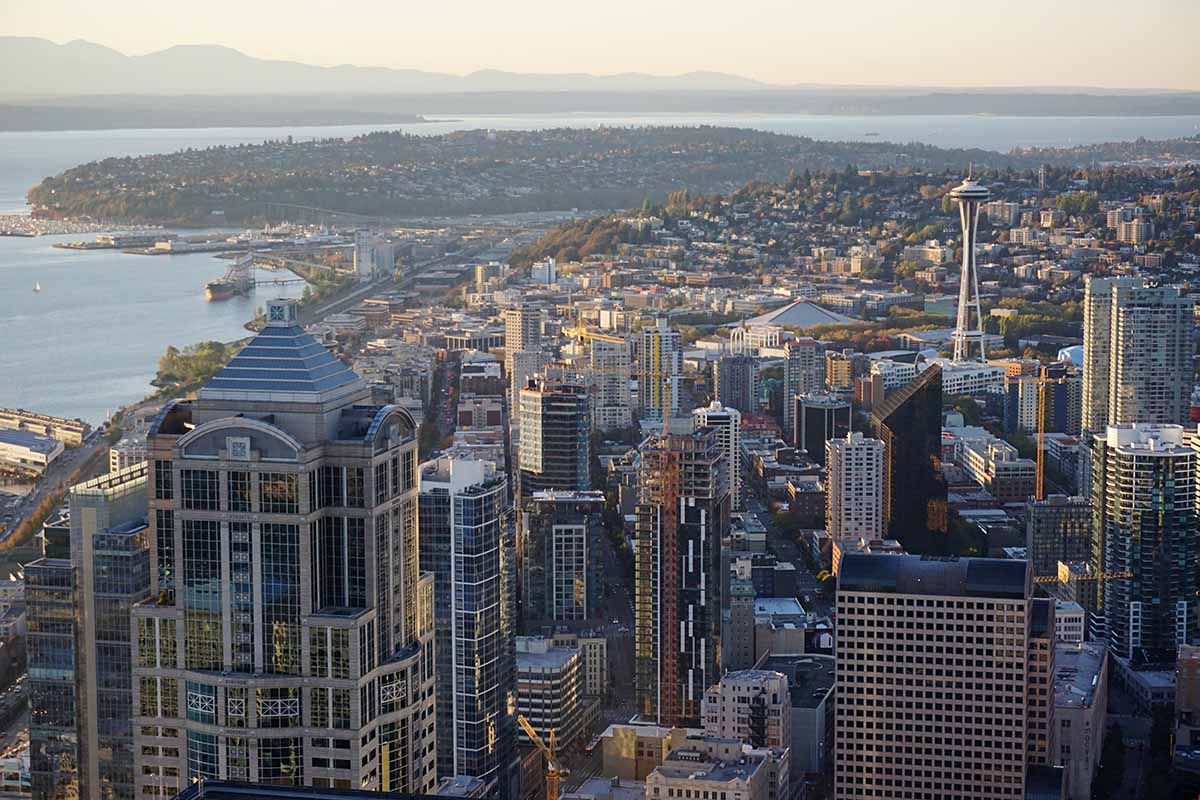
Living in Seattle isn’t cheap, and most people feel that reality quickly, from housing and transportation to food and parking.
But for many residents, the trade-offs are worth it: a resilient economy, strong long-term career opportunities, vibrant neighborhoods, and the unmatched beauty of the Pacific Northwest right outside the city.
What makes the difference isn’t income alone, it’s strategy.
People who thrive here tend to learn how to navigate everyday costs by:
Choosing the right Seattle suburb or neighborhood based on transit access, parking, and lifestyle needs;
Understanding the economics of living in Seattle, including transportation and food costs, before signing a lease;
Reducing expenses by cooking more at home and being selective about dining out;
Planning ahead for realities like protecting your car in Seattle, especially if street parking is involved.
Considering security, parking, and commute time when searching through Seattle home rentals.
When you think through these factors in advance, Seattle becomes far more manageable and far less overwhelming.
Instead of reacting to high costs after you arrive, you’re making informed decisions that align with how you actually live and move through the city.
For people willing to plan, adapt, and prioritize what matters most, Seattle offers a lifestyle that’s hard to replicate elsewhere.
Thinking through neighborhoods, transportation, and daily expenses before moving can make the transition smoother and help you enjoy everything the city has to offer, without constant financial stress.