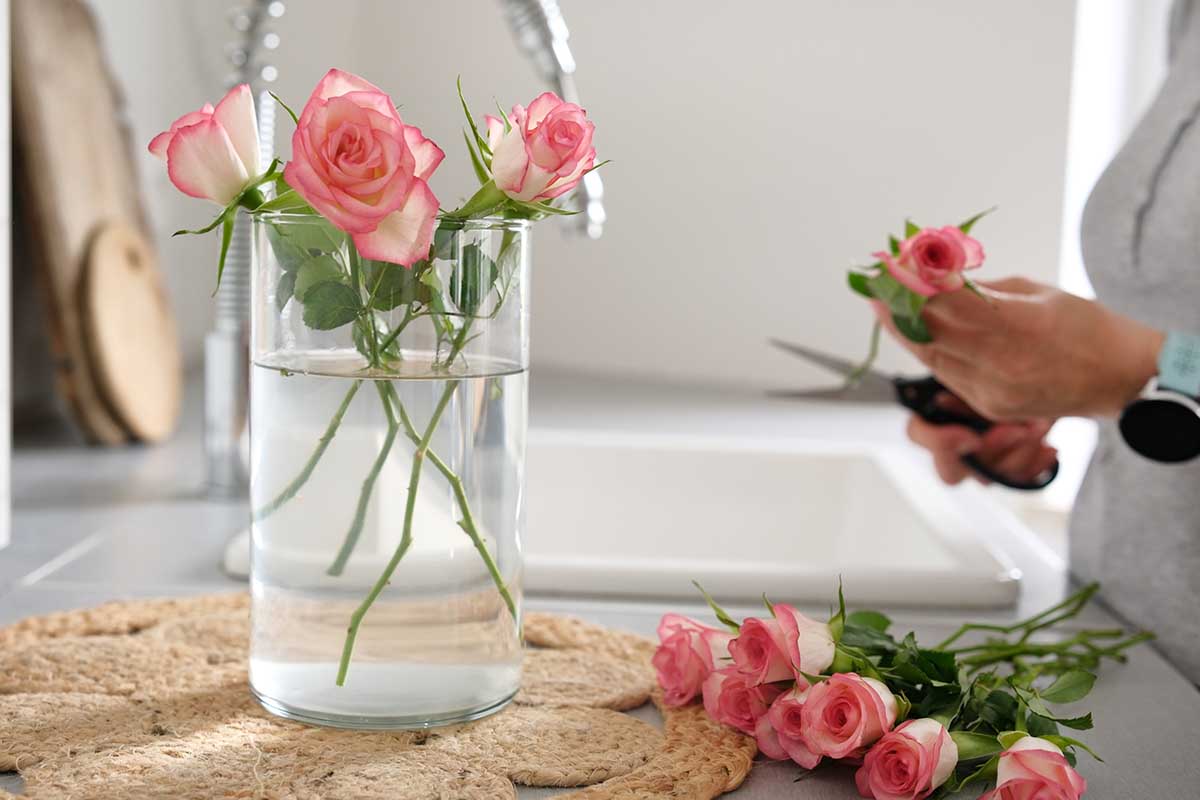
How Farm Fresh Roses Go From Field to Vase
✨ Key Points
- Farm fresh roses are carefully grown in ideal conditions to ensure strong stems, vibrant color, and long vase life.
- Timing matters — roses are harvested partially open and cooled immediately to lock in freshness.
- Careful sorting, refrigerated transport, and florist prep ensure roses arrive looking just-picked.
Few flowers evoke as much beauty and emotion as roses.
They’re also the most popular cut flower in the world, accounting for nearly 40% of global cut flower sales.
From romantic gestures to everyday moments, roses play a central role in how we celebrate, comfort, and connect.
When you receive a bouquet of farm fresh roses, it’s easy to focus on their rich color and fragrance without realizing the journey behind them.
Many roses travel 1,000–5,000 miles from farm to florist, often within just 48–72 hours of being cut, thanks to modern cold-chain logistics designed to preserve freshness.
Understanding how farm fresh roses go from field to vase helps explain why some bouquets last longer and look better than others.
High-quality roses depend on a series of carefully timed steps, including:
Harvesting at the right stage, usually when buds are partially open to ensure longer vase life
Immediate hydration and cooling to slow wilting and lock in freshness
Strict temperature control during transport, which can extend flower life by up to 10 days
Careful sorting and handling to remove damaged stems before they ever reach consumers
Sustainability also plays a growing role in this journey.
Many rose farms now use drip irrigation systems that reduce water use by up to 60%, along with integrated pest management techniques that minimize chemical use.
Some growers even rely on solar energy and rainwater collection to reduce environmental impact while maintaining bloom quality.
Every bouquet of farm fresh roses represents careful timing, skilled labor, and thoughtful handling.
From healthy soil and precise harvesting to refrigerated transport and florist care, each step is designed to protect the beauty you see and the longevity you enjoy—once those roses finally reach your vase.
Growing the Perfect Roses
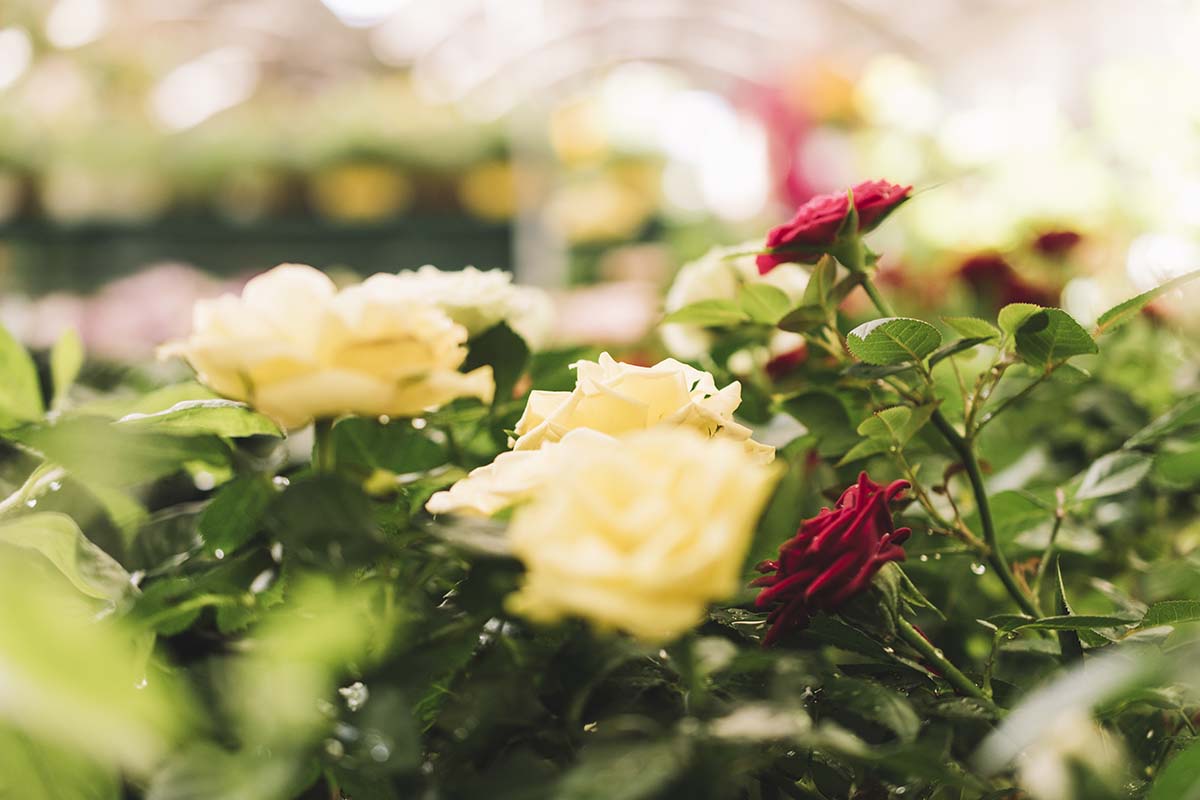
The journey of farm fresh roses begins in carefully tended fields.
Growers select rose varieties based on climate, soil conditions, and intended use.
These flowers thrive in nutrient-rich soil with plenty of sunlight, and farmers monitor them closely to ensure they receive the right balance of water and nutrients.
Pest control and disease prevention are handled with eco-friendly methods whenever possible to protect the environment and maintain the quality of the blooms.
Farm fresh roses are often grown in greenhouses or outdoor fields, depending on the season and the variety.
Greenhouses allow for controlled conditions, ensuring roses grow strong and vibrant even when outdoor weather is unpredictable.
The goal at this stage is to cultivate flowers that are not only visually stunning but also durable enough to survive shipping and handling.
Harvesting at the Right Time
Timing is critical when it comes to picking roses.
Farmers harvest the blooms when they are partially open, which ensures they arrive at their destination looking fresh and full.
Cutting too early or too late can impact both the appearance and longevity of the roses.
After cutting, roses are immediately placed in cold water to maintain their freshness.
This step slows down the natural process of wilting and preserves the color, fragrance, and structural integrity of the petals.
Proper handling during this stage is essential because even minor bruising or bending can reduce the quality of the blooms.
Processing and Packaging
Once harvested, farm fresh roses are carefully sorted by size, color, and stem length.
Damaged or imperfect stems are removed, ensuring that only the highest quality flowers make it to market.
After sorting, the roses are bundled and prepared for transportation.
Many growers use temperature-controlled trucks or refrigerated storage to maintain freshness during transit.
Roses are also wrapped in protective materials to prevent damage from friction or environmental exposure.
This meticulous packaging process ensures that when the flowers arrive at a florist or grocery store, they look as fresh and vibrant as they did in the field.
Distribution to Florists and Consumers
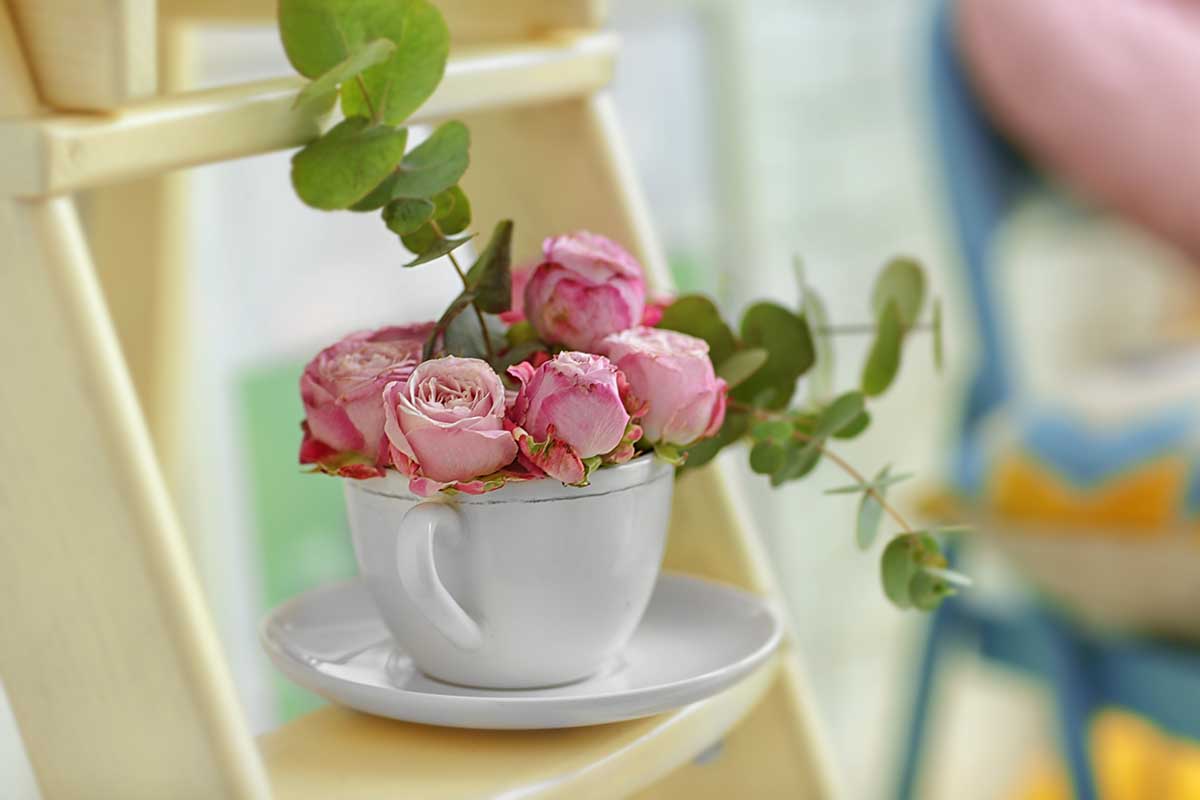
From growers, farm fresh roses are sent to wholesalers, florists, and retailers.
Florists often receive these roses early in the morning to ensure they remain fresh for customers.
Upon arrival, roses are trimmed, hydrated, and thoughtfully arranged into bouquets, with each stem receiving individual attention.
Excess leaves and thorns are removed to create a clean, elegant look that complements different styles and spaces.
This careful preparation also helps customers decide how to choose flowers that match their home décor, whether they’re looking for soft, neutral tones to enhance a minimalist room or bold colors to add contrast and personality.
Once home, consumers can enjoy farm fresh roses for a week or longer with proper care.
Placing them in clean water, changing the water regularly, and keeping them in a cool location will help preserve both their beauty and fragrance—allowing the bouquet to enhance the look and feel of the space for days to come.
The Beauty of a Journey
Every bouquet of farm fresh roses represents a journey of care, expertise, and attention to detail—one that makes these flowers the perfect way to enter your crush’s heart.
From the fertile fields where they are grown to the skilled hands that arrange them into stunning bouquets, each step is designed to preserve beauty, freshness, and emotional impact.
The next time you admire a bouquet of farm fresh roses, you’ll understand the effort behind every petal—and the story that carried it from field to vase, ready to create a moment that truly matters.