Greenland Travel Guide 2026: Arctic Adventures, Ice Wonders, and How to Visit Responsibly
✨ Key Points
1️⃣ Greenland in 2026 is easier to reach, but still feels wild, remote, and refreshingly crowd-free.
2️⃣ Icebergs, midnight sun, whales, and Inuit culture make Greenland a once-in-a-lifetime Arctic adventure.
3️⃣ Tourism is growing carefully, with eco-lodges and visitor caps protecting fragile Arctic ecosystems.
Greenland isn’t just beautiful—it answers a growing travel frustration: overcrowded destinations that no longer feel special.
With fewer than 60,000 people spread across 2.16 million square kilometers, it offers something rare in modern travel space, silence, and authenticity.
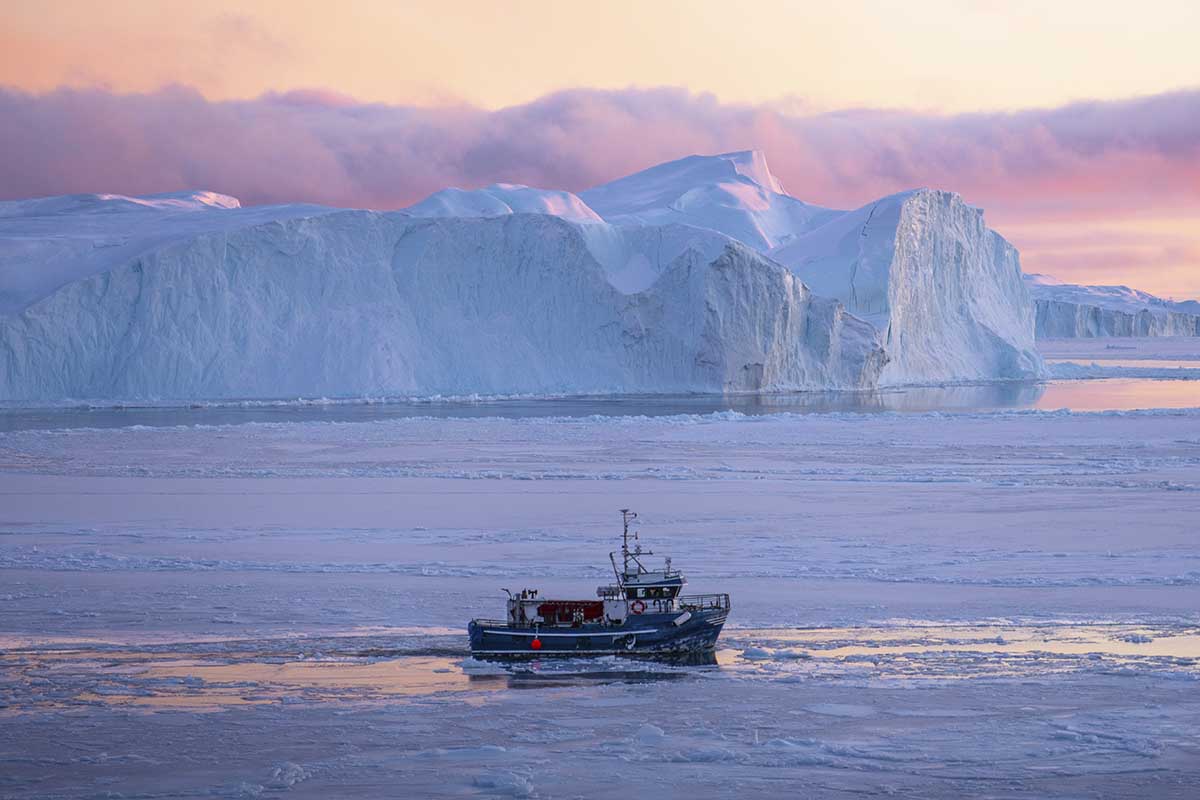
Roughly 80% of Greenland is covered in ice, creating dramatic fjords, massive glaciers, and icebergs drifting past coastal towns often far from cell towers, making it wise to avoid roaming charges when you travel by planning connectivity in advance.
This is the kind of place that naturally slows you down—no queues, no noise, no rush, just wide-open Arctic space and uninterrupted moments.
Why travelers come to Greenland:
Northern Lights visible for much of the year;
Humpback and minke whales surfacing just meters from boats;
Entire regions with no roads, traffic, or crowds;
A living Inuit culture where traditions are part of daily life.
Why Greenland Beckons in 2026
Greenland has always felt unreachable that’s changing in 2026.
New direct flights, upgraded airports, and carefully designed eco-lodges are making the island easier to access without turning it into another tourist hotspot.
At the same time, tourism growth is being managed with visitor caps and sustainability rules, protecting fragile Arctic ecosystems.
Climate change is reshaping the landscape, opening new hiking routes and coastal access points.
At the same time, smart technology makes travel easier, helping visitors navigate changing conditions and plan responsible, well-informed journeys.
What makes 2026 special:
Better access with fewer logistical headaches;
Protected natural sites like Ilulissat Icefjord;
Midnight sun with 24-hour daylight in summer;
Wildlife encounters that still feel wild, not staged.
Greenland isn’t for everyone—but for the right traveler, it’s unforgettable.
Top Destinations: Coasts and Settlements
Greenland’s towns and settlements aren’t just stops on a map—they shape how you experience the Arctic.
Each destination offers a different mix of culture, access, and remoteness, making your choice especially important.
✨Nuuk — Culture and comfort. With around 19,000 residents, Nuuk is Greenland’s colorful capital and main entry point.
It blends modern Arctic life with deep-rooted Inuit traditions.
Visit the National Museum of Greenland for cultural context;
Spot seals in the harbor and explore local cafés;
Try mattak (whale skin), a traditional Inuit delicacy;
Best for travelers who want culture without sacrificing comfort.
✨Ilulissat — Iconic ice landscapes. Located on Greenland’s west coast, Ilulissat sits beside one of the most active glacier systems on Earth, releasing around 10 billion tons of ice each year.
Boat tours among towering icebergs (from ~€100);
Kayaking close to drifting ice for an immersive experience;
Access to the UNESCO-listed Ilulissat Icefjord;
Ideal for first-time visitors seeking classic Arctic scenery.
✨East Greenland — Remote and dramatic. This region offers Greenland’s most isolated landscapes and smallest settlements.
Tasiilaq: Mountain-ringed town with helicopter access to Renland’s ice caves;
Kangerlussuaq: Major airport hub and starting point for ice-sheet treks and inland hikes;
✨Qaanaaq — High Arctic frontier. One of the northernmost towns in the world, Qaanaaq offers an experience few travelers ever reach.
Seasonal polar bear sightings (guided travel only)
Deep-rooted hunting and shamanic traditions
A true sense of life at the edge of the Arctic
Together, these destinations let travelers tailor their Greenland travel journey from accessible and cultural to profoundly remote while preserving the feeling of visiting one of the last true frontiers.
Practical Tips for Arctic Travel
✨Getting There: Air Greenland from Copenhagen (Kastrup) or Iceland (KEF). Nuuk flights ~€500 one-way.
Getting Around:
- Domestic flights (Air Greenland).
- Boats/ferries (Arctic Umiaq Line).
- Dogsleds/helicopters for backcountry (€200-500).
✨Connectivity: Reliable Greenland internet via local SIMs or Starlink hotspots ensures sharing photos from the ice edge.
✨Visa: Schengen rules apply; most get 90 days visa-free.
✨Ukraine citizens: ETIAS required from mid-2026 (€7).
Budget Breakdown (per person/day, high due to logistics):
| Category | Cost (DKK/€ equiv.) |
|---|---|
| Accommodation | 1,000-2,500 / €135-335 |
| Food | 400-800 / €55-110 |
| Transport | 500-1,500 / €70-200 |
| Activities | 500-2,000 / €70-270 |
✨Total: €330-915/day. Book packages for savings.
Best Time:
- Summer (June-Aug): Ice-free, wildlife peak.
- Winter (Feb-Apr): Northern Lights, dog-sledding.
✨Packing Essentials:
- Layered thermals, waterproof gear (Gore-Tex).
- Crampons, binoculars, dry bags.
- High-cal snacks; fresh produce scarce.
Food, Culture, and Safety
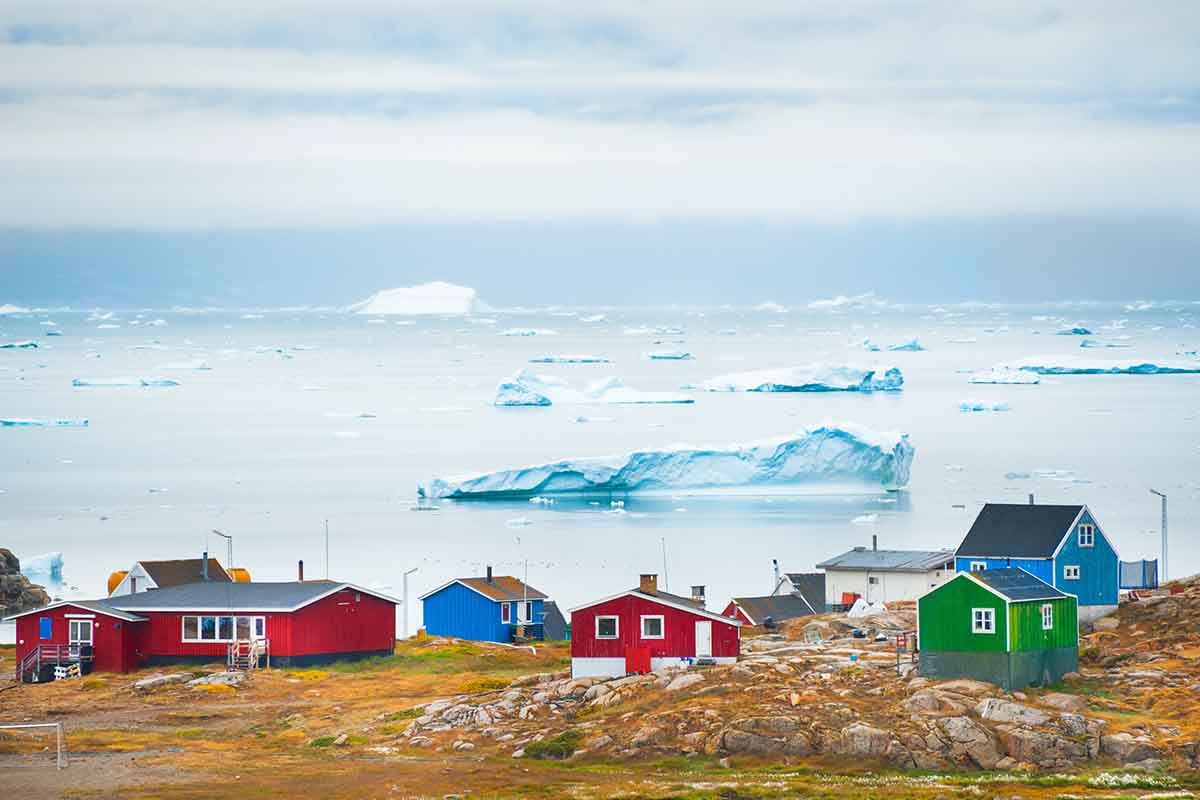
Traveling in Greenland is as much about respect and awareness as it is about scenery.
Knowing what to expect helps you feel confident—and welcomed—rather than unsure or out of place.
🍽️ Food: What You’ll Actually Eat
Greenlandic cuisine is shaped by climate and tradition. Meals are hearty, practical, and deeply local.
Seal stew and Arctic char are staples, often served in simple but filling preparations;
Reindeer dishes appear more often than beef or chicken;
Reindeer moss is used in traditional foods and teas;
In towns, cafés serve reliable coffee, pastries, and light meals, offering comfort between adventures.
✨Good to know: Imported food is expensive, so eating local is often cheaper—and more meaningful.
✨Cultural Etiquette: How to Travel Respectfully
Greenlanders are friendly but value privacy and respect.
Always ask before photographing people, especially in small settlements
Tipping is minimal—service charges are usually included
Learning a few local words goes a long way; even a simple “Qujanarmi” (thank you) is appreciated
Quiet observation is valued more than loud enthusiasm
✨Safety: What Travelers Worry About Most
Greenland is safe, but it demands preparation.
Polar bear safety is taken seriously—guided tours are mandatory in bear-prone regions;
Weather can change rapidly, even in summer; forecasts should be checked daily;
Follow local advice closely—conditions are Arctic, not forgiving;
Travel insurance and guided activities aren’t optional here; they’re essential.
Handled thoughtfully, Greenland feels not dangerous—but empowering.
The key is respecting the environment, the culture, and your limits.
Sustainable Arctic Exploration + Sample 10-Day Itinerary
Greenland’s environment is fragile, and your choices as a traveler genuinely matter.
Visiting responsibly doesn’t mean sacrificing experience—it often makes it richer.
How to explore Greenland sustainably:
Follow Leave No Trace principles — pack out everything, even biodegradable waste;
Choose Inuit-owned or locally operated tours to support communities directly;
Avoid excessive drone use, especially near wildlife, sled dogs, and settlements;
Stick to marked routes to prevent damage to tundra that can take decades to recover;
Travel with licensed guides in remote or wildlife-prone areas for safety and conservation.
Sample 10-Day Greenland Itinerary (Balanced & Realistic):
Days 1–2: Arrive in Nuuk — city walk, harbor views, National Museum;
Day 3: Fly to Ilulissat;
Days 4–6: Icefjord boat or kayak tour, optional heli-hike to Eqi Glacier;
Day 7: Fly to Kangerlussuaq;
Days 8–9: Guided inland tundra trek, glacier views, evening aurora hunting (seasonal;)
Day 10: Departure.
This pace avoids burnout, respects weather delays, and allows time to absorb the landscape rather than rush through it.
Greenland redefines adventure—not through extremes alone, but through scale, silence, and perspective.
Prepare carefully, travel responsibly, and you won’t just visit the Arctic—you’ll understand it.