How Smart Fleet Technology Is Making Heavy Trucks Safer Than Ever
✨Key Points
- Modern trucks aren’t isolated anymore—they’re digitally connected and constantly sharing safety data.
- Telematics and IoT sensors predict faults early, preventing breakdowns before they become road hazards.
- Smart tech supports mechanics, blending real-time data with hands-on expertise for safer fleets.
The image of the Australian truck driver has long been one of solitude.
We picture a lone operator navigating the vast expanse of the outback, relying on grit, experience, and mechanical intuition to conquer the tyranny of distance.
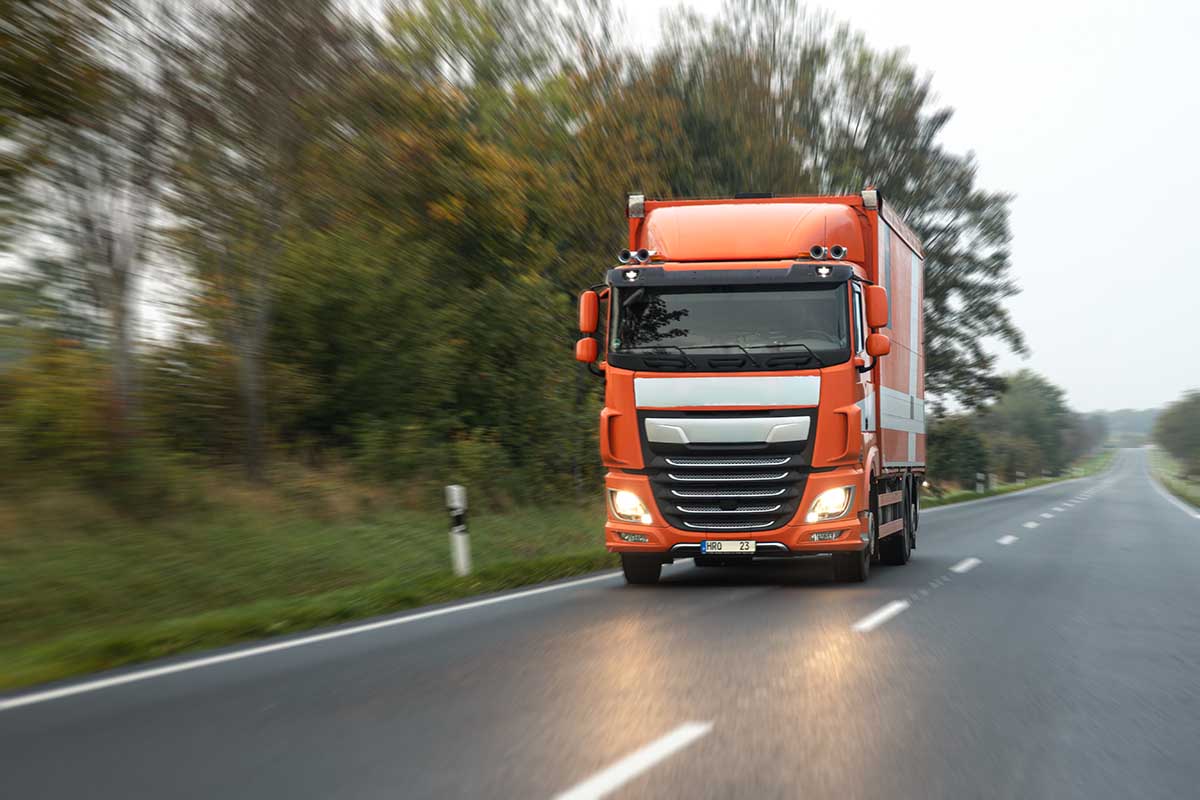
While that spirit of independence remains a core part of the industry’s DNA, the cabin of a modern prime mover looks vastly different today than it did twenty years ago.
The isolation of the open road is being replaced by constant digital connectivity.
We are currently witnessing the rise of the “connected fleet.”
Heavy haulage is undergoing a massive digital revolution where the mechanical beast is tamed by sophisticated software, Internet of Things (IoT) sensors, and real-time data analytics.
This shift is not just about improving efficiency or squeezing out better fuel economy; it is fundamentally redefining safety on our roads.
By understanding how telematics improves heavy vehicle safety, the transport industry is bridging the gap between heavy machinery and high-speed data, shifting from reactive repairs to a proactive culture focused on prevention and safer roads.
The Digital Pulse of the Modern Prime Mover
In the past, a mechanical fault was often only discovered when smoke started billowing from the bonnet or a strange noise interrupted the radio.
Those days are rapidly fading.
Today, heavy vehicles are equipped with a central nervous system of sensors that monitor everything from tyre pressure and brake temperature to engine performance and fuel injection timing.
This continuous stream of data creates a digital pulse for the vehicle, allowing for a level of oversight that was previously impossible.
This concept, known as telematics, allows fleet managers and drivers to see the health of the vehicle in real time.
Advanced algorithms can now predict component failures before they occur, shifting the focus from repair to prevention.
For instance, vibration sensors might detect an irregularity in a wheel bearing thousands of kilometres before it actually fails.
This predictive capability is a game-changer for road safety, ensuring that vehicles are pulled off the highway for maintenance before they become a hazard to other road users or the driver themselves.
However, technology has its limits.
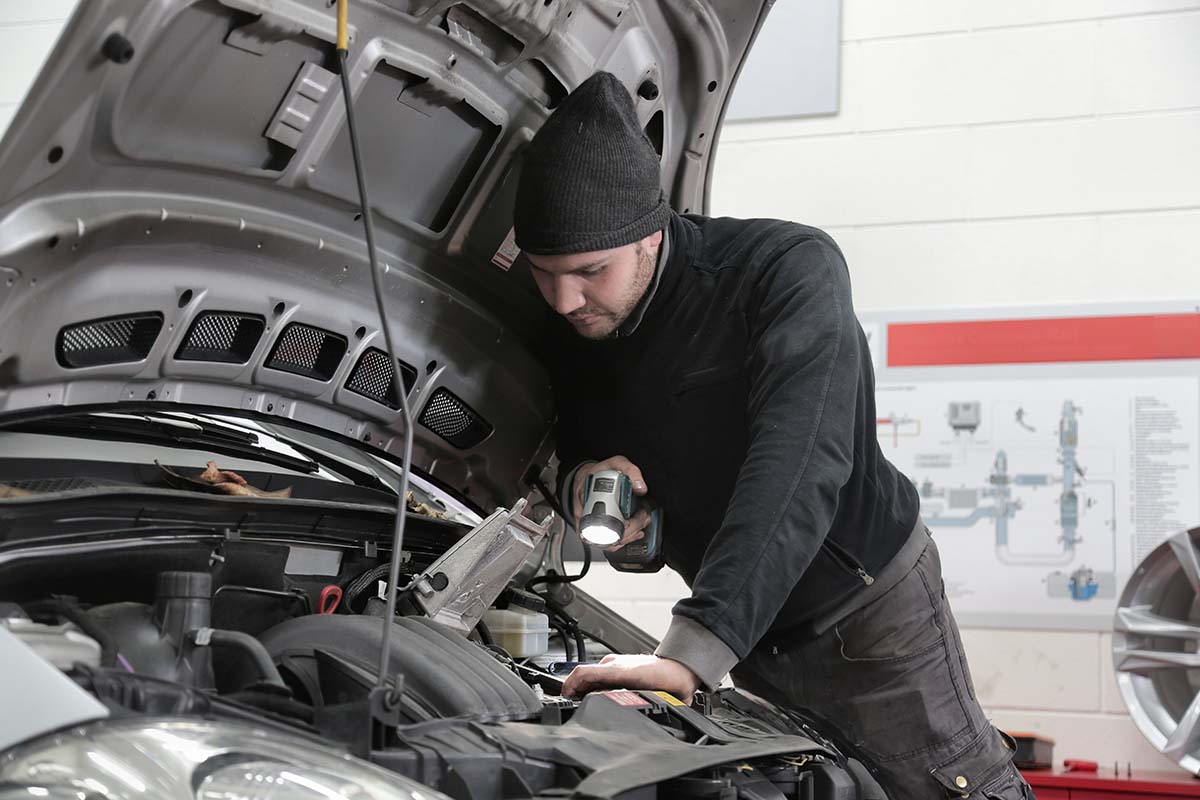
A dashboard alert can tell you that a cylinder is misfiring or that brake efficiency has dropped, but it cannot replace the hands-on expertise required to resolve the issue.
While telematics can predict engine faults with impressive accuracy, a skilled heavy vehicle mechanic is still required to interpret the data, diagnose the root cause, and perform the complex repairs necessary to get the rig back on the road safely.
The future of fleet maintenance lies in connected fleet technology for truck safety, where digital diagnostics work alongside skilled human craftsmanship to ensure nothing is left to chance.
Regulatory Standards Driving Innovation
The push for high-tech safety isn’t just coming from manufacturers; it is being driven by rigorous Australian standards.
The regulatory landscape has shifted significantly to place a “Primary Duty” of care on every party in the supply chain, from the scheduler to the driver.
This Chain of Responsibility (CoR) means that safety is a shared legal obligation, and technology plays a pivotal role in meeting these requirements.
Electronic Work Diaries (EWDs) are a prime example of this integration.
These devices ensure drivers are not exceeding their legal driving hours, significantly reducing fatigue-related accidents on long-haul routes.
Meanwhile, advanced stability control technology improves heavy vehicle safety by working with the braking system to prevent rollovers on sharp corners or during sudden evasive manoeuvres.
These systems do not just protect the asset; they protect lives.
This commitment to safety is codified in industry frameworks.
The 2026 Master Code, released by the National Heavy Vehicle Regulator (NHVR), serves as an authoritative source of information concerning safety in heavy vehicle transport.
It helps operators understand their responsibilities under the Heavy Vehicle National Law (HVNL) and encourages the adoption of risk-based safety management systems.
By integrating these standards with modern fleet technology, operators can prove they are taking every reasonable step to ensure the safety of their drivers and the public.
Asset Protection Beyond the Highway
Safety and security extend beyond the hours a truck spends on the highway.
A truly connected fleet management strategy must also consider what happens when the engine is turned off.
High-value heavy vehicles and the cargo they carry are significant assets, and their protection during downtime is just as critical as their operational safety.
Theft, vandalism, and environmental damage can all render a vehicle unroadworthy before the driver even turns the key.
Modern depots are implementing layered security measures that mirror the connectivity found inside the trucks.
This includes geofencing technology that alerts managers if a vehicle is moved without authorisation and 24/7 high-definition surveillance linked to cloud storage.
The approach to securing these massive machines often parallels the strategies used for other high-value automotive assets.
As discussed in recent articles on secure vehicle storage options, protecting fleets requires a comprehensive approach that combines physical barriers with advanced monitoring technology.
Whether it is a collector car or a B-double, preventing theft and tampering ensures the asset remains roadworthy and safe to operate when it is time to mobilise again.
The Human Element in an Automated Future
As we look toward a future populated by autonomous assist features and AI-driven logistics, it is easy to worry that the human element is being engineered out of the industry. The reality is quite the opposite.
The “connected fleet” requires a more skilled workforce than ever before.
The role of the driver and the technician is evolving, not disappearing.
Drivers today need to be part pilot, part computer operator.
They must interact with fatigue management systems that scan their eyes for signs of tiredness and lane-departure warnings that gently nudge the steering wheel.
Similarly, the maintenance crews supporting these fleets must understand software updates as intimately as they understand hydraulic pressure or diesel combustion.
To thrive in this new era, the heavy vehicle industry is prioritising a blend of skills:
- Data Literacy: Drivers and managers must understand how to interpret the dashboard analytics to make informed safety decisions on the fly.
- Adaptive Mechanical Skills: Technicians are learning to service hybrid and electric powertrains, which present different safety risks (such as high-voltage systems) compared to traditional diesel engines.
- Regulatory Awareness: All staff must stay current with evolving codes of practice, ensuring that the technology they use complies with Australian safety laws.
The heavy vehicle sector is not just upgrading its hardware; it is upgrading its mindset.
By embracing connectivity, the industry is creating a safety net that spans the entire continent.
It ensures that whether a truck is crossing the Nullarbor or navigating inner-city traffic, it is supported by a stream of data and a network of professionals dedicated to getting it home safely.
The truck of the future is here, and it is safer, smarter, and more connected than ever.