
Signs Your Mini Split Needs Maintenance Before It Breaks Down
✨Key Points
- Mini splits give early warning signs, spotting them early saves money and stress.
- Regular maintenance can boost efficiency by up to 20% and extend system life.
- Signs like weak airflow, noise, or leaks mean it’s time for a tune-up.
Mini split systems are known for their efficiency, quiet operation, and zoned comfort, but like any HVAC system, they need regular care to perform at their best.
The tricky part is knowing when your system is asking for attention.
Here’s the reality: mini splits rarely fail overnight.
They usually show small warning signs first, and catching those early can save you from higher energy bills, poor cooling, or expensive repairs.
In fact, studies show that well-maintained HVAC systems can run up to 15–20% more efficiently and last several years longer than neglected ones.
So what should you look for?
- Weak airflow or uneven cooling between rooms;
- A sudden increase in energy bills without clear reason;
- Strange noises like buzzing, grinding, or rattling;
- Musty or unpleasant odors coming from the unit;
- Water leaks or excess moisture around the system;
- Slower response when adjusting temperature settings.
Ignoring these signs can lead to bigger problems, including reduced system lifespan, poor indoor air quality, and higher repair costs.
A professional tune-up helps keep everything running efficiently, improves comfort, and prevents breakdowns, especially when you start noticing signs your mini split needs maintenance.
Weak Airflow or Uneven Cooling
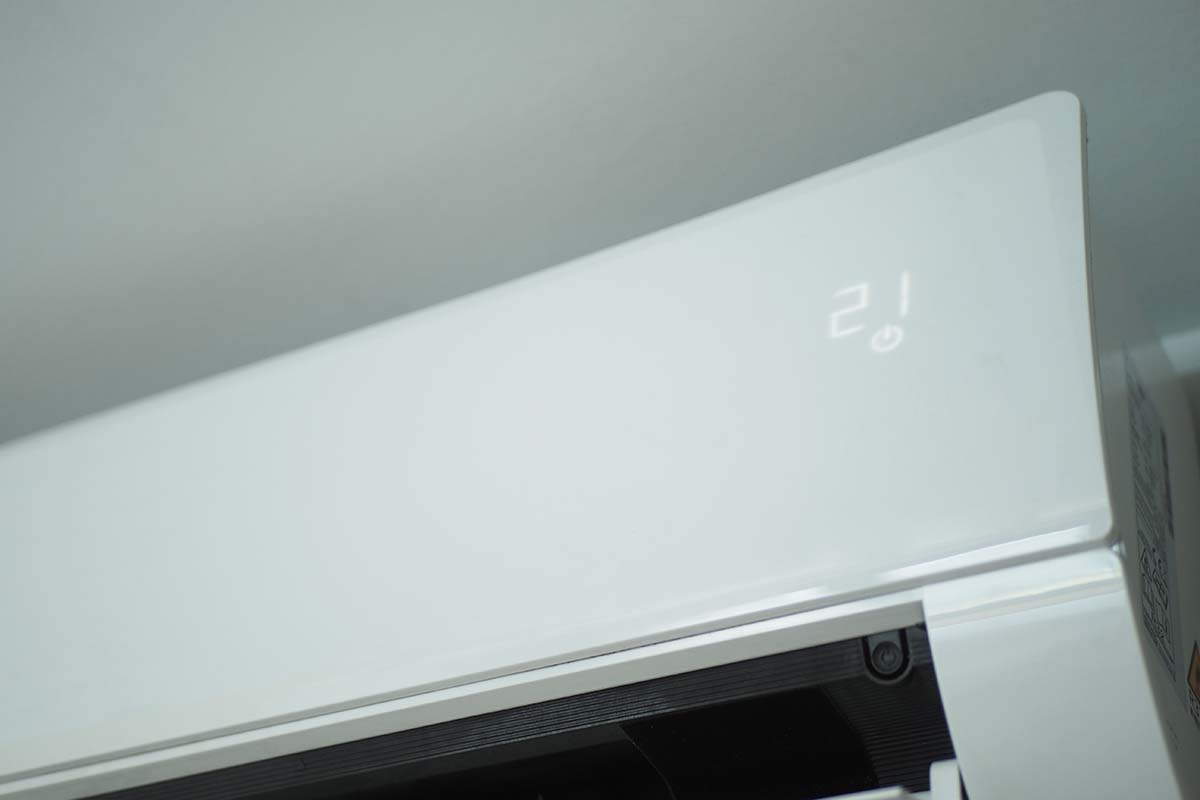
If your mini split isn’t pushing air as strongly as it used to, or certain rooms feel warmer than others, something’s off.
Common causes include:
- Clogged air filters;
- Dust buildup on coils;
- Blocked indoor or outdoor units.
A professional tune-up helps keep everything running efficiently, improves comfort, and prevents breakdowns, especially when you start noticing signs your mini split needs maintenance.
What this really means is your system is working harder than it should.
Over time, that extra strain reduces efficiency and can shorten the lifespan of your unit.
Strange Noises During Operation
Mini splits are designed to run quietly.
So if you start hearing rattling, buzzing, or grinding noises, it’s a sign that internal components may be loose or worn out.
Typical issues behind unusual sounds:
- Fan motor problems;
- Loose parts inside the unit;
- Debris stuck in the system;
Ignoring these noises can turn a small fix into a major repair.
Rising Energy Bills Without Explanation
A sudden spike in your electricity bill is often one of the earliest red flags.
If your usage habits haven’t changed, your mini split could be losing efficiency due to:
- Dirty coils;
- Refrigerant imbalances;
- Sensor issues.
At this point, it’s worth considering a professional mini split tune up in Three Forks, MT to restore efficiency and prevent further energy waste.
Unpleasant Odors from the Unit
If your system starts producing musty or foul smells, it’s usually due to moisture buildup inside the unit.
This can lead to:
- Mold or mildew growth;
- Bacteria inside the drain line;
- Dirty filters;
Beyond comfort, this directly affects indoor air quality, something most homeowners overlook until it becomes noticeable.
Frequent Cycling or Constant Running
Does your mini split turn on and off too often?
Or worse, does it run non-stop without reaching the desired temperature?
Both scenarios signal inefficiency.
Possible reasons include:
- Incorrect thermostat settings;
- Dirty components;
- System sizing issues;
A properly tuned system should maintain a steady cycle, not struggle to keep up.
Water Leaks or Moisture Around the Unit
Mini splits naturally produce condensation, but that water should drain properly.
If you notice pooling water or leaks, there’s likely a blockage or drainage issue.
Common causes:
- Clogged condensate drain line;
- Frozen evaporator coils;
- Installation issues;
Left unchecked, this can lead to water damage and mold growth in your home.
Reduced Cooling or Heating Performance
When your mini split can’t maintain the temperature you set, it’s a clear sign something needs attention.
This could be due to:
- Low refrigerant levels;
- Dirty coils;
- Failing components;
What this really means is your system is no longer operating at peak performance, and it won’t fix itself.
Conclusion
Mini split systems are reliable, but they’re not maintenance-free.
Small issues like weak airflow, strange noises, or higher energy bills are early signals that your system needs a tune-up.
The good news is that most of these problems are preventable with regular servicing.
Staying proactive not only improves comfort but also extends the life of your system and keeps your energy costs in check.
If your mini split is showing any of these signs, it’s a smart move to address them early before they turn into bigger, more expensive problems.