How to Secure Sliding Glass Doors: 7 Smart Ways to Protect Your Home
✨ Key Points
- Reinforce weak points by upgrading to laminated glass, security film, and stronger locking systems.
- Prevent forced entry with anti-lift devices, security bars, and reinforced door tracks.
- Add smart protection using security cameras, motion sensors, and alarm systems for real-time monitoring.
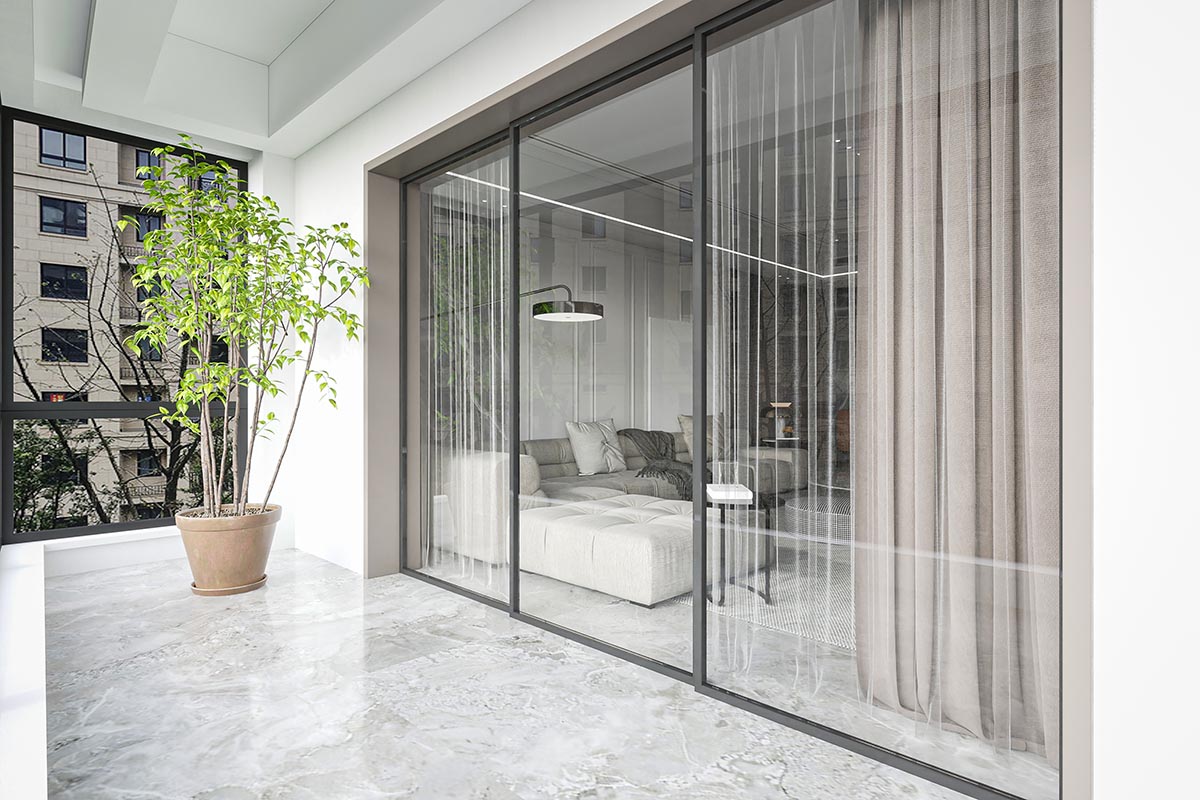
Sliding glass doors bring natural beauty and openness to a home, connecting indoor spaces to patios and gardens with style and ease.
However, this convenience can become a security risk if proper precautions are ignored.
Many homeowners are unaware of specific vulnerabilities that can make these doors attractive to intruders.
By understanding the risks and taking proactive steps, you can transform this entryway into a fortified feature that enhances both comfort and safety.
For more details on effective strategies for improving sliding glass door security, start with a solid foundation of proven methods.
Addressing sliding glass door security requires a targeted approach since their design makes them more susceptible to forced entry.
Unlike traditional doors, they rely on large glass panels and tracks that can be manipulated if unprotected.
It is essential to identify these weaknesses early and put the right measures in place to deter potential break-ins.
Homeowners who take the time to understand how to secure sliding glass doors through stronger locks, reinforced glass, and other protective measures often enjoy greater peace of mind while maintaining the benefits of open views and easy access.
Common Vulnerabilities of Sliding Glass Doors
Traditional sliding glass doors often use weaker locks and rely on lightweight, single-pane glass.
The large glass sections, while visually appealing, can easily be shattered or removed from their tracks if not properly reinforced.
These are some of the most common vulnerabilities homeowners should understand when learning how to secure sliding glass doors effectively.
In many cases, the factory-installed latch can be manipulated with a simple tool, enabling quick entry for someone intent on breaking in.
It is important to recognize that these vulnerabilities are not unique to older doors; many new models also require additional attention to ensure adequate home protection.
Aside from weak locks, the door track itself can present a straightforward target.
Intruders may exploit loose tracks or gaps, using manipulation techniques to lift or slide the door open, even if it is locked.
The visibility offered by expansive glass also makes it easier for outsiders to assess which entry points are least exposed or monitored.
Therefore, regular inspection and targeted improvements are crucial steps in how to secure sliding glass doors and close these common security gaps.
Reinforcing the Glass

Upgrading the glass is one of the most effective ways to strengthen sliding doors against break-in attempts.
Standard tempered glass shatters under force, offering minimal resistance.
Switching to laminated glass, which consists of multiple glass layers with interlayers that hold the pane together when struck, can thwart attempts to shatter the entire glass slab.
For homes where glass replacement may not be practical, security window films provide a lower-cost measure that dramatically increases the time and effort required to break through the surface.
Security films and laminated glass are both designed to keep the glass intact whenever possible, even if the surface is compromised.
This improves security not only against potential burglars but also against accidental impacts and severe weather.
Many homeowners find that adding film is a fast, effective upgrade, one that is outmatched only by complete glass replacement.
For further insight into structural safety enhancements, resources from authorities such as the Federal Bureau of Investigation can help understand burglary trends and prevention.
Upgrading Locking Mechanisms
Most sliding glass doors are supplied with simple latches that offer little resistance to prying or forced entry.
To address this, install a deadbolt-style lock specifically designed for sliding doors.
These locks grip into the frame, making it much more difficult for anyone to slide or lift the door out of place.
For additional security, a multi-point locking system secures the door at several places along the track, distributing force and requiring more effort to break.
If you are replacing existing doors, it is worth researching tips to help you choose the right doors for home, paying close attention to built-in security features such as reinforced frames, impact-resistant glass, and advanced locking systems.
Choosing a secure door from the start can reduce the need for extensive upgrades later.
When considering a locking upgrade, ensure that any hardware added to the frame or track is high-quality and professionally installed.
Poorly fitted locks can introduce new weaknesses, so adherence to manufacturer recommendations and expert installation is key.
Many insurance companies now encourage, or even require, upgraded locks as part of comprehensive home security strategies, which can also lead to discounts on home insurance premiums.
Securing the Door Track
Another common issue lies with the door track itself.
If intruders can lift the door out of its track, even strong locks will not prevent entry.
To solve this, install anti-lift devices along the track or use security bars that rest securely between the door and the wall.
These devices physically block the door from moving when locked in place, making it nearly impossible to bypass without considerable noise or time.
Homeowners can also consider replacing worn tracks or adding reinforcement plates for long-term peace of mind.
Maintaining a clean, debris-free track is essential.
Obstructions or damage can make the door easier to manipulate or lift.
Simple solutions, such as wooden or metal bars placed inside the track, when properly sized, can be an effective stopgap if more robust solutions are not immediately available.
Regular inspection ensures that all parts are secure and in good working condition.
Installing Security Sensors and Cameras
Integrating smart technology into sliding glass door security elevates both convenience and protection.
Place contact sensors on the door frame that trigger alerts if the door is opened unexpectedly.
Paired with a home alarm system, these sensors give immediate feedback and allow quick action.
To further deter intruders, install visible security cameras that capture footage of anyone approaching or tampering with the door.
Modern door cameras and sensors often include advanced features such as night vision, motion detection, and remote monitoring through a phone or computer.
For practical guidance on selecting and installing these devices, refer to Consumer Reports’ resources, which regularly review home security tech.
Maintaining Visibility and Privacy
One facet of sliding glass doors, both a strength and a weakness, is visibility.
While natural light is beneficial, the clear view into a home can be an invitation to opportunistic thieves.
To maintain privacy, consider installing window treatments such as vertical blinds, sheer curtains, or specially designed privacy films.
These solutions let in natural light while making it harder for outsiders to see the home’s interior.
Many privacy enhancement methods can be seamlessly integrated with aesthetic preferences.
For instance, frosted or decorative glass films maintain a stylish appearance and serve as an additional deterrent.
Periodic reassessment of window treatments ensures privacy, comfort, and curb appeal remain balanced, providing comprehensive coverage year-round.
Professional Assessment and Installation
Some security improvements are best left to experienced professionals, especially when structural changes to glass or locking systems are required.
Security specialists can assess the specific design and placement of your sliding glass doors and provide recommendations for hardware upgrades, sensor integration, and custom deterrents.
Professional installation also ensures compliance with manufacturers’ guidelines, preserving warranties and maximizing the benefits of each upgrade.
Expert consultations help homeowners keep pace with new developments in home security technology.
With regular updates and ongoing maintenance, sliding glass doors can remain a safe, resilient entry point rather than a potential liability.
Conclusion
Sliding glass doors can be both functional and secure when supported by the right security measures.
By addressing common vulnerabilities, reinforcing components, and adopting smart technology, homeowners can enjoy all the benefits of these doors without the risks.
Take the time to implement these strategies, and reinforce your home’s safety for years to come.