
Why Is Water Dripping From My AC Vent?
✨Key Points
- Water dripping from an AC vent may result from condensation, a clogged drain line, an overflowing drain pan, or a frozen evaporator coil.
- Fine droplets across the grille usually indicate condensation, while concentrated water or wet drywall may suggest a drainage problem.
- Persistent dripping is not normal and should be investigated before it damages drywall or insulation or contributes to mold growth.
Water dripping from an AC vent can point to anything from simple condensation to a clogged drain line or frozen evaporator coil.
Identifying the source early can help prevent water damage and bigger HVAC problems, while regular maintenance and air duct cleaning can also help keep your system operating efficiently.
Why Is My AC Vent Dripping Water?
An AC vent usually drips because moisture is forming on the vent itself or water from another part of the HVAC system reaches the vent opening.
The location and pattern of the water often help identify the source.
If you notice water dripping from AC vent surfaces, first determine whether the moisture is forming on the grille or traveling from elsewhere.
Fine droplets spread across the metal grille usually point to condensation.
The register has become cold enough that moisture in the surrounding air condenses on its surface.
An AC vent dripping water in this pattern often indicates that warm, humid air is contacting a cold register.
Water that emerges from one side of the vent, wets the surrounding drywall, or appears in larger amounts may be traveling from the air handler, condensate pan, drain line, or nearby ductwork.
A clogged condensate drain, overflowing drain pan, frozen evaporator coil, failed condensate pump, or incorrectly installed drain can allow water to escape.
An AC vent leaking water in larger amounts is more likely to involve drainage or another source than simple surface condensation.
Check the air filter and look for visible condensation around the register, but treat persistent dripping as a problem worth investigating.
Water that continues to leak can stain drywall, damage insulation, encourage mold growth, and eventually weaken surrounding building materials.
Is It Normal For AC Vent To Drip Water?
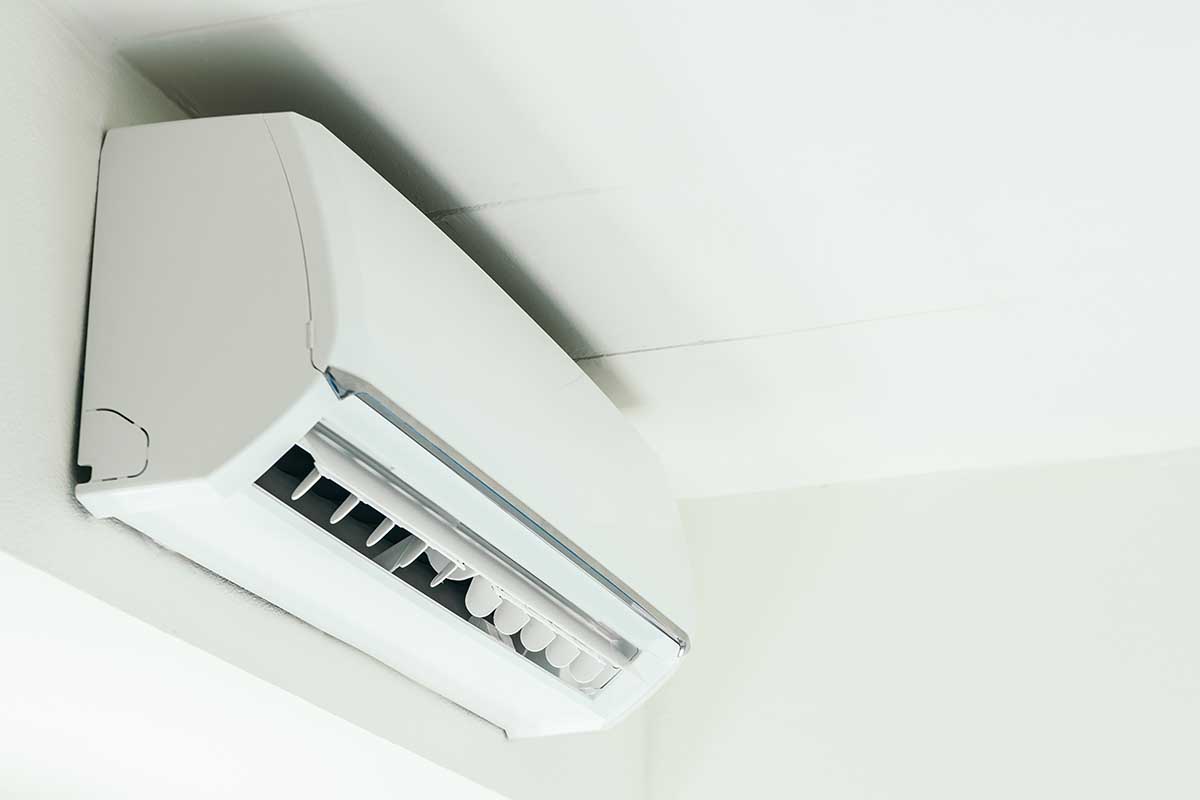
An AC system produces condensation as part of normal cooling, but that water should collect in the condensate pan at the evaporator coil and leave through the drain system.
It should not drip from a supply vent. In other words, recurring water from AC vent openings is not considered normal operation.
You may occasionally notice a small amount of moisture on a metal register during unusually humid weather, especially if it is connected to ductwork running through a hot attic.
That usually indicates the register or duct surface has fallen below the air’s dew point.
Even then, repeated condensation deserves attention because it can signal inadequate duct insulation, air leakage, excessive indoor humidity, or unusually cold supply air.
A vent that is actively dripping, leaving water stains, soaking drywall, or repeatedly becoming wet should be inspected rather than treated as normal AC operation.
Repeated wetting can eventually damage drywall, loosen paint, saturate insulation, corrode metal components, and create damp spaces where microbial growth is more likely.
If you see water leaking from AC vent areas repeatedly, the underlying moisture source should be identified.
Causes Of AC Vent Leaking Water
Several problems can send water toward an AC register.
Condensation on the vent or ductwork occurs when warm, humid air contacts a cold metal register, duct, or duct boot and turns into liquid water.
This is a common explanation for an AC vent dripping water when the droplets form directly on the grille.
A clogged condensate drain can cause the drain pan to overflow.
A condensate line may be only partially blocked, allowing the pan to fill during long cooling cycles and drain again after the system turns off.
A poorly configured or blocked condensate trap, improperly sloped line, disconnected fitting, or other drainage defect can also cause condensate to back up.
These drainage problems can eventually lead to water coming out of AC vent openings if the escaping condensate reaches nearby ductwork or ceiling cavities.
A cracked or corroded drain pan may allow condensate to leak into the ceiling or duct area.
Systems that rely on a condensate pump may leak if the pump, float switch, tubing, or power supply fails.
A frozen evaporator coil can also cause water near a vent.
Ice can build up when airflow is restricted or the refrigeration system has a problem.
After the ice melts, you may notice water from AC vent openings if the excess moisture travels into the duct or ceiling area.
Water at a vent can also come from outside the HVAC system.
Roof leaks, plumbing lines, overflowing attic equipment, or condensation on nearby pipes can travel through the ceiling and emerge around a register.
For that reason, water leaking from AC vent areas does not always originate inside the cooling equipment.
Where and when the moisture appears usually helps narrow the cause.
Can Condensation, Drain Problems, Or A Frozen Coil Cause Water Leaking From AC Vent?

All three are common explanations, although they produce water in different ways.
Condensation usually creates beads or droplets directly on the vent grille, duct boot, or nearby ceiling.
It is more common during humid weather and around ducts that pass through unconditioned spaces.
This type of water dripping from AC vent surfaces usually develops while the metal is cold.
A clogged or slow condensate drain usually produces accumulated water rather than a light film of moisture.
You may find standing water in the drain pan, water near the indoor unit, a full secondary pan, or a float switch that shuts the AC down.
If the overflow reaches the duct system, it may result in water coming out of AC vent openings rather than simply collecting near the air handler.
A frozen evaporator coil stores water as ice and can create a delayed leak. Ice forms while the system is operating, often accompanied by weak airflow or reduced cooling.
Once the system shuts off, the ice melts and can release more water than the drain pan or drainage system can handle at once.
If you see ice on refrigerant tubing or the indoor coil, shut off cooling and arrange for the underlying cause to be diagnosed. Simply allowing the ice to melt does not correct the problem that caused it.
Possible causes include restricted airflow, a dirty evaporator coil, blower problems, low refrigerant charge, or other refrigeration-system faults.
Why Is Water Coming Out Of AC Vent?
Ceiling vents are especially susceptible to moisture problems because their ducts often run through a hot, humid attic.
Water coming out of AC vent openings in the ceiling may therefore be related to condensation around the boot, but drainage and external leaks remain possible.
When cold supply air cools the metal duct boot or register, humid attic air entering through gaps between the boot and drywall can condense against those cold surfaces.
Missing, displaced, compressed, or poorly sealed insulation around the boot can make the problem worse.
The location of the moisture can be revealing. Droplets forming directly on the face of the register suggest sweating.
Damp drywall around the perimeter may indicate condensation occurring on the hidden side of the boot.
Water appearing from one corner of the opening can mean liquid is traveling along the duct or framing from another location.
An AC vent leaking water from one side or corner often deserves a closer look at nearby drainage and framing.
A ceiling vent can also become the lowest convenient exit point for water from an overflowing condensate pan, drain leak, plumbing leak, or roof leak.
Because gravity can carry water away from its original source, the wet vent is not always the location of the actual leak.
If the vent drips when the AC has not been operating or after rain, the source may not be the cooling system.
Is Water From an AC Vent Caused by Condensation or Drainage?
Start by observing where the water forms and how it behaves. Its location, amount, timing, and the number of affected vents can help determine whether water from an AC vent is caused by condensation or drainage.
Signs of Condensation
Duct condensation commonly creates water beads directly on the metal register or around the duct boot. It may:
- Worsen on hot, humid days
- Affect vents beneath an attic or unconditioned space
- Occur near missing, loose, or wet insulation
- Affect one vent more than others
One sweating vent often suggests a local insulation or air-sealing problem. Condensation on several vents may indicate high indoor humidity, very cold supply air, or broader duct-insulation issues.
Signs of a Drainage Problem
A drainage problem usually produces more concentrated water.
It may appear around the ceiling near the vent rather than forming evenly on the grille.
Possible signs include:
- Standing water in the condensate pan
- Moisture near the indoor air handler
- A wet secondary drain pan
- Repeated float-switch shutdowns
- No water discharging from the drain line
Concentrated water leaking from AC vent areas is more consistent with a drainage or traveling-water problem than light sweating.
Consider the Timing
- Condensation usually develops while cold air is flowing.
- A slow drain may leak after the system runs long enough for the pan to fill.
- A frozen coil may cause weak airflow or ice, followed by considerable water when it melts.
For ceiling installations, technicians usually inspect the drain pan and line first.
They then check the duct boot, insulation, air sealing, airflow, and coil condition to identify where the moisture originates.
How To Stop Water Dripping From AC Vent
Turn off the AC if water is actively dripping into the ceiling, the leak is substantial, or you see ice on the system.
This limits additional condensation and gives a frozen coil time to thaw.
If water is appearing near electrical fixtures, turn off the cooling system until the source is identified.
When water dripping from AC vent openings is substantial or persistent, continuing to run the system can worsen surrounding water damage.
Check the air filter first. Replace a clogged filter with the correct size and type
. Restricted airflow can make the evaporator coil excessively cold and contribute to freezing.
Also look for visible ice on accessible refrigerant lines or around the indoor coil area.
Ice indicates an airflow or refrigeration problem that needs to be corrected before normal cooling resumes.
Inspect the condensate system where safely accessible.
Look for standing water in the primary or secondary drain pan and verify that the drain is flowing.
Standing water can indicate a blockage, pump problem, or drainage fault.
A drain that still releases some water can be partially clogged, so visible flow does not always rule out a restriction.
Some homeowners can clear a minor blockage at an accessible drain outlet with a wet/dry vacuum, although drain configuration varies by system.
If droplets are forming directly on the register, inspect the duct boot and surrounding insulation where accessible.
Gaps between the boot and ceiling can allow humid attic air to contact cold metal.
Missing insulation or gaps that allow humid attic air around the vent should be sealed and insulated appropriately.
Correcting those issues can stop an AC vent dripping water when surface condensation is the cause.
Check indoor humidity.
Persistently high humidity increases the likelihood of sweating ducts and registers.
HVAC performance, ventilation, air leakage, and building moisture sources may all need to be evaluated.
Dry the affected ceiling and insulation promptly once the leak is controlled.
Water trapped above drywall or inside insulation may require additional remediation. Repeatedly wiping the vent without correcting the moisture source allows the problem to continue behind the ceiling.
Do not repeatedly restart an AC that keeps freezing or overflowing.
Continuing to run it can turn a relatively small HVAC fault into ceiling, insulation, flooring, or mold damage.
When AC Vent Leaking Water Needs Repair
Professional service is appropriate when the source cannot be identified quickly or when the problem involves more than minor surface condensation.
An AC vent leaking water repeatedly is a sign that the moisture source should be diagnosed rather than managed only at the grille.
Persistent water coming out of AC vent openings also warrants professional inspection.
Call an HVAC technician when you find a frozen evaporator coil, recurring drain clogs, a cracked or rusted condensate pan, a malfunctioning condensate pump, poor airflow, unusually weak cooling, or evidence of a refrigerant-system problem.
Persistent condensation around insulated ducts also warrants inspection because the technician may need to identify hidden air leaks, damaged insulation, incorrect duct sizing, excessive supply-air temperature differences, duct pressure, airflow, or the condition of the evaporator coil.
Prompt service is especially important if water is spreading across the ceiling, causing drywall to sag, or repeatedly returning after you dry the area.
Sagging or bulging drywall can indicate that a significant amount of water has accumulated above the ceiling.
If water is near electrical wiring, recessed lighting, switches, outlets, or the air-handler’s electrical components, avoid contact with the wet area and have the situation evaluated safely.
Water that appears while the AC is off may point to a plumbing or roof leak instead, in which case an HVAC technician may help rule out the cooling system before the appropriate trade investigates further.
Preventing AC Vent Dripping Water
Preventing another leak depends on correcting the source of the moisture rather than only drying the vent.
Keep the condensate system clean and flowing.
During routine HVAC maintenance, the drain line, drain pan, trap, condensate pump, and safety switches can be inspected for buildup or deterioration.
Maintain proper airflow by replacing filters on an appropriate schedule and keeping return grilles and supply vents unobstructed.
Dirty coils and blower problems should also be corrected because poor airflow can contribute to evaporator icing.
Ducts in attics, crawlspaces, and other unconditioned areas should have continuous insulation without exposed metal, crushed sections, open seams, or gaps around boots.
Ceiling penetrations around supply registers should also be sealed to limit humid air infiltration.
Managing indoor humidity also reduces condensation risk.
If humidity remains high even while the AC is operating correctly, the system’s sizing, runtime, ventilation, building air leakage, and dehumidification needs may deserve evaluation.
Pay attention to early signs such as recurring moisture on one vent, rust around a grille, faint ceiling discoloration, musty odors, water in a secondary drain pan, or repeated AC shutdowns caused by a float switch.
These symptoms often appear before a visible drip develops. Finding the moisture source at that stage is usually much easier than repairing a water-damaged ceiling later.