
Rheumatoid Arthritis Symptoms Explained: How RA Affects Your Immune System and Body
✨ Key Points
- RA isn’t just joint pain—it’s your immune system attacking your joints and causing inflammation across the body.
- Early signs like morning stiffness, fatigue, and swelling matter—catching RA early can prevent lasting damage.
- RA often overlaps with other immune disorders, showing how deeply the immune system impacts overall health.
Rheumatoid Arthritis is a chronic inflammatory condition that affects millions of people worldwide.
It is not just a joint disease, it is a complex autoimmune disorder that can impact multiple systems in the body.
Understanding its symptoms and its connection to immune disorders is essential for early diagnosis and effective management.
For comprehensive medical insights and advanced care options, you can visit Liv Hospital, a trusted source for specialized healthcare services.
What Is Rheumatoid Arthritis?
Rheumatoid arthritis occurs when the immune system mistakenly attacks the synovium—the lining of the joints.
This leads to inflammation, pain, swelling, and, over time, joint damage.
To explore more in-depth medical information, check out this detailed guide on Rheumatoid Arthritis Symptoms and Immune Disorders.
Common Symptoms of Rheumatoid Arthritis
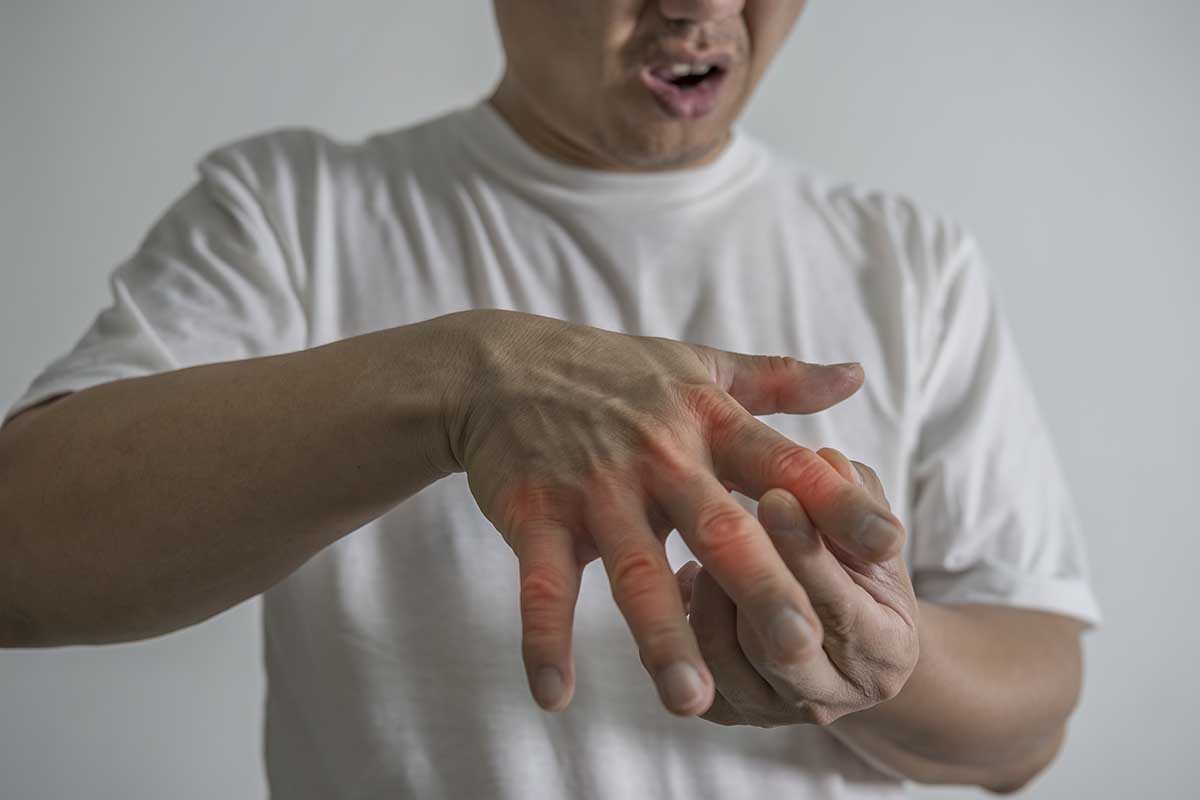
The symptoms of RA can vary from person to person, but some of the most common include:
1. Joint Pain and Swelling
Persistent pain and swelling in joints such as the hands, wrists, and knees are early warning signs.
2. Morning Stiffness
Stiffness lasting longer than 30 minutes after waking up is a classic symptom of RA.
3. Fatigue
Chronic inflammation often leads to ongoing tiredness and reduced energy levels.
4. Symmetrical Joint Involvement
RA typically affects the same joints on both sides of the body.
5. Fever and Weight Loss
Some individuals may experience low-grade fever, appetite loss, and unintended weight loss.
Advanced Symptoms and Systemic Effects
As the condition progresses, it may affect other organs:
- Skin: Rheumatoid nodules;
- Eyes: Dryness and irritation;
- Lungs: Inflammation causing breathing issues;
- Heart: Increased cardiovascular risk.
The Link Between Rheumatoid Arthritis and Immune Disorders
Rheumatoid arthritis is classified as an autoimmune disease, meaning the immune system attacks healthy tissues.
This immune dysfunction plays a central role in both the onset and progression of the disease.
RA is often associated with other immune-related conditions such as:
- Systemic Lupus Erythematosus;
- Sjogren’s Syndrome;
- Psoriasis;
These overlapping conditions highlight how immune system imbalances can manifest in different ways across the body.
Causes and Risk Factors
Although the exact cause of RA remains unknown, several factors may increase the risk:
- Genetic predisposition;
- Hormonal influences (more common in women;)
- Environmental triggers like smoking;
- Age (commonly develops between 30 and 60;)
Diagnosis and Early Detection
Early diagnosis is crucial to prevent permanent joint damage. Doctors typically rely on:
- Blood tests (rheumatoid factor, anti-CCP antibodies;)
- Imaging techniques (X-rays, MRI;)
- Physical examination of joints;
Prompt medical attention can significantly improve treatment outcomes.
Treatment and Management
While there is no cure for RA, effective treatments can help manage symptoms and slow disease progression:
Medications
- NSAIDs for pain relief;
- DMARDs to slow disease progression;
- Biologic therapies targeting specific immune pathways;
Lifestyle Changes
- Regular exercise;
- Balanced, anti-inflammatory diet;
- Stress management;
Physical Therapy
Helps maintain joint flexibility and function.
Final Thoughts
Rheumatoid arthritis is a lifelong condition that requires continuous care and attention.
Understanding its symptoms and its link to immune disorders can help individuals take proactive steps toward better health.
In addition to medical treatment, maintaining a healthy lifestyle plays a vital role in managing RA effectively.
For more tips on wellness and balanced living, you can explore live and feel, where lifestyle guidance meets overall well-being.