Must-Have Tools for Detecting and Preventing Household Water Damage
✨ Key Points
- Early leak detection tools help homeowners prevent expensive structural water damage.
- Bathrooms, balconies, laundries, and wet areas require regular inspections and maintenance.
- Professional bathroom leakage repair may be necessary when moisture problems become persistent or hidden beneath surfaces.
Water damage is one of the most expensive and overlooked problems homeowners face.
A small drip under the sink or a faint ceiling stain may not seem urgent at first, but hidden moisture can quickly lead to mold growth, damaged flooring, weakened walls, and costly structural repairs.
The biggest challenge is that many leaks develop slowly behind walls, under tiles, or around aging seals, making them difficult to spot until the damage becomes serious.
That is why regular inspections and the right home maintenance tools are so important. Catching moisture problems early can help homeowners:
- Prevent expensive structural repairs;
- Avoid mold and indoor air quality issues;
- Protect flooring, walls, and ceilings from long-term damage;
- Reduce emergency plumbing and restoration costs;
- Extend the lifespan of bathrooms, kitchens, and wet areas.
A reliable water damage prevention toolkit often includes:
- Moisture meters for detecting hidden dampness;
- Flashlights for inspecting under sinks and tight spaces;
- Silicone and grout inspection tools;
- Leak detectors near appliances and pipes;
- Routine waterproofing and drainage checks.
Recognising High-Risk Zones in Your Property
Certain areas of your property are naturally more vulnerable to moisture intrusion than others.
Wet areas such as laundries, balconies, and showers bear the brunt of daily water exposure and require frequent monitoring.
Over time, grout lines crack due to building movement, silicone seals degrade, and underlying waterproofing membranes can ultimately fail.
Furthermore, outdoor areas are exposed to extreme weather conditions, accelerating the wear and tear on their protective coatings.
When dealing with complex areas that experience constant water flow, knowing the limits of your DIY toolkit is crucial.
If you notice persistent dampness, lifting tiles, or pooling water that does not drain properly, seeking professional bathroom leakage repair is often the safest route.
Specialists can restore the underlying structural integrity, often without having to rip up all your tiles.
For everyday monitoring and catching those initial warning signs, however, having the right gear on hand is your absolute best line of defence.
The Hidden Health Risks of Lingering Moisture
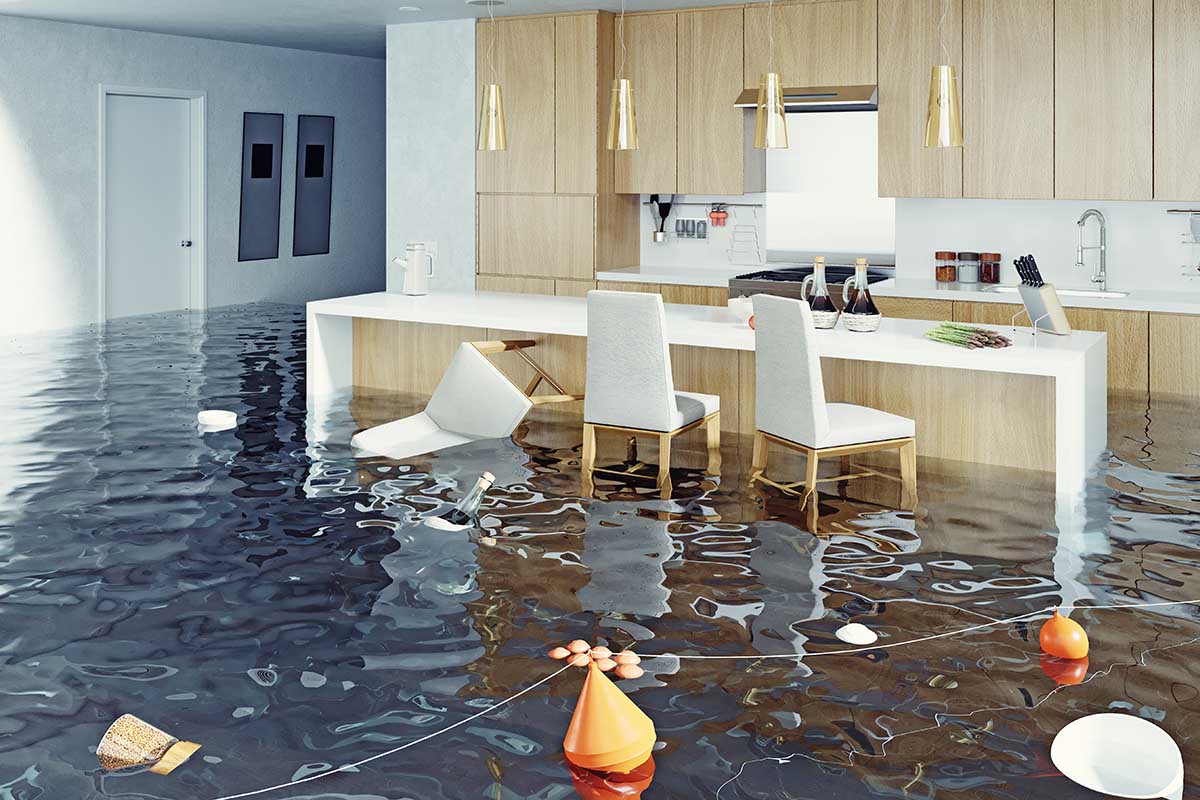
The consequences of ignoring damp spots extend far beyond peeling paint, warped floorboards, and bubbling plaster.
Persistent indoor moisture creates the perfect breeding ground for toxic fungal growth, which poses a serious threat to indoor air quality and the physical well-being of your family.
It is not just an aesthetic issue or a structural concern.
Beyond the obvious structural decay, unchecked moisture from household leaks can trigger dangerous indoor mould growth.
In fact, the Victorian Department of Health warns that mould can cause severe respiratory issues, including asthma attacks, sneezing, and serious allergic reactions.
Having reliable detection tools helps you identify these damp pockets before mould colonies have a chance to establish themselves behind your drywall or under your carpets.
Taking a proactive stance ensures that your living environment remains safe and breathable.
Your Essential Water Detection Toolkit
Modern technology has made it incredibly easy for everyday homeowners to diagnose unseen moisture problems.
You do not need to be a master plumber to utilise these accessible, highly effective devices.
Here is what you should consider adding to your hardware collection:
- Digital Moisture Meters: These handy handheld devices come in two main varieties. Pin meters feature small metal prongs that you press into drywall, timber, or masonry to get an instant percentage reading of the material’s water content. Pinless meters use electromagnetic sensors to scan beneath the surface without causing any cosmetic damage. Both allow you to confirm if a suspicious stain is actively wet or just an old, dry mark.
- Thermal Imaging Cameras: While they used to be prohibitively expensive, smartphone-compatible thermal cameras are now widely available. They detect temperature variations behind solid walls. Since damp insulation and wet timber framing are cooler than dry areas, thermal tools make hidden pipe drips glow visibly on your digital screen, taking the guesswork out of leak detection.
- Smart Water Sensors: Placed under sinks, near hot water systems, or behind washing machines, these small battery-operated pucks are modern lifesavers. They sound a loud alarm or send a notification straight to your mobile phone the second they detect pooling water, preventing a slow leak from turning into a flooded floor overnight.
- Telescopic Inspection Mirrors: A low-tech but incredibly effective tool. An angled mirror on an extendable handle helps you look behind heavy appliances, deep into vanity cabinets, and under low-clearance furniture to spot early signs of corrosion or slow weeping joints.
Preventative Gear for Proactive Homeowners
Once you have identified potential vulnerabilities, having a few preventative supplies on standby will help you manage minor repairs before they escalate.
A high-ratio thrust caulking gun is an absolute must for any home toolkit.
Cheaper guns often lead to uneven application, messy finishes, and hand fatigue.
Conversely, a quality caulking gun ensures a smooth, consistent bead of sealant around sinks, bathtubs, and window frames.
Pair this tool with premium, mould-resistant silicone designed specifically for wet areas to ensure a watertight finish.
Additionally, keeping a set of basic pipe wrenches, pliers, and thread-sealing plumber’s tape in your kit allows you to tighten weeping connections on washing machine hoses or under-sink traps immediately.
These quick fixes are often all it takes to stop a minor drip from destroying an adjacent baseboard or seeping into the subfloor.