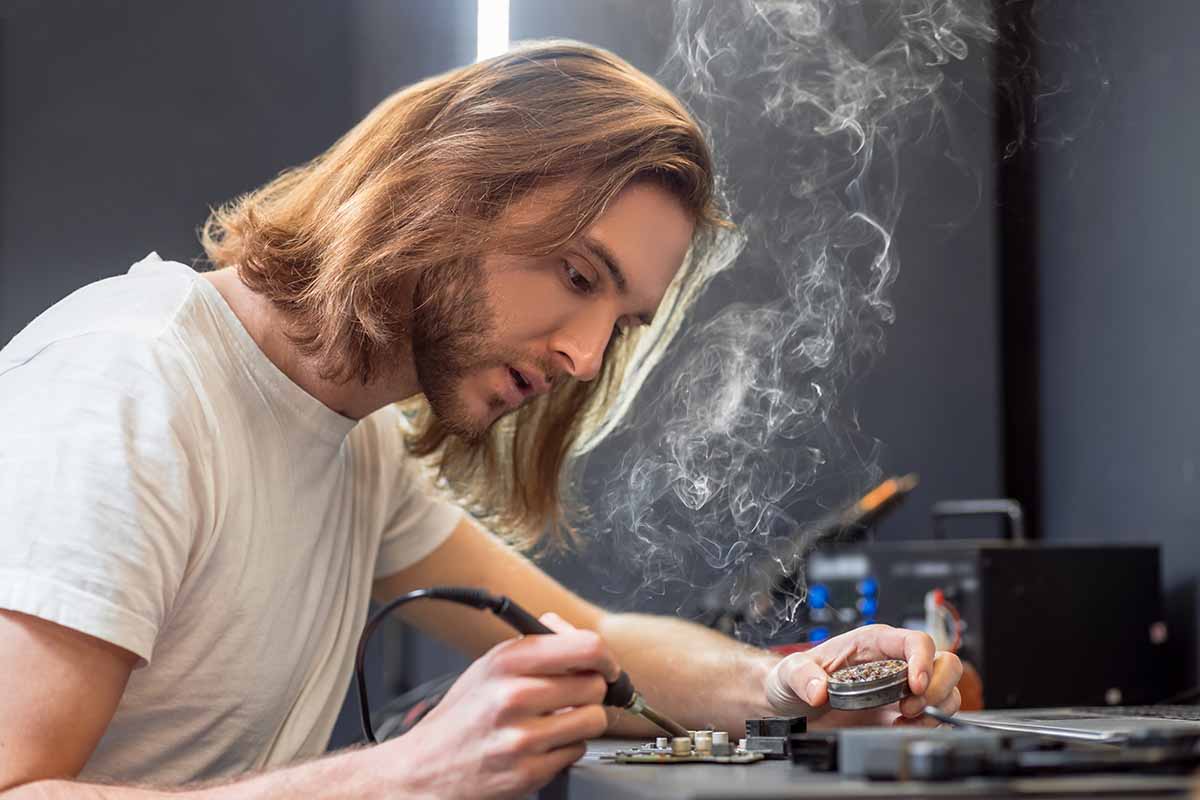
Basic Vape Device Maintenance and Safety Tips for Beginners
✨ Key Points
- Follow the manufacturer’s instructions for charging, cleaning, coil replacement, and compatible parts.
- Inspect the device regularly for leaks, overheating, battery damage, unusual sounds, or changes in performance.
- Store vape devices and e-liquids upright, away from extreme temperatures, water, children, and pets.
A new vape device may look simple, but it contains several connected parts, including a battery, heating element, tank or pod, seals, and a mouthpiece.
Poor charging, liquid buildup, incompatible components, and improper storage can cause leaks, burnt taste, reduced performance, battery damage, or potentially dangerous overheating.
Basic vape device maintenance begins with reading the manufacturer’s manual because cleaning and charging requirements vary by model.
New users should also know how to recognize warning signs instead of continuing to use a device that appears damaged.
Before using or maintaining a new vape, follow these essential practices:
- Use only the charger, cable, coils, pods, and other components approved for that specific device.
- Charge it on a clean, flat, visible surface away from beds, sofas, paper, and other flammable materials.
- Never charge the device unattended or leave it connected overnight.
- Keep the charging port and contact points clean and completely dry.
- Wipe away condensation and small leaks with a dry cloth; never immerse the battery section in water.
- Replace damaged pods, cracked tanks, worn seals, and burnt coils instead of attempting unsafe repairs.
- Stop using the device if it becomes unusually hot, swells, leaks heavily, smells strange, or activates unexpectedly.
- Store the device upright in a cool, dry place—not inside a hot car or in direct sunlight.
- Keep devices and nicotine liquids locked away from children and pets.
The FDA specifically recommends protecting vape batteries from extreme temperatures and charging devices on a clean, flat surface where they can be monitored.
Readers should also understand that maintenance does not make vaping harmless.
According to the CDC, e-cigarette aerosol can contain nicotine and other potentially harmful substances, and adults who have never used tobacco products should not begin vaping.
Cleaning The Vape Device Regularly
Keeping a vape device clean is a simple way to support its operation.
Dust and residue can collect on the mouthpiece, tank but also connection points.
Regular cleaning is a method for maintaining the experience and allows users to inspect the device for wear or damage.
Users are encouraged to follow the instructions provided with their specific model because different devices require different methods.
Some components are suitable for gentle wiping, while others require replacement after use.
Avoiding harsh cleaning methods is a way to protect the materials and prevent damage to sensitive parts.
Maintaining The Vape Tank And Components
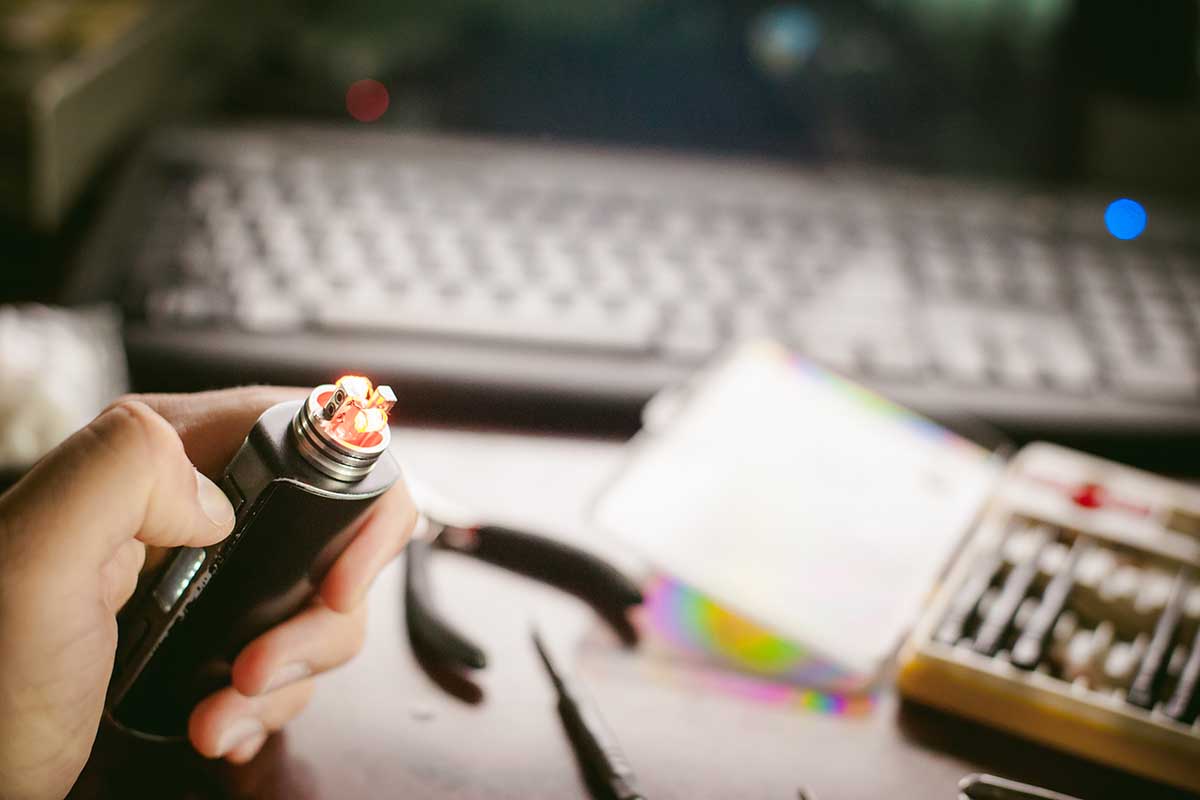
The tank or cartridge is a central part of many devices because it holds the liquid.
Users are responsible for checking the tank for leaks, cracks or residue.
Addressing these issues early is a way to prevent further problems as well as keep the device working as expected.
Replacing worn components is another part of basic care – Coils and cartridges are parts that do not last indefinitely and can affect performance when they are old.
Beginners are able to learn how their specific device works to understand when replacement parts are necessary for proper function.
Handling The Battery Safely
Battery care is a necessary practice for anyone using a rechargeable device.
Users are encouraged to inspect batteries or charging connections regularly to ensure they are in good condition.
Damaged batteries or unusual heat are warning signs that the device requires attention.
Charging habits are also factors in battery performance – New users are advised to use compatible charging equipment and avoid leaving devices connected to chargers longer than necessary.
Following the manufacturer’s recommendations is a way to support safe operation and improve the lifespan of the device.
Storing The Device Properly
Proper storage is a method for protecting a vape device when it is not in use.
Keeping the device in a dry, clean location is a way to prevent exposure to moisture, dust next to damage.
Users are advised to avoid placing devices in areas where they may be crushed, dropped or exposed to high or low temperatures.
Storage practices are also applicable to supplies and accessories.
Keeping extra components organized is a way to identify what is available and what requires replacement.
Some users research products plus options, like where they can buy disposable vapes online but storage is important regardless of the device type.
Checking The Device Before Use
Performing an inspection before using a new device is a way to identify potential concerns early.
Users are encouraged to check that components are connected, the device is intact and there are no signs of leaks – these checks are ways to prevent problems caused by loose parts or incorrect assembly.
Beginners are also encouraged to become familiar with device settings and features before making adjustments.
Understanding basic functions is a way to operate the device confidently but also avoid unnecessary changes.
Reading the included instructions is a helpful step for learning how the device is designed to work.
Replacing Parts When Needed
Vape components such as coils, pods, seals, tanks, and batteries can wear out with regular use.
Reduced vapor production, leaking, a persistent burnt taste, connection problems, or visible damage may indicate that a part needs cleaning or replacement.
One of the common mistakes people make buying vapes online is choosing replacement parts based only on appearance or price.
Two coils or pods may look almost identical but have different resistance levels, dimensions, or power requirements.
An incompatible component can cause poor performance, leaking, overheating, or permanent device damage.
Before ordering replacement parts:
- Confirm the exact device brand, model, and version.
- Check the manufacturer’s compatibility list and user manual.
- Buy from the manufacturer or a reputable, authorized retailer.
- Avoid products with missing labels, unusually low prices, or unclear origins.
- Never mix batteries, chargers, coils, or pods that are not approved for the device.
- Replace damaged parts rather than attempting improvised repairs.
Correct replacement parts help maintain performance, but they should never be used to disguise a larger problem.
Proper vape device maintenance also means knowing when to stop using the equipment.
If the device overheats, activates unexpectedly, develops a swollen battery, or continues leaking after a component replacement, discontinue use immediately and follow the manufacturer’s service or safe-disposal instructions.
Learning Responsible Device Care
Developing good habits from the beginning is a way to make ownership easier for new users.
Actions like cleaning, storing equipment correctly and following charging instructions are ways to maintain the device.
Building the habits early is a way for beginners to become comfortable with their equipment.
Vape users are also encouraged to learn from reliable information sources as well as understand product details before making purchases.
An online vape store may provide product information but users are responsible for choosing suitable equipment and following care practices.
Maintenance starts with understanding how to handle each part of the device.
Maintaining Long Term Device Performance
Consistent vape device maintenance can help equipment remain functional and make potential problems easier to identify.
Regular cleaning, careful handling, safe charging, proper storage, and timely replacement of compatible components should all be part of the routine.
Maintenance does not need to be complicated, but it does require attention.
Beginners who follow the manufacturer’s instructions and inspect their devices regularly may reduce leaks, residue buildup, poor performance, and damage caused by incorrect handling.
However, cleaning cannot make a damaged battery safe. Stop using any device that overheats, swells, activates unexpectedly, or remains defective after basic troubleshooting.