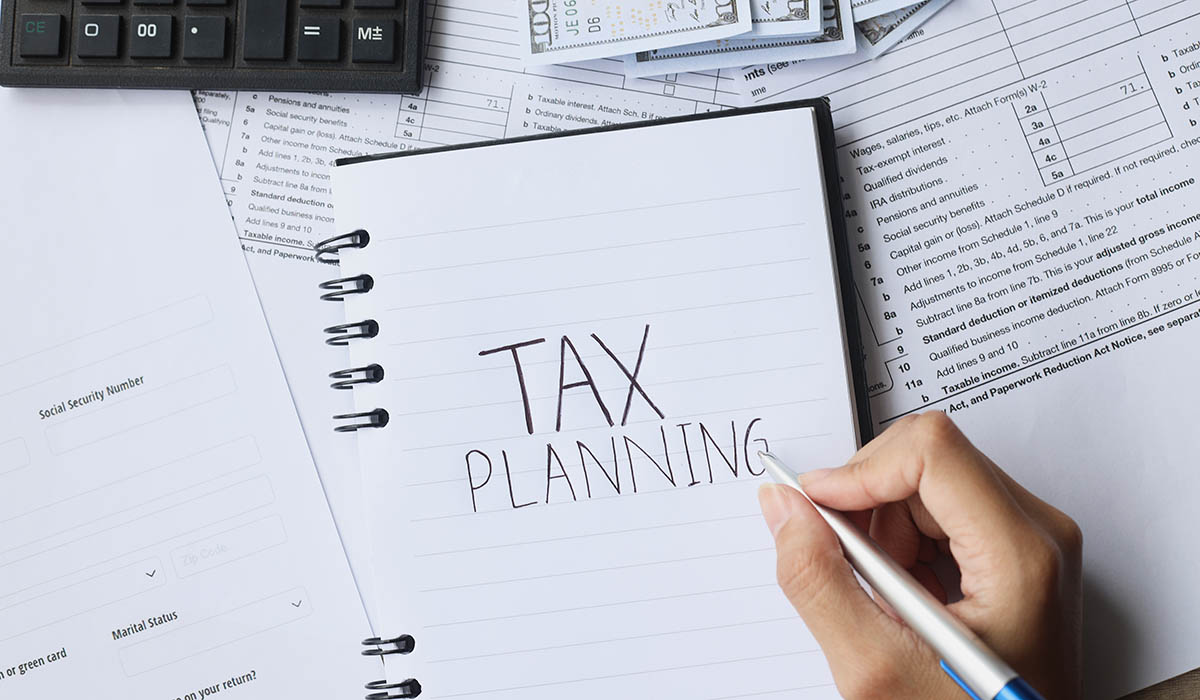
Expert-Backed Strategies for Effective Taxation Planning
✨Key Points
- Start early and stay organized – keep receipts, income records, and expenses in one place to avoid last-minute stress.
- Learn the basics of tax law – understanding common deductions and rules reduces fear of making costly mistakes.
- Work with a trusted advisor or tool – professional guidance or tax software ensures compliance and maximizes savings.
You know, I used to think taxes were just one of those things you deal with once a year — gather the papers, stress for a week, and then hope for the best.
But somewhere along the way, especially as I started building my business, I realized taxes aren’t just about filing forms. They’re about strategy.
Taxation planning is a complex but crucial part of financial management, and here’s the hard truth: if you don’t take it seriously, you end up paying more than you should. And it’s not just the money.
It’s the sleepless nights worrying about deadlines, the fear of missing deductions, or the panic of getting a letter from the IRS (we’ve all heard those horror stories).
For both individuals and businesses, reducing the tax burden while staying fully compliant with the law is a top priority. But here’s the catch — finding that balance isn’t simple. It requires foresight, structure, and often expert guidance.
Without it, you risk bleeding cash on unnecessary payments or scrambling last minute to “fix” things that should’ve been planned months ago.
That’s why I wanted to put this together — not to scare you, but to show you that with the right approach, taxation planning can actually give you peace of mind.
Instead of feeling like taxes are controlling your life, you get to feel like you’re the one in control.
In this article, you will explore expert-backed strategies for effective Tax Planning that can help you optimize your tax situation while staying on the right side of the law.
Understand Your Tax Situation
Before beginning the planning, it’s essential to understand your current tax situation, including your sources of income, deductions, credits, and potential tax liabilities.
Professional tax advisors can conduct a comprehensive tax assessment to identify areas where tax savings can be achieved.
Choose the Right Tax Filing Status
Your tax filing status significantly impacts your tax liability.
Whether you’re single, married, head of household, or a qualified widow or widower, selecting the appropriate filing status can substantially affect the taxes you owe.
tax advisors can help you determine your situation’s most advantageous filing status.
Maximize Deductions and Credits

Deductions and tax credits are powerful tools for reducing taxable income and overall tax liability.
Experts can help you identify eligible deductions and credits for your specific circumstances.
This may include deductions for mortgage interest, medical expenses, educational expenses, and various tax credits like the Child or Earned Income Tax Credit.
Leverage Retirement Accounts
Sharing to retirement accounts like 401(k)s or IRAs can have dual benefits.
You save for the future and decrease your taxable income in the present.
Expert advisors can guide you in maximizing contributions to retirement accounts within legal limits to reap these tax advantages.
Strategic Investment Planning
Investment income can be taxed differently depending on the type of investments and their holding periods.
Tax professionals can help you develop a tax-efficient investment strategy that minimizes capital gains taxes.
Strategies include tax-loss harvesting, utilizing tax-advantaged accounts, and diversifying investments to optimize tax efficiency.
Consider Tax-Efficient Estate Planning
Estate planning goes beyond passing on your assets to the next generation—it also involves minimizing estate taxes.
Tax experts can help structure your estate plan tax-efficiently, utilizing strategies such as gifting, trusts, and other estate planning tools to reduce the tax impact on your heirs.
Stay Informed and Adapt
Tax laws are subject to change, and staying perfectly informed about tax code updates is essential. Expert tax advisors continuously monitor changes in tax laws and regulations.
They can help you adapt your Tax Planning strategies to take advantage of new opportunities or mitigate risks associated with tax law changes.
In conclusion, effective taxation planning is a multifaceted endeavor that requires expertise and meticulous attention to detail.
By understanding the tax situation, choosing the correct filing status, maximizing deductions and credits, leveraging retirement accounts, implementing strategic investment planning, considering tax-efficient property planning, and remaining informed about tax law changes, you can work toward reducing your tax burden while remaining compliant with tax regulations.
Professional tax advisors are crucial in guiding folks and businesses through the complexities of taxation planning.
They have the knowledge and experience to create personalized strategies that align with one’s financial goals and objectives.
By collaborating with experts in the field, you can achieve tax efficiency and peace of mind, knowing that your taxation planning is in capable hands.
Effective taxation planning is not just about minimizing taxes; it’s about optimizing one’s financial well-being and securing the economic future.