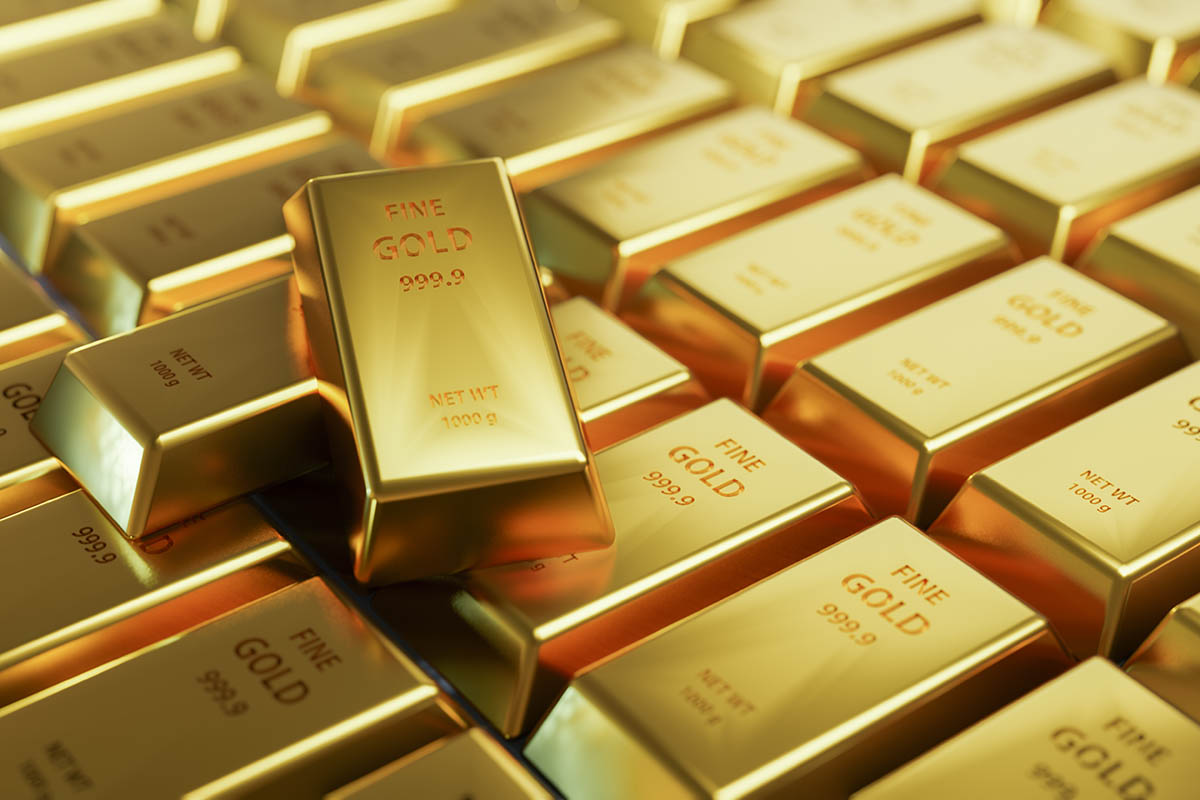
Should You Invest in Precious Metals? Benefits and Risks
✨ Key Points
- Precious metals can support diversification, but their value is never guaranteed.
- Physical bullion involves premiums, storage, insurance, security, and resale considerations.
- Compare coins and bars with funds, mining stocks, and other investment options before buying.
Precious metals such as gold, silver, platinum, and palladium have attracted investors for centuries.
Their limited supply, physical form, and global demand can make them a useful diversification tool during periods of inflation or market uncertainty.
However, rarity does not guarantee returns.
Precious-metal prices can fall, sometimes sharply, and physical bullion creates additional expenses for dealer premiums, storage, insurance, and resale.
Unlike dividend-paying stocks or interest-bearing bonds, bars and coins do not generate income while you hold them.
Before making this type of investment, consider:
- Why you want precious metals in your portfolio;
- How much price volatility you can tolerate;
- Whether you prefer physical bullion, mining stocks, funds, or exchange-traded products;
- The premiums charged above the metal’s market price;
- Storage, insurance, security, and authentication costs;
- The dealer’s reputation and buyback conditions;
- How easily you could sell the investment;
- Whether the purchase fits your broader diversification strategy;
Precious metals may help diversify a portfolio, but they should not automatically be treated as a guaranteed safe haven.
FINRA warns that metal prices fluctuate like other investments and that buyers of physical metals may face theft, fraud, excessive fees, and high-pressure sales tactics.
The right decision depends on your goals, time horizon, financial position, and tolerance for risk.
How Do I Invest in Precious Metals?
There are several ways to invest in precious metals, and each option offers a different balance of ownership, convenience, cost, and risk.
The main options include:
- Physical bullion: You can buy bullion metals in the form of coins, rounds, or bars. You own the metal directly, but must consider dealer premiums, secure storage, insurance, authentication, and resale costs.
- Exchange-traded products: Precious-metal ETFs and similar products offer exposure through a brokerage account. They are generally easier to buy and sell than physical bullion, although fees apply and the investor usually does not take possession of the metal.
- Mining stocks: Buying shares in mining companies provides indirect exposure to metal prices. Returns also depend on the company’s management, operating expenses, production, debt, and political risks.
- Mutual funds: Some funds invest in several mining companies or precious-metal assets, helping spread company-specific risk.
- Futures and options: These contracts allow investors to speculate on future metal prices. They can involve leverage and substantial losses, making them more appropriate for experienced investors.
- Metal savings or subscription programs: These services allow recurring purchases of precious metals. Before joining, confirm who owns the metal, where it is stored, what fees apply, and whether you can request physical delivery.
Physical bullion is not automatically the best choice.
It may appeal to investors who value direct ownership, while exchange-traded products may be more suitable for those who prioritize liquidity and convenience.
Mining stocks offer growth potential but introduce business-related risks that do not apply to bullion.
Before investing, compare the total costs, tax treatment, liquidity, storage arrangements, dealer reputation, and role the investment will play in your wider portfolio.
Avoid borrowing money to buy metals or treating any precious-metal investment as guaranteed protection against market losses.
Gold, Silver, or Platinum?
No precious metal is automatically the best choice for every investor.
Gold, silver, and platinum respond to different market forces, so the right option depends on your budget, objectives, and tolerance for price changes.
Here is how they generally differ:
- Gold: Often purchased for diversification and as a potential store of value. It typically has a deep global market, but its price can still decline.
- Silver: More affordable per ounce and influenced by both investment demand and industrial uses. Its price can be more volatile than gold’s.
- Platinum: Used extensively in automotive and industrial applications. Its smaller market and concentrated supply can contribute to sharp price movements.
- Multiple metals: Holding more than one metal can spread metal-specific risk, but it does not guarantee stability or prevent losses.
A gold sovereign is a specific British bullion coin, not a separate type of gold investment. It may appeal to some buyers because it is widely recognized, but premiums, tax treatment, liquidity, and dealer buyback terms should be compared with those of other coins and bars.
Do not choose a metal simply because it appears inexpensive.
Compare its market price, dealer premium, historical volatility, industrial demand, and resale market first.
Protecting Your Precious-Metal Investment
Physical bullion creates security and storage responsibilities that do not apply to most brokerage investments.
Keeping metals at home offers direct access but may increase the risk of theft, loss, or insufficient insurance.
Common storage options include:
- A properly installed home safe with suitable insurance coverage;
- A bank safe-deposit box, subject to the bank’s rules and insurance limitations;
- An allocated professional vault where specific bars or coins are recorded in your name;
- A dealer storage program with clear ownership, audit, insurance, and withdrawal terms;
Before purchasing through a precious-metals dealer, confirm:
- The dealer’s reputation, registration, and applicable licensing;
- The total price above the metal’s spot value;
- Storage, administration, delivery, and insurance fees;
- Whether the metal is allocated or pooled with other customers’ holdings;
- Whether independent audits are performed;
- How physical delivery and withdrawals work;
- The dealer’s written buyback policy;
- The price you are likely to receive when selling;
Recognizable bullion coins may be easier to authenticate and resell than obscure collectible products.
Common examples include the British Britannia, Austrian Philharmonic, American Gold Eagle, Canadian Maple Leaf, and South African Krugerrand.
However, popularity does not eliminate premiums, counterfeiting risks, or price fluctuations.
Final Thoughts
Precious metals can play a limited diversification role within a broader investment strategy, but they do not guarantee security, income, or protection from losses.
Compare physical metals with exchange-traded products, calculate every ownership cost, and avoid high-pressure sellers promising safety or exceptional returns.
The most suitable choice is not necessarily the rarest metal or most attractive coin.
It is the investment you understand, can store securely, can sell efficiently, and can afford to hold through periods of falling prices.