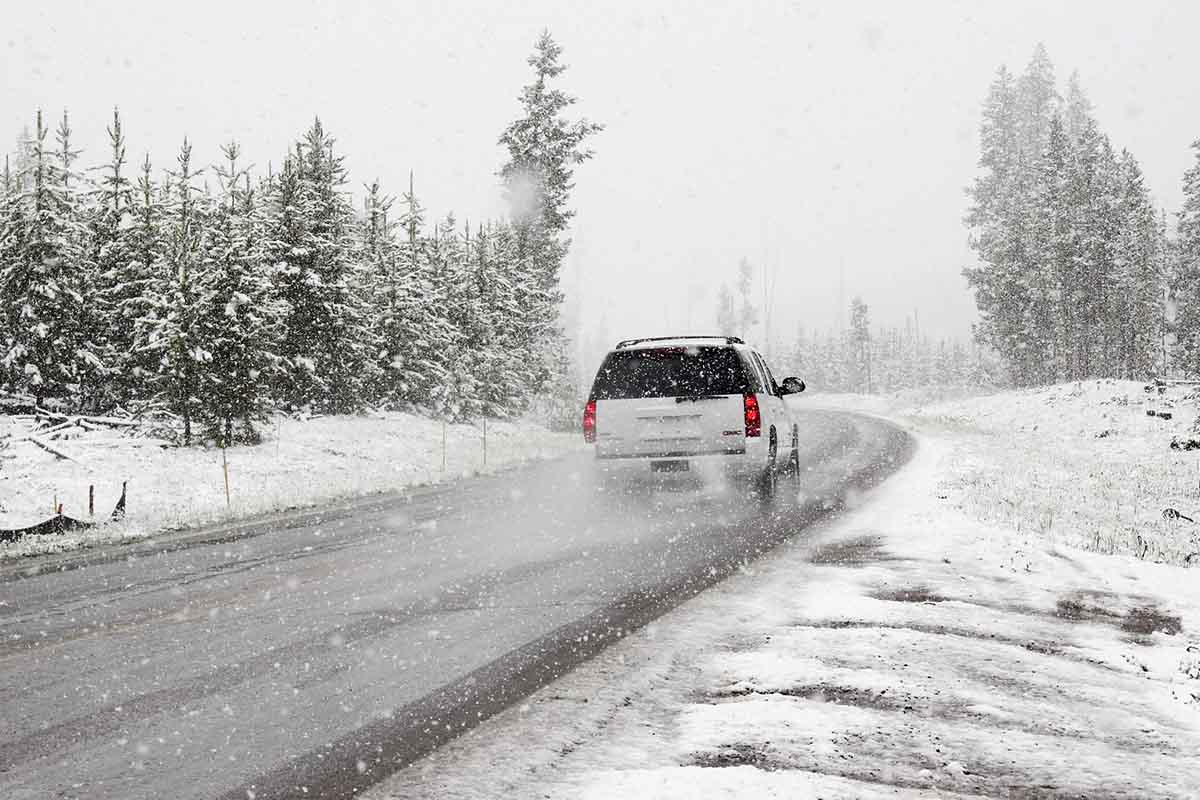
Simple Tips For Safer Winter Driving
✨Key Points
- Seattle’s winter driving risks come from rain, darkness, and slick roads rather than heavy snow alone.
- Simple vehicle checks and smoother driving habits greatly reduce accident risk in wet conditions.
- Preparing early helps drivers stay safe on hills, bridges, and busy Seattle streets all winter long, making these Seattle winter road safety tips easier to put into practice every day.
Winter driving in Seattle comes with its own set of challenges.
While heavy snow is less common than in other regions, frequent rain, early darkness, slick road surfaces, and occasional cold snaps make winter conditions unpredictable.
In recent years, Washington State traffic data has shown that wet pavement and reduced visibility are among the leading contributors to winter-related accidents, which is why Seattle winter road safety tips focus so heavily on preparation for morning and evening commutes.
For Seattle drivers navigating hills, bridges, and busy urban routes, even light ice or pooled water can significantly increase risk, which is why Seattle winter road safety tips place so much emphasis on preparation and caution in these areas.
Staying safe on the road during winter doesn’t require major changes—just smart preparation and awareness.
Simple habits can dramatically reduce the chances of skidding, hydroplaning, or losing control, including:
Checking tyre tread and pressure regularly, as cold, wet conditions reduce grip and braking performance;
Ensuring wipers, lights, and washer fluid are ready to handle constant rain, spray, and early darkness;
Slowing down and increasing following distance, since wet roads can double stopping distances;
Driving smoothly and avoiding sudden braking or sharp turns, especially on hills and bridges that freeze first.
For example, a routine tyre check after a long stretch of rain can reveal pressure loss or uneven wear before it affects steering on slick streets.
Likewise, keeping lights clean and properly aimed helps ensure you’re visible during Seattle’s long, dark winter evenings.
With a little preparation, winter driving in Seattle can be safer, calmer, and far less stressful—making it easier to get where you’re going and enjoy the season with confidence.
Check your tire tread
One of the most important things you can do before driving in a Seattle winter is check your tyre tread.
While Seattle doesn’t see constant snow, winter temperatures often hover between 35°F and 45°F (1°C to 7°C), which is the range where roads stay wet, cold, and slick for long periods.
Add frequent rain, leaf debris, and oil buildup on the pavement, and traction becomes a real concern.
Tyre tread is what clears water away from the contact patch, helping your car grip the road when braking or turning.
When tread is worn, water doesn’t disperse properly, increasing the risk of hydroplaning—especially during heavy rain or on downhill stretches common around Seattle neighborhoods.
Local traffic data consistently shows that wet-road collisions spike during early morning and evening commutes, particularly from November through February, when daylight is limited and surfaces stay damp, highlighting driving trends that are steering us toward a smarter future focused on prevention and preparation.
For Seattle driving, it’s recommended to:
Check tread depth before winter begins and again mid-season, as rain accelerates wear;
Aim for at least 4/32″ of tread, even though the legal minimum is lower, to maintain grip on wet roads;
Pay extra attention before long highway drives or during extended rainy weeks, when tyres lose performance faster;
For example, a tyre that feels fine in dry conditions can struggle during a typical Seattle morning commute, where drizzle, standing water, and shaded roads combine.
A quick tread check can mean the difference between controlled braking and sliding through an intersection.
Keeping your tyres in good condition is one of the simplest and most effective steps you can take to stay safe on Seattle’s winter roads.
If you want to avoid a trip to your local car accident lawyers, take time to check the tread is deeper than 1.6mm, and if not, invest in new ones!
Safer Winter Driving: Consider Tyre Grips or Traction Aids
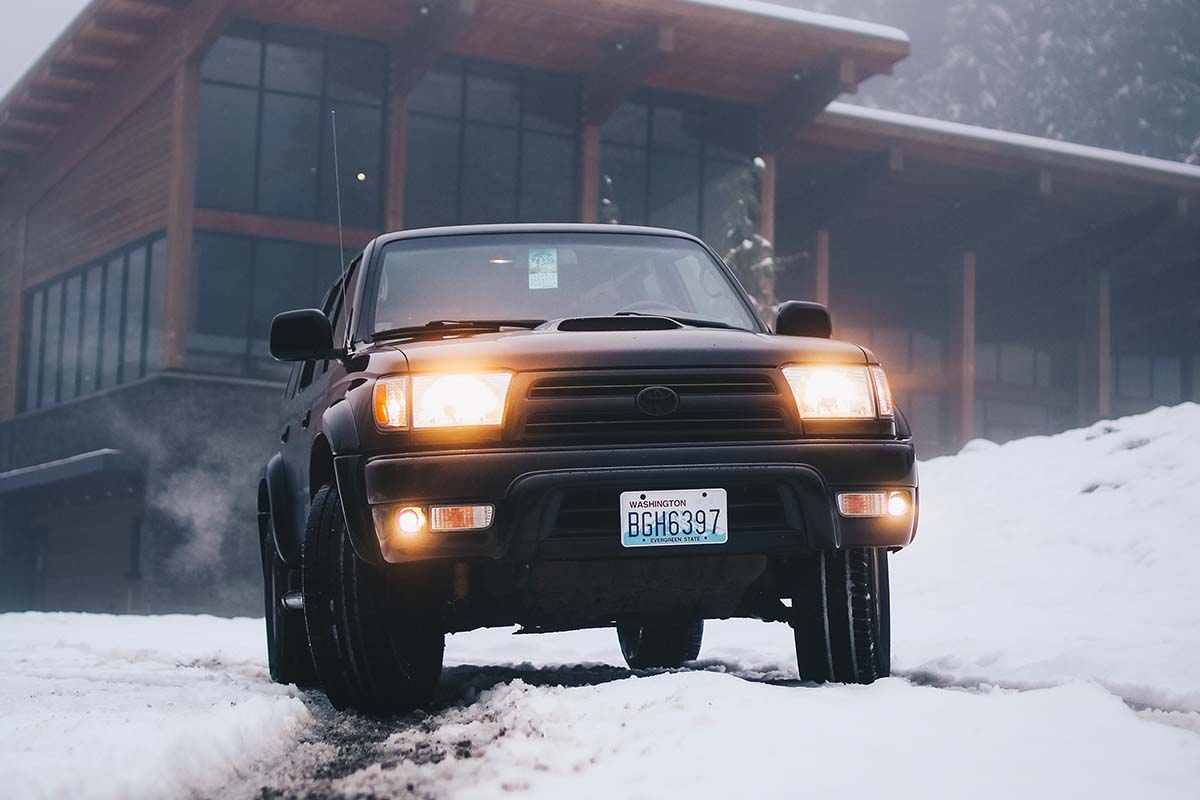
Tyre grips and traction aids can be a valuable addition during winter, especially when roads are covered in snow or compacted ice, and they are often included in practical Seattle winter road safety tips for unpredictable conditions.
They provide extra bite on slippery surfaces, helping your vehicle accelerate, steer, and brake more predictably when normal tyres struggle.
If you live in an area that regularly experiences heavy snowfall or freezing conditions, carrying tyre grips in your vehicle is a smart precaution—even if you don’t need them every day.
They’re particularly useful for steep roads, untreated side streets, and sudden snowstorms where ploughing may be delayed.
Tyre grips can make a noticeable difference by:
Improving traction when starting on icy or snow-covered roads;
Reducing wheel spin on hills and inclines;
Helping maintain control during low-speed turns and brakingl
For example, fitting tyre grips during a sudden overnight snow event can help you safely navigate local roads when visibility is low and surfaces are packed with snow.
While they’re not a replacement for proper winter tyres, they offer an extra layer of safety when conditions turn severe.
Used correctly and when conditions require them, tyre grips can greatly reduce stress and increase confidence when driving in winter weather.
Keep Tyre Pressure in Check
Tyre pressure plays a bigger role in winter driving safety than many drivers realise.
As temperatures drop, tyre pressure naturally decreases—often by about 1 PSI for every 10°F (5–6°C) drop in temperature. That means during winter, especially after cold nights, tyres can become underinflated without you noticing.
Driving on underinflated tyres reduces grip, increases stopping distances, and makes steering feel heavier, all of which raise the risk on wet, icy, or snowy roads. It can also lead to uneven wear, shortening tyre life and affecting fuel efficiency.
To stay safe during winter:
Check tyre pressure at least once a month, and more often during cold snaps;
Always measure pressure when tyres are cold, before driving or after the car has been parked for several hours;
Park on a flat surface to get the most accurate reading;
Inflate tyres to the manufacturer’s recommended pressure, not the maximum listed on the tyre.
For example, after a week of cold mornings, your tyres may feel fine but could be several PSI below the recommended level.
A quick pressure check can restore proper grip and help your car respond more predictably when braking or turning.
Keeping tyre pressure properly adjusted is one of the simplest and most effective ways to improve safety and control during winter driving.
Top Up Essential Fluids
Keeping your car’s fluids at the correct levels is especially important during winter, when cold temperatures put extra stress on the engine and its components.
Fluids like engine oil, antifreeze, and coolant play a key role in preventing freezing, reducing wear, and ensuring your vehicle runs smoothly in low temperatures.
Cold weather thickens engine oil, making it harder for parts to move freely during cold starts.
Antifreeze and coolant help regulate engine temperature, prevent freezing in the cooling system, and protect against corrosion.
If fluid levels are low or mixtures are incorrect, the risk of breakdowns increases significantly in winter.
To stay prepared:
Check oil levels regularly and ensure the oil grade is suitable for cold weather;
Make sure antifreeze and coolant are topped up to the correct levels and mixed properly;
Inspect washer fluid and use a winter-grade solution to prevent freezing;
Include fluid checks as part of your monthly winter maintenance routine.
For example, a low coolant level during a freezing night can lead to overheating once the engine warms up or even cracked components in extreme cases.
Taking a few minutes to check and top up fluids helps prevent costly damage and keeps your car reliable throughout the winter months.
Staying on top of essential fluids is a simple but crucial step toward safer, stress-free winter driving.
Also, consider filling your screen wash and using it now and again to ensure that the tap doesn’t freeze over!
Check Your Oil Level
Checking your oil level regularly is essential, especially in winter when cold starts put extra strain on your engine.
To check it properly, park on a level surface, remove the dipstick, wipe it clean, insert it fully again, and then check the level against the marked indicators.
Engine oil lubricates all the moving parts inside your car, reducing friction and preventing wear.
In cold weather, oil thickens, which makes proper levels even more important.
Running with low oil can lead to rough starts, poor performance, or serious engine damage—problems that are far more likely to leave you stranded in winter conditions.
As part of winter maintenance:
Check oil levels at least once a month;
Top up using the manufacturer-recommended oil grade;
Look out for warning lights or unusual engine noises;
A quick oil check before winter sets in can prevent breakdowns during freezing mornings or long cold drives.
Safer Winter Driving: Slow Down
When driving in winter conditions, slowing down is one of the most effective ways to stay safe, and choosing the right car care matters in everyday life in Seattle.
Cold, wet, or icy roads significantly reduce traction, meaning your car needs more time and distance to stop safely.
Even on familiar roads, driving just a little too fast can increase the risk of skidding or losing control. In winter:
Stick to speed limits and reduce speed further when roads are wet, icy, or poorly lit;
Brake earlier and more gently to avoid sudden stops;
Come to a full stop at junctions and approach roundabouts with extra caution;
Taking it slow won’t add much time to your journey, but it can make a big difference to your safety.
If You Don’t Have to Drive, Don’t
Winter driving always carries more risk. If conditions are severe and you have the option to stay off the road, it’s often the safest choice.
Postponing non-essential trips helps reduce traffic, lowers accident risk, and keeps emergency services free for those who need them.
If you do need to drive, make sure your vehicle is well maintained, allow extra time for your journey, and stay alert to changing road conditions.
A cautious approach helps protect not just you, but everyone else on the road as well.