Essential Volleyball Equipment Checklist (Indoor & Beach Volleyball Guide 2026)
✨Key Points
- Core volleyball equipment includes ball, net, proper footwear, and protective gear;
- Indoor and beach volleyball require different shoes, including sand volleyball shoes for outdoor play;
- Quality equipment improves performance, safety, and overall game experience.
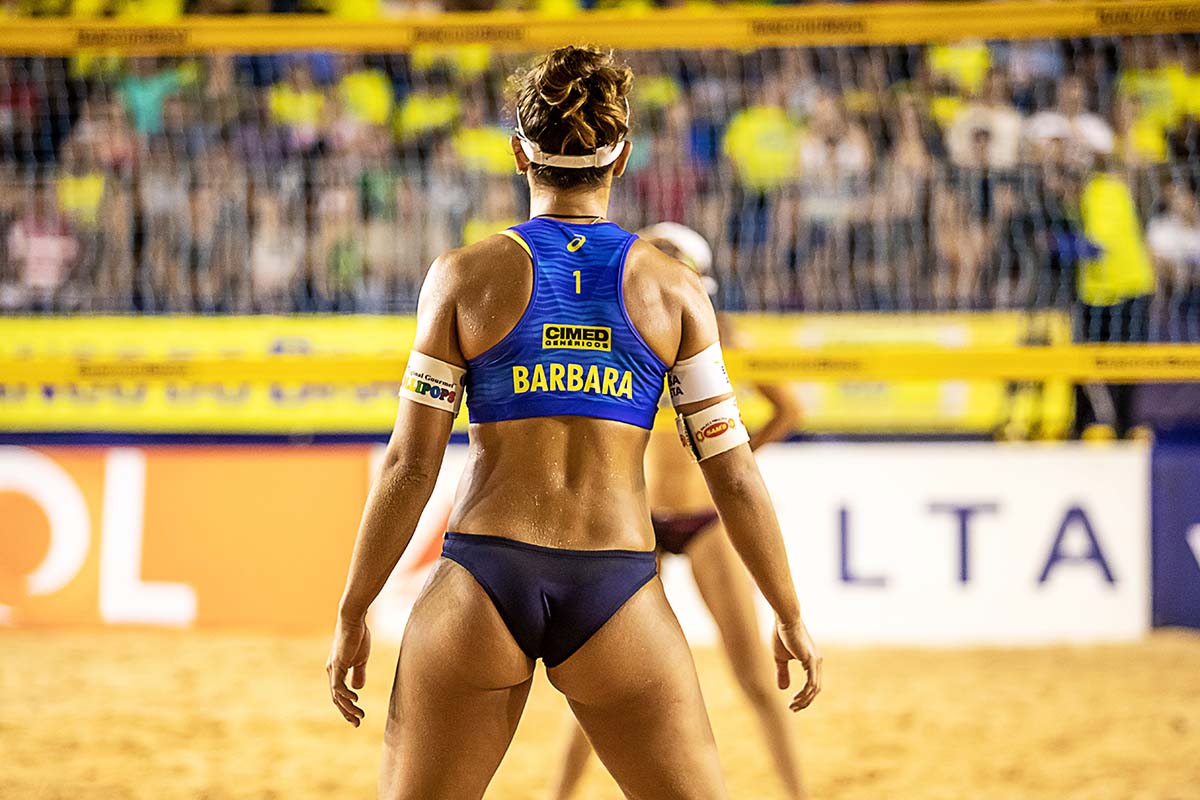
Whether you’re playing casually or training seriously, having the right volleyball equipment makes a real difference.
It’s not just about the ball and the net, your comfort, performance, and safety all depend on the gear you choose.
And the setup changes depending on where you play.
For both indoor and outdoor volleyball, you’ll need the essentials:
- Volleyball ball and net (for gameplay.)
- Knee pads (to protect against impact.)
- Proper footwear
- Indoor: court shoes with strong grip and support
- Outdoor: breathable options like sand volleyball shoes, designed for comfort and movement on sand
Choosing the right gear helps you move better, reduce injury risk, and enjoy the game more.
In this guide, we’ll break down each piece of equipment so you can choose what fits your level and playing environment.
Equipment for a Court
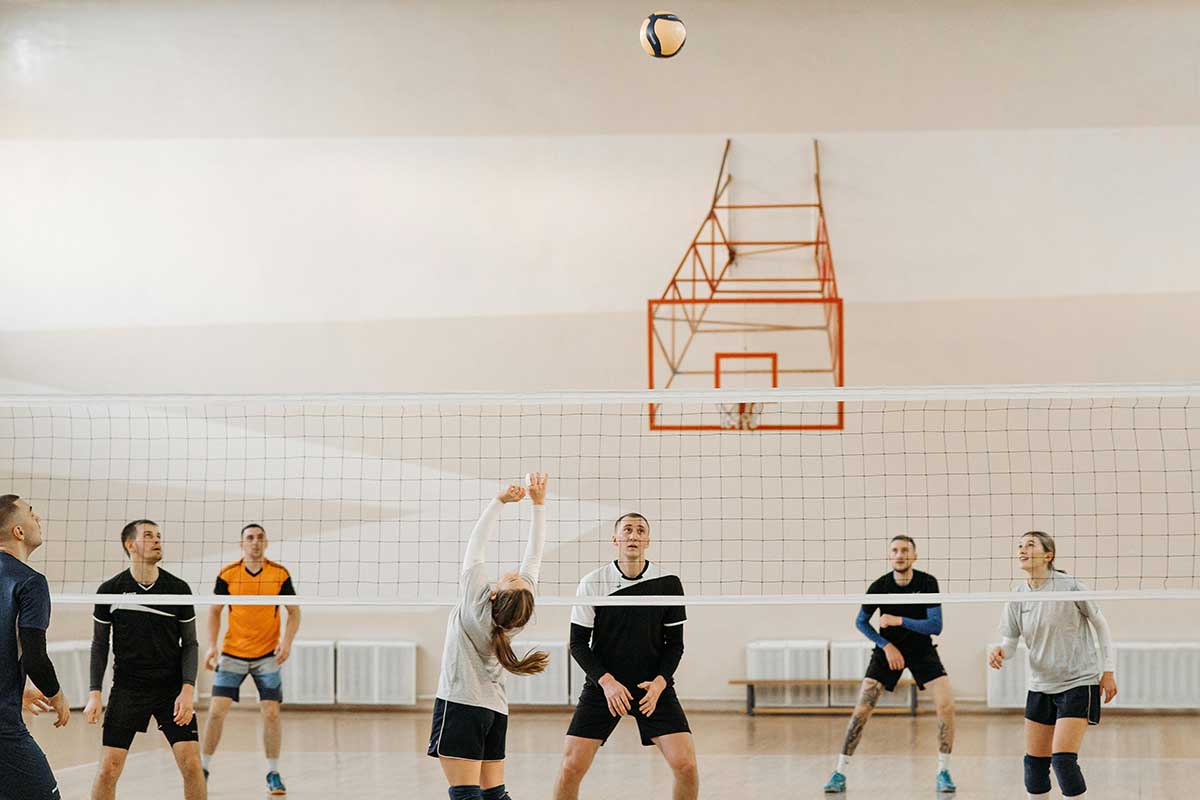
Before you start playing, the first step is to properly set up your volleyball court.
A well-equipped court ensures fair gameplay, safety, and a better overall experience, whether you’re playing indoors or outdoors.
Here’s what you need:
- Volleyball net system – adjustable height for different levels (men, women, recreational)
- Boundary lines – to clearly define the court area
- Poles and anchors – to keep the net stable and secure
- Proper surface
- Indoor: flat, non-slip court flooring
- Outdoor: level sand or grass surface
Setting up your court correctly makes the game smoother, more enjoyable, and closer to official standards.
Posts
Volleyball can’t be played without a properly set net, and that starts with strong, reliable posts.
You need two posts to support and hold the net at the correct height.
These posts are typically made from durable materials like steel or aluminum, which provide stability during play.
When choosing posts, pay attention to:
- Material – steel for strength, aluminum for lighter weight and portability;
- Stability – secure anchoring or weighted bases to keep the net firm;
- Adjustability – ability to set different net heights for various levels of play.
Good-quality posts ensure the net stays tight and stable, which makes the game safer and more consistent for everyone on the court.
Besides, they differ in design and can be free-standing, floor, or wall-mounted.
An optional but useful accessory is safety pads made of soft foam.
They protect athletes from accidental strikes against the stands.
Net
The net is the core element of any volleyball setup, so it’s worth investing in quality.
A durable net will last longer, stay properly tensioned, and handle constant impact from gameplay.
This is especially important for outdoor and beach volleyball, where the net is exposed to sun, wind, and moisture.
When choosing a net, focus on:
- Material quality – strong, weather-resistant mesh for outdoor use;
- Durability – able to withstand frequent hits and tension;
- Visibility – clear top band for better gameplay and accuracy.
Net height also matters and should match the level of play:
- Men’s volleyball: typically higher;
- Women’s volleyball: slightly lower;
- Youth/kids: adjusted for age and skill level.
A well-chosen net improves not just the lifespan of your equipment, but also the quality and fairness of the game.
Ball
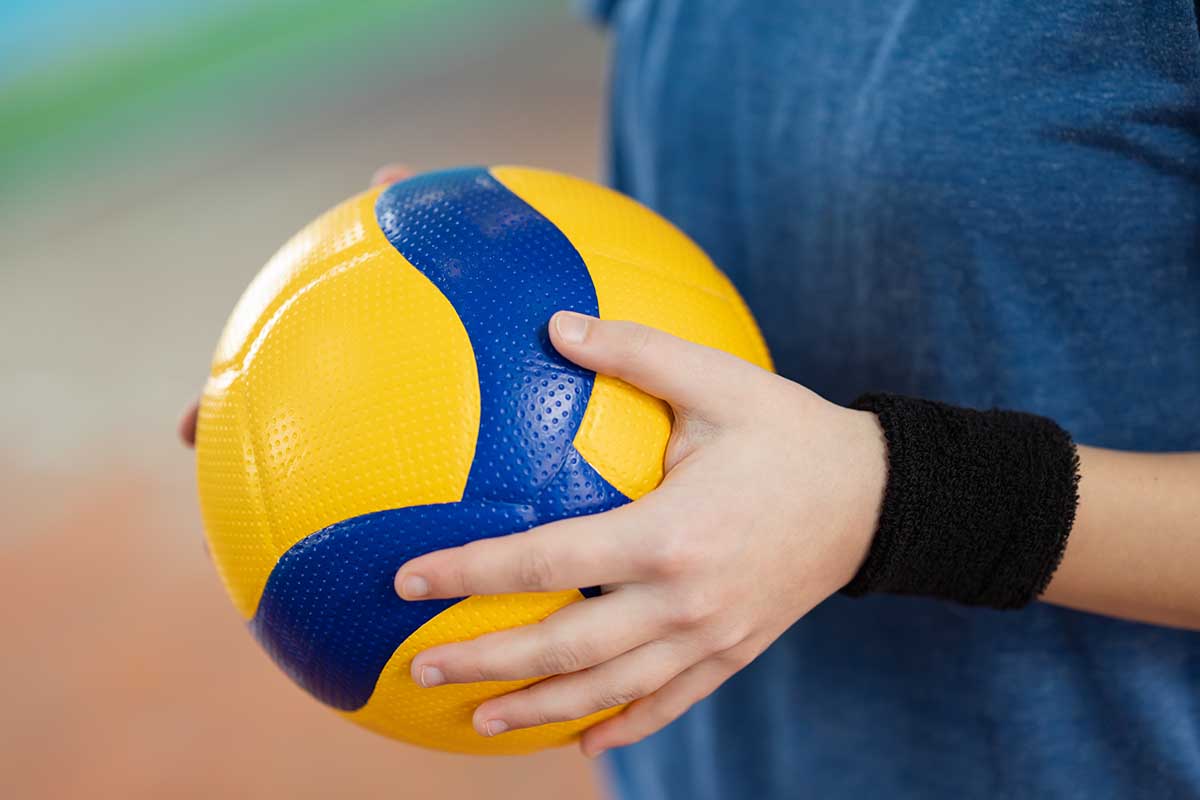
A volleyball match simply can’t happen without the right ball, and the quality you choose directly affects how the game feels.
For casual beach games, a basic ball can work.
But if you’re training regularly or playing competitively, investing in a higher-quality volleyball ball makes a noticeable difference in control, durability, and overall performance.
Volleyballs also vary depending on use:
- Classic (indoor) – standard size and weight for official play;
- Junior – slightly smaller and lighter for younger players;
- Beach volleyballs – often larger, softer, and designed for outdoor conditions.
Material matters too:
- Indoor volleyballs – usually made from genuine or composite leather for better grip and precision.
- Outdoor/beach volleyballs – made from synthetic materials like rubber or artificial leather to handle sand, sun, and moisture.
Choosing the right ball ensures better gameplay, more comfort, and longer-lasting equipment, especially if you play often.
Other Accessories
Depending on whether you’re setting up a professional or casual court, you may need additional accessories to improve gameplay and organization.
These extra items help make the experience more complete, comfortable, and closer to official standards.
Here are some useful additions:
- Referee stand – for official matches and better visibility;
- Ball pump – to keep the ball at the right pressure;
- Court lines – to clearly define boundaries (especially for outdoor play;)
- Benches or seating – for players to rest between games;
- Antennas – to mark the vertical boundaries of the net in competitive play.
You don’t need everything to get started, but adding the right accessories over time can significantly improve both the quality and enjoyment of the game.
Volleyball Equipment: Gear for the Athlete
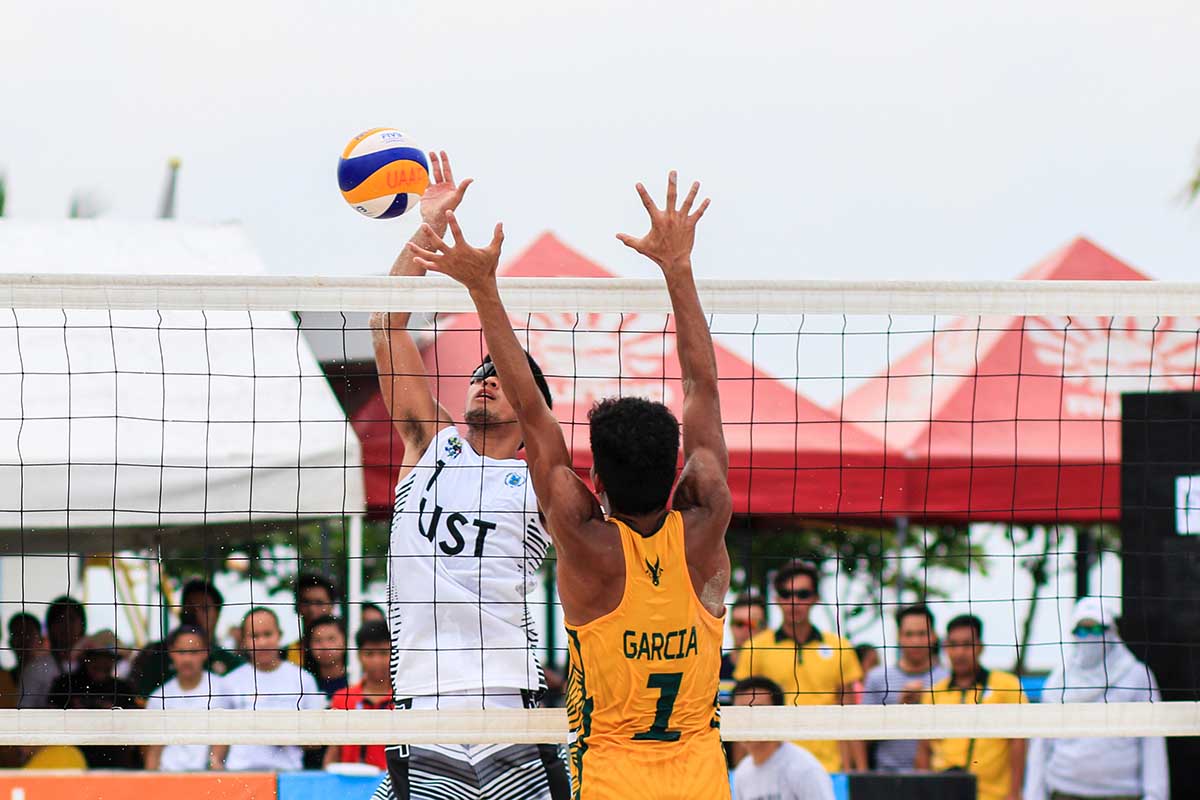
Once your court is set up and ready, the next step is choosing the right equipment for yourself.
Having the proper gear helps you move better, stay comfortable, and reduce the risk of injury—whether you’re playing casually or training regularly.
Shoes
Choosing the right footwear is essential for performance, comfort, and injury prevention.
While personal preference matters, good volleyball shoes should meet a few key requirements.
They need to be lightweight so they don’t slow you down during jumps, well-cushioned to reduce stress on your joints, and offer strong traction for quick movements and direction changes.
Proper ventilation is also important to keep your feet comfortable during longer games.
If you don’t have volleyball-specific shoes, basketball trainers can be a solid alternative.
They provide similar support, grip, and protection for high-impact movements.
For beach volleyball, the setup is different.
Many players go barefoot, but you can also use sand socks to protect your feet from heat and rough surfaces.
To complete your gear, don’t overlook socks.
Today, you can find custom volleyball socks, basketball socks, soccer socks, and softball socks from reputable US manufacturers like madsportsstuff.com.
These options offer comfort, durability, and team-style designs for both men and women.
The right footwear and accessories not only improve how you play, but also help you stay safe and consistent on the court.
Knee Pads
Knee pads may seem optional, but they play a big role in protecting you, especially if you’re still learning or playing regularly.
Not every player knows how to fall or dive safely, and that’s where knee pads help.
They reduce impact, protect your joints, and give you more confidence to move freely on the court.
When choosing knee pads, focus on:
- Material – stretchy, breathable fabrics like nylon that wick away sweat;
- Cushioning – foam, gel, or a combination for better shock absorption;
- Fit – snug enough to stay in place, but not tight enough to restrict movement or circulation.
They shouldn’t slide down during play, but they also shouldn’t feel uncomfortable or restrictive.
Even if you’re playing casually, knee pads can prevent minor injuries and make the game more comfortable, especially during dives, quick drops, and defensive plays.
Ankle or Knee Braces
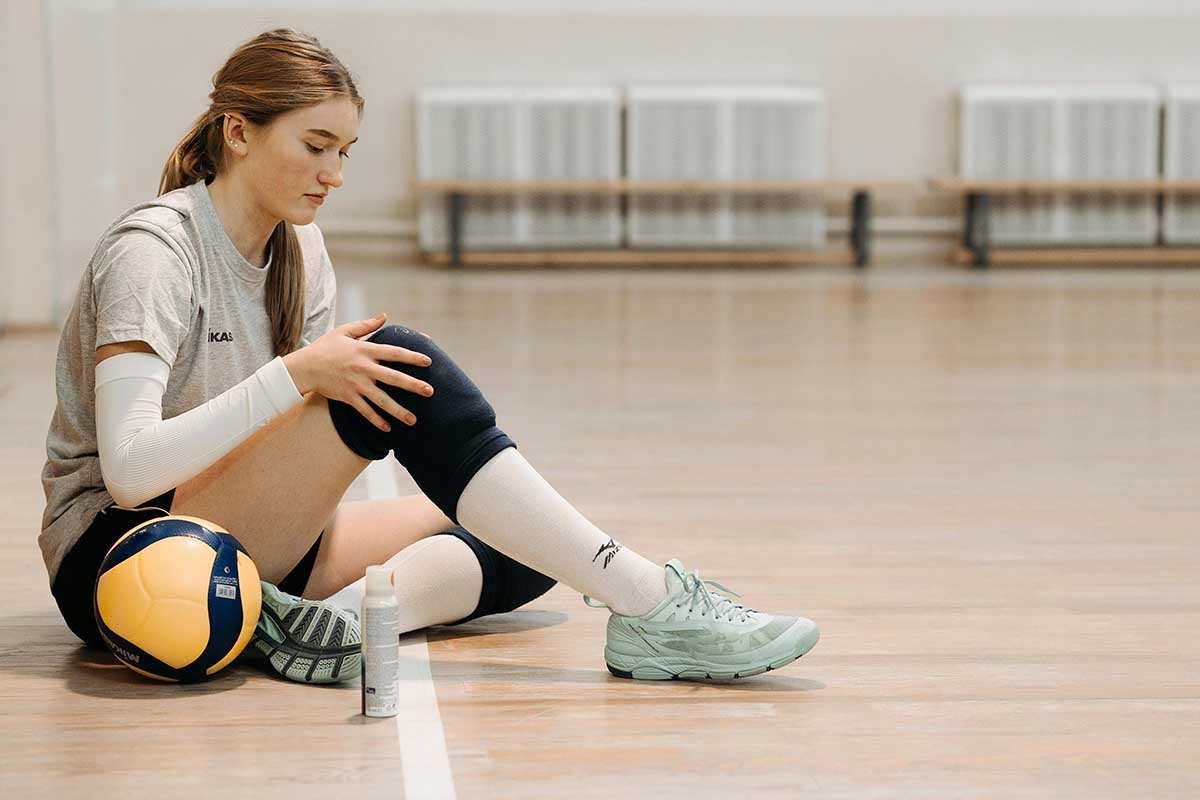
Braces are designed to support your joints and reduce the risk of injury, especially during high-impact movements like jumping and quick direction changes.
If you’ve had previous ankle or knee injuries, using a brace is strongly recommended.
Studies show that braces can reduce the risk of re-injury by up to 40%, making them a simple but effective preventative tool.
When choosing a brace, consider:
- Level of support – light support for prevention, stronger support for recovery.
- Material – flexible, breathable fabrics that allow movement without discomfort.
- Fit – secure and stable, but not too tight to restrict circulation.
Braces come in different styles, but they all serve one purpose, to keep your joints stable and protected during play.
Even if you’re playing at an amateur level, adding a brace can increase confidence, improve stability, and help you stay consistent on the court.
Sportswear
The right sportswear can make a big difference in how comfortable and confident you feel on the court.
Most volleyball players wear shorts and T-shirts or athletic tops that allow full freedom of movement.
Women’s styles are often more fitted, while men’s tend to be looser, but the key is comfort and flexibility.
For beach volleyball, some players choose long-sleeved tops to protect against sun exposure, especially during longer games.
When it comes to materials, not all fabrics perform the same:
- Natural fabrics (like cotton) may feel soft, but they absorb sweat quickly, become heavy, and take longer to dry
- Synthetic fabrics (like polyester or blends) are designed for sports, they are breathable, wick away moisture, and dry fast
That’s why most modern athletic wear is made from synthetic or performance-based materials.
What to look for:
- Breathability – keeps you cool during intense play;
- Moisture-wicking – pulls sweat away from the body;
- Flexibility – allows full range of movement.
Choosing the right sportswear helps you stay comfortable, move freely, and focus on the game instead of distractions.
Volleyball Equipment: Other Accessories
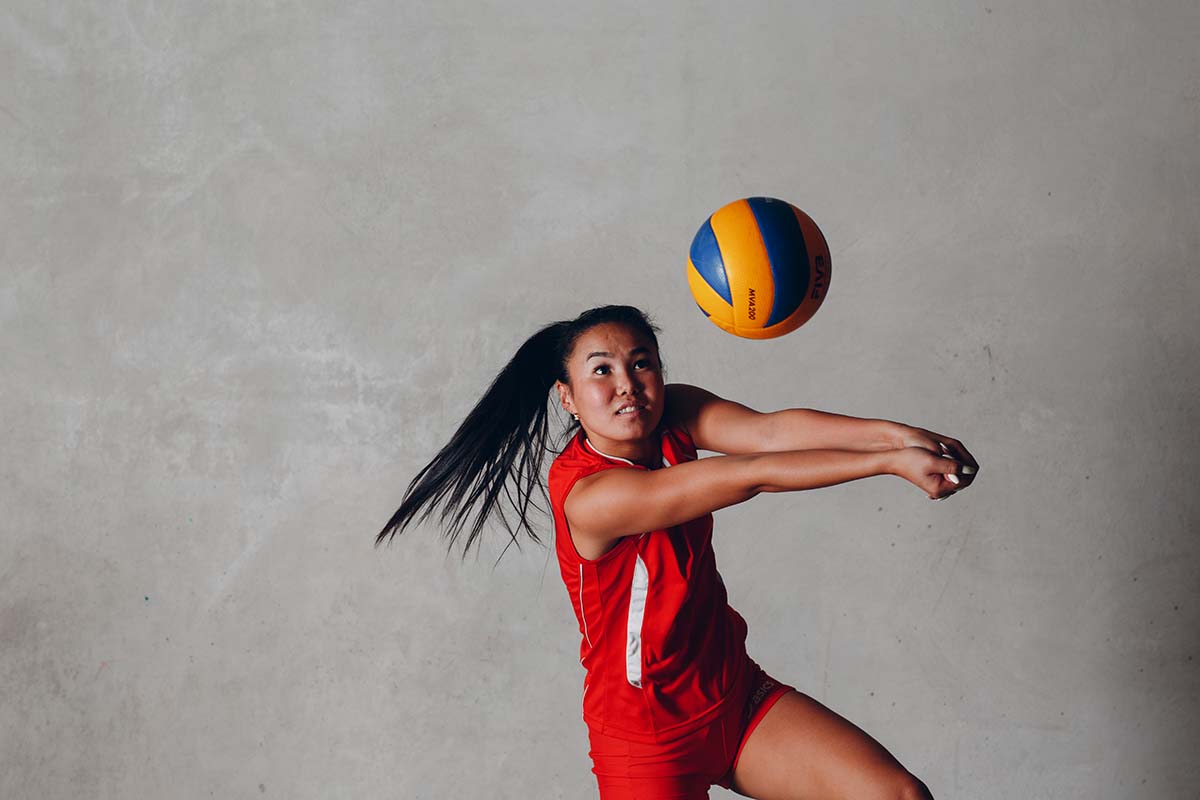
Beyond clothing, shoes, and protective gear, a few small accessories can make a big difference in comfort and performance.
These items are often overlooked, but they help you stay focused and prepared during the game.
Here’s what to include:
- Water bottle – to stay hydrated during matches and training
- Towel – to wipe off sweat and maintain grip
- Wristbands – help manage sweat and improve comfort
- Socks – some athletes wear two pairs to reduce friction, while others prefer recycled plastic socks for better hygiene and odor control
If you’re playing outdoors, sun protection is essential:
- Cap or hat – shields you from direct sunlight
- Sunscreen – protects your skin during long sessions
- Sports glasses or sunglasses – reduce glare and improve visibility, especially near sand or water
These small additions don’t just improve comfort—they help you stay consistent, focused, and ready to perform in any environment.
What Else You Should Have
Volleyball is a fast-paced, high-movement sport, which means minor injuries can happen—even during casual games.
That’s why it’s important to be prepared, especially if you’re setting up a court or playing regularly.
At a minimum, you should have:
- First aid kit – for basic care (cuts, scrapes, minor injuries.)
- Sports tape – to support joints or stabilize small strains.
- Ice packs – to reduce swelling and relieve pain after impact.
These essentials won’t replace professional medical care, but they can help you handle minor issues quickly and keep the game going safely.
The goal is simple, make your setup not just functional and fun, but also safe for everyone playing.