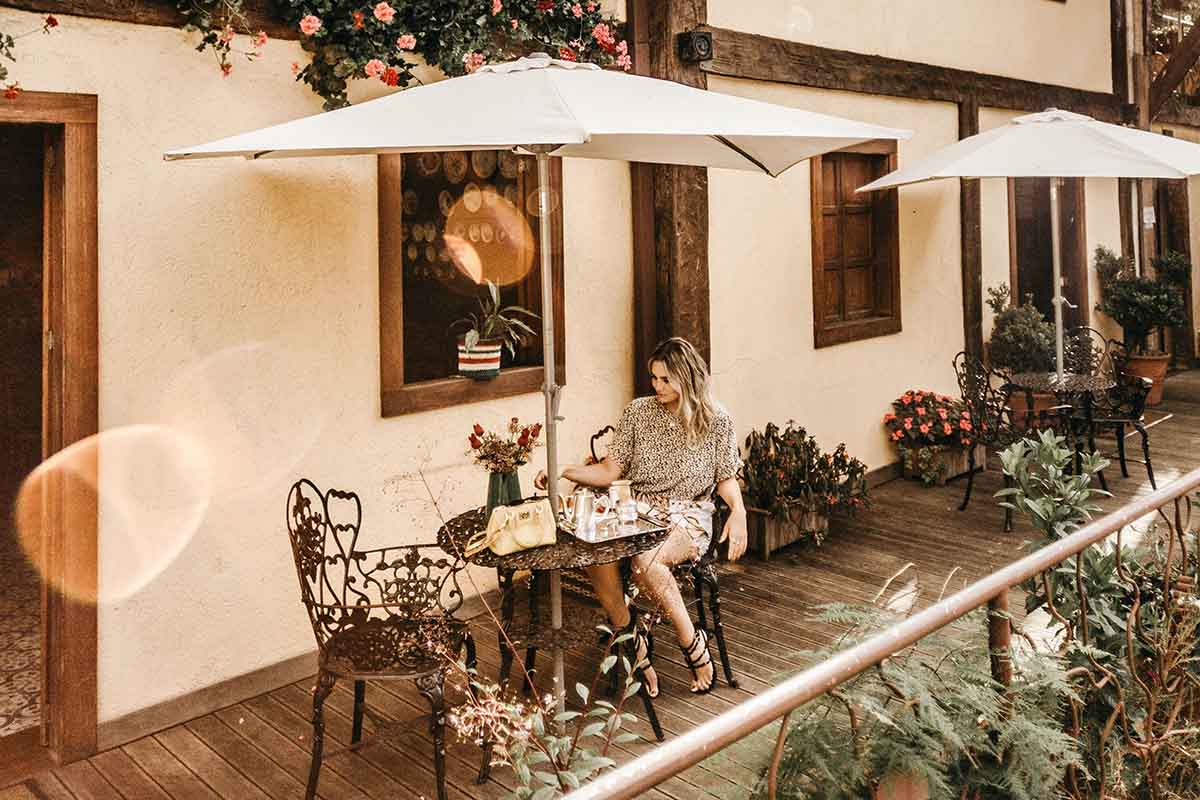
Things To Know About A Patio Umbrella
Now that summer is coming up, and many people are starting to prepare for it. It is vital to get all the things necessary so you can have a wonderful time during the summer. If you live in areas where it is too hot outside, you should definitely consider grabbing these bad boys.
Suppose you have a big yard but do not have any trees around your yard or house. In that case, it is a perfect opportunity for you to consider investing in patio umbrellas. It is a simple but very effective solution for enjoying the summer as much as you can.
You would most definitely not want to get a burn from the Sun, and it is dangerous to sit outside in the middle of the day. But, unfortunately, many people do not understand the Sun’s dangers if you do not take proper care.
You should definitely apply for some protection before exposing yourself to the Sun. You should definitely get an umbrella in your yard or wherever you go. The UV lights can be really harmful to the human skin, killing the cells on your skin.
This can cause severe issues if you expose yourself very often, as you may get skin cancer. This can be really fatal, so remember to take all the necessary steps to avoid this. This topic will discuss what kinds of umbrellas out there and other similar stuff regarding this. If you are interested enough, you should most definitely check out the following link for more information on this topic https://www.architecturaldigest.com/story/the-photo-worthy-rise-of-the-outdoor-umbrella
Take a measure of your landscape
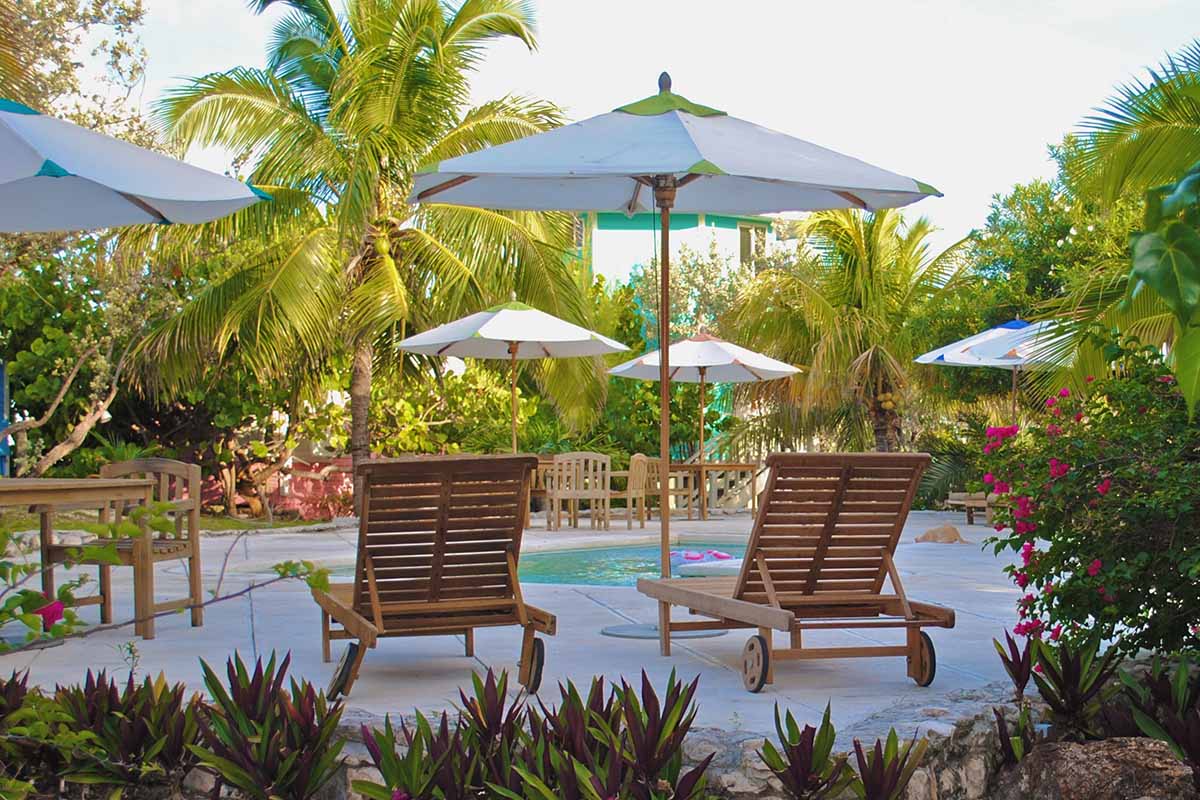
Before you decide to buy an umbrella for your landscape, you should consider taking measures before doing so. For example, suppose you have a garden. You do not want your umbrella to cover your vegetables, flowers, or whatever you are growing. In that case, you should consider taking measures to avoid any issues.
Other things that may be problematic are trees. If you have trees in your backyard, you should take notice to take measures where do you want to put your umbrella. This will avoid it being damaged and avoid creating shadow in spots where there are trees, as they also provide shadow.
If you are a big family, you should consider getting a bigger one to protect everyone in your family. However, you would not want to get a smaller one, and it only covers few people. This also implies how big your table is.
If it is for many people, you should also consider getting a more extensive umbrella. Otherwise, if you have a smaller table, then you should get a smaller one as well. This is important because of aesthetics, and you would not want to get a smaller one for big tables because it will not cover up all the spots.
When it comes to what sizes they come in, there are a few of the most popular. Size is essential, and size matters for sure. They often come in table size, ranging from thirty to thirty-six inches and in diameter from six to eight feet.
Others can come in thirty-eight to forty-eight inches and diameter from nine to eleven feet. Finally, the biggest of them all comes from fifty-four to sixty inches and in diameter eleven feet or larger. Want to read more? Then click on this link.
Patio Umbrella: What types are out there?
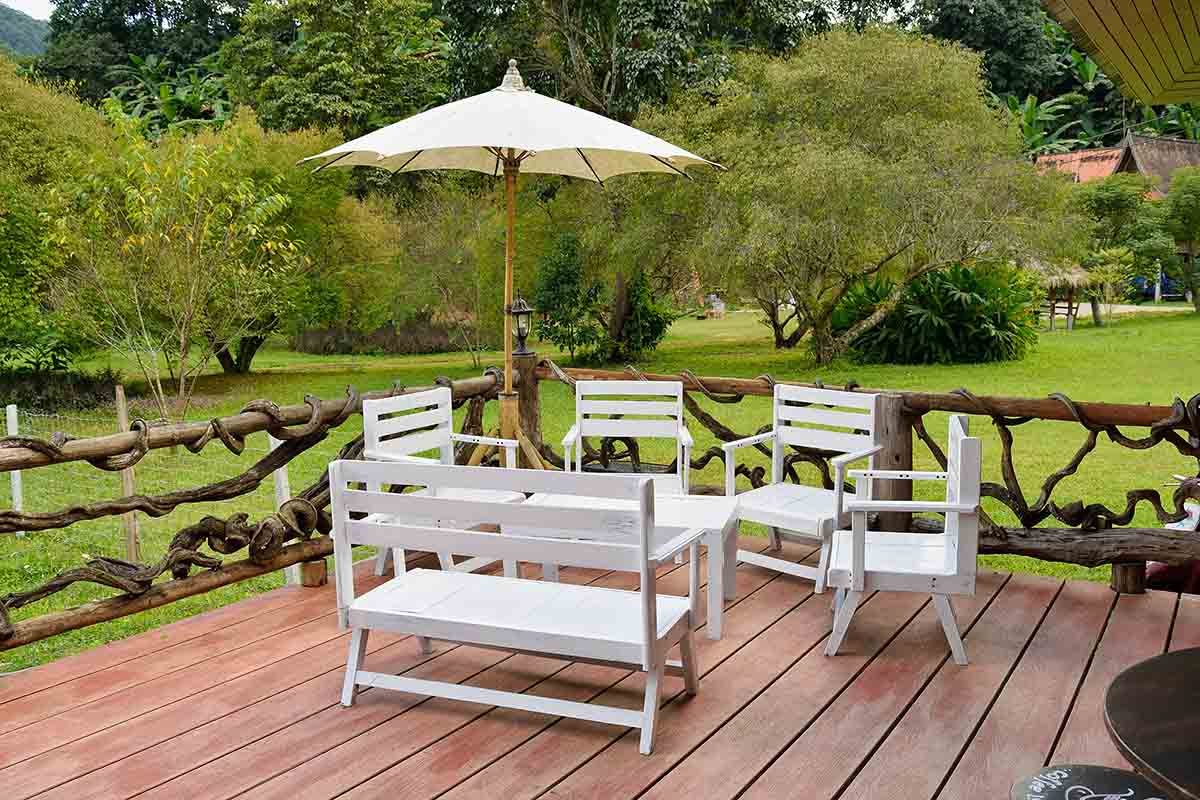
Before you go shopping, it is essential to know which umbrella is best for your landscape. There are many things to be taken into consideration, and aesthetics are the key element. Various types can be looked upon, and hopefully, you can make the right choice after reading this article.
The sunshades are a viral model that many people often buy. Its form is kind of like a round disc that is meant only for one person. It is great for pools, and it can be found in hotels. Market models come in octagonal shapes, and there are highly used by various cafes, lounge bars, and restaurants.
Other types that are also used are pagoda, cantilever, logo umbrellas, and commercial-grade. They can all come in different shapes and sizes, and it is often up to you to decide which one is the most suitable for your situation.
If you wonder what shapes they take, the answer to that question is they can take many forms. There is a square patio umbrella, octagonal, circle, etc. It comes down to what kind of style you have and what shape is best for your taste.
Remember, creating a haven in your backyard is definitely a must, and you should always consider investing in things such as these to make your life easier. After all, nobody lives eternally, and you should consider investing in something that will be worth i