
Vintage Vehicles Worth Adding to Your Classic Car Collection
✨ Key Points
A great classic car collection doesn’t need to look like a multimillion-dollar auction catalog.
The most interesting collections often have a story behind them: a car from the decade you grew up in, the sports car you had on your bedroom wall, an overlooked model with distinctive engineering, or a vintage vehicle that represents an important moment in automotive history.
That gives collectors far more possibilities than chasing ultra-rare Ferraris and other museum-level cars.
When deciding which classic cars to collect, consider:
- Personal connection: Would you still want the car if its market value never increased?
- Historical significance: Did the model introduce distinctive styling, engineering, or influence its era?
- Rarity versus usability: An extremely rare car may be exciting to own but difficult to maintain or actually drive.
- Parts and specialist support: A strong enthusiast community can make long-term ownership considerably easier.
- Condition and originality: A less glamorous model in excellent condition may be a smarter purchase than a famous car requiring extensive restoration.
- Purpose: Decide whether you want to drive, display, restore, preserve, or potentially resell the vehicle.
And don’t assume every vintage car will become a profitable investment.
Values can change, while storage, insurance, maintenance, transportation, and restoring classic cars can add considerably to ownership costs.
The better approach is to build a collection you would be excited to own even without a future auction record.
If you’re ready to add another set of keys to your collection, here are seven vintage vehicles worth knowing about, and the reasons each one deserves attention beyond simply looking good in the garage.
Ford Mustang Shelby GT
When it comes to Ford Mustangs, nearly all vintage models are worthy of adding to a collection.
If you’re looking for a surefire bet on a Mustang that you will appreciate, make sure it has the name Shelby attached to it.
The three best years to get your hands on are the 1965 GT350, the 1969 Cobra Jet, and the 2013 GT500.
Vintage Vehicles: Mid-60s Buick Riviera
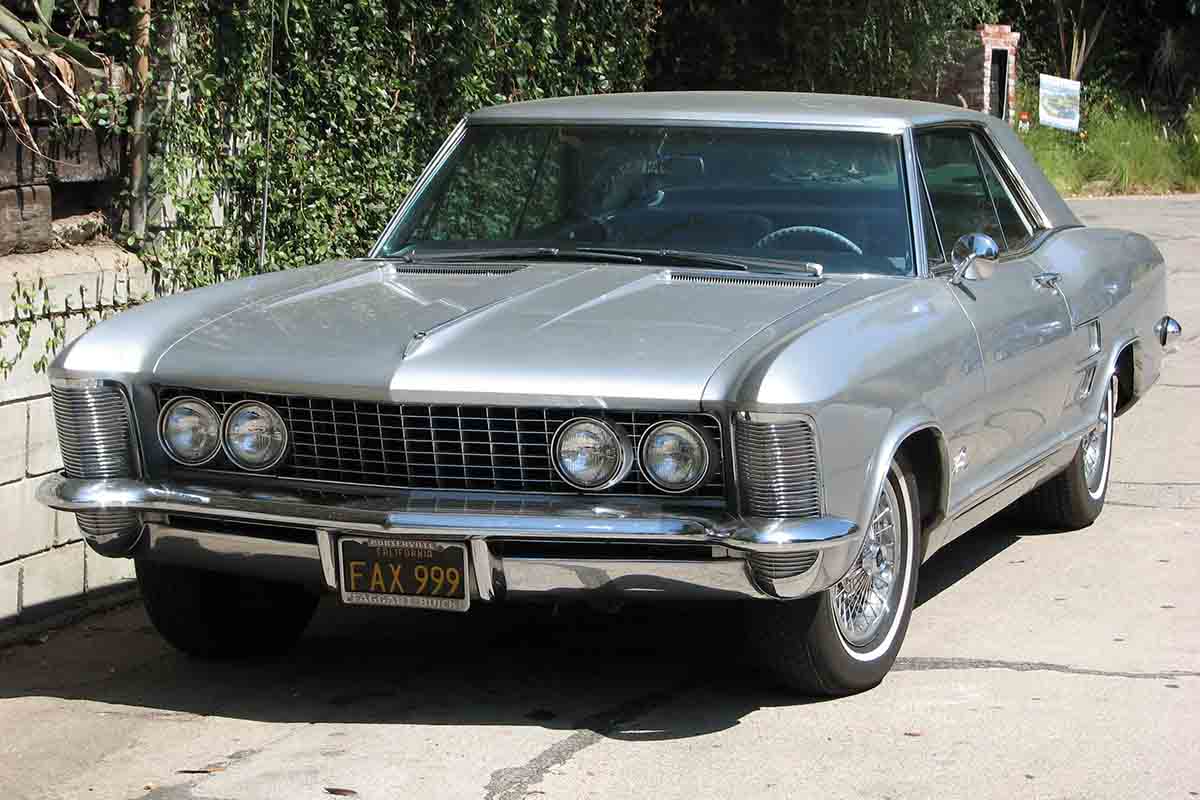
These mid-mod two-doors look like nothing else that ever went down the road.
The 1963 models will be more affordable than later, especially if they’ve got the dual-quad carburetor.
Put a sparkly paint job on it, and you’ll definitely turn heads when you cruise down the highway.
First Generation Ford Bronco
As Ford released the newest iteration of the Bronco, the vintage models have become hot commodities.
If you can find a First Generation Bronco, it will have a model year between 1966 and 1977.
Ford made the fewest in 1975, so those tend to be valuable. But any special editions, like the roadsters, can be valuable, too.
Any late 60s muscle car
If you’re collecting cards, you’ve got to get your hands on a classic muscle car from the late 1960s.
Consider options like the Plymouth Road Runner with a Hemi, a 1967 Pontiac Firebird, a late 60s Chevy Chevelle, a Dodge Challenger, or a Camaro.
These cars had it all: speed, looks, and power.
No car collection is complete without at least one of them.
A European two-door convertible roadster
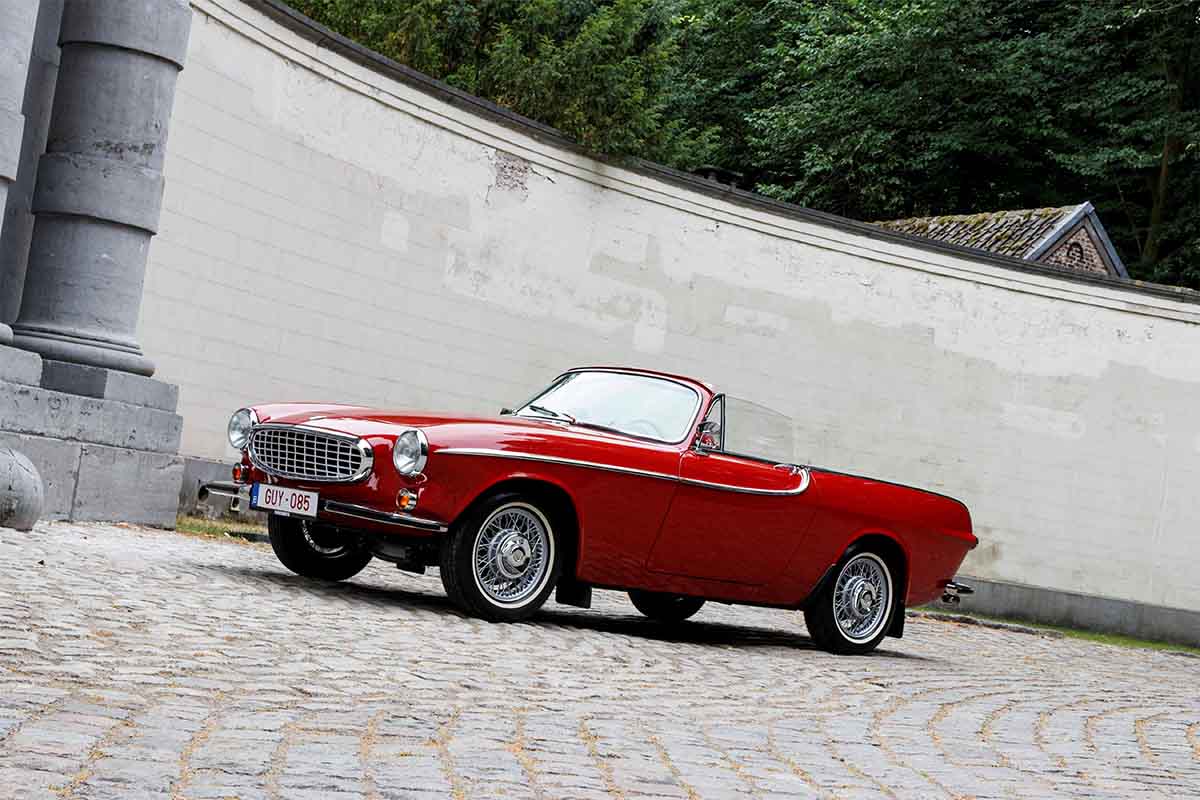
Collectors who are just getting started can find good value from little two-door European coupes.
The Triumph Spitfire, Alfa Romeo Spider, MG MGB, Mercedes-Benz SL, Jaguar E-Type, or Fiat Spider.
Of course, some are a bit more expensive simply because of the name, but any of these are good starter roadsters for a vintage car collector.
A Packard from the 1950s
Some of the most iconic classic cars come from automakers who have long since disappeared from the new-car marketplace.
Packard is one of them. These solidly durable vehicles are the 1950s personified, and they are relatively easy to find.
These cars are also easy to care for as Packard owners take pride in helping each other maintain their collections.
A pickup truck car
Another hot commodity for car collectors is hybrid pickup cars, like the Ford Ranchero or Chevy El Camino.
If you want to look for a rarity, check out the Cadillac Mirage. People will stop and stare at these 1970s Hollywood icons.
Wrap Up
The future could make classic car collecting more interesting, not less.
Twenty years from now, the rarest thing about an old Porsche, Mustang, Alfa Romeo, or Mercedes may not be the badge on its hood.
It could be the experience of operating a machine that asks you to do almost everything yourself.
Modern vehicles are moving toward more driver assistance, software-controlled functions, continuous connectivity, and electrification.
Future generations may grow up expecting cars to correct mistakes, plan routes, monitor surroundings, and automate more of the journey.
That changes what a vintage vehicle can represent.
- A manual gearbox may become an unusual skill rather than an everyday choice.
- Mechanical engine sounds may feel increasingly foreign in quieter electric cities.
- Physical gauges, switches, and controls could become part of the attraction precisely because they aren’t digital.
- Weekend drives and classic car gatherings may become places where people experience older forms of driving firsthand.
- Knowledge once considered ordinary—understanding an engine by its sound or feeling what the car is doing through the steering wheel—could become specialist enthusiast knowledge.
That creates an intriguing possibility for the next generation of collectors: the most desirable cars may not always be today’s most expensive ones.
Some could become sought after because they preserve an experience that quietly disappeared from everyday life.
So when considering the next addition to your classic car collection, look beyond today’s rankings and auction headlines.
Ask yourself something more interesting: What about driving today might people no longer be able to experience 30 years from now?
That question could lead you toward a very different, and far more personal, collection.