

Foods and Vitamins That Can Help You Stay Healthy During Winter
✨ Key Points
- A varied diet supports normal immune function but cannot prevent every illness.
- Food should generally be the first source of essential nutrients.
- Supplements should be selected according to individual needs and medical guidance.
Winter often brings more time indoors, less sunlight, and increased exposure to seasonal respiratory illnesses.
A balanced diet can support normal immune function, but no individual food, vitamin, or supplement can guarantee that you will avoid colds or influenza.
A practical approach to enriching your diet includes:
- Colourful fruits and vegetables;
- Whole grains and legumes;
- Protein-rich foods;
- Nuts and seeds;
- Fatty fish and fortified foods;
- Sufficient water throughout the day;
Vitamins A, C, D, and E, along with minerals such as zinc and selenium, all contribute to normal immune function.
However, the National Institutes of Health explains that immune health is complex, and taking more than the recommended amount does not necessarily provide greater protection.
Nutrition is only one part of winter wellness.
The CDC also recommends staying current with seasonal vaccinations, washing your hands, improving indoor air quality, and avoiding close contact with others when sick.
This guide explores nutrient-rich winter foods, important vitamins and minerals, and when professional advice may be necessary before taking supplements.
Honey
Honey is one of the healthiest and most delicious aliments in the world.
It is impossible to list all the benefits it has for the human body. Raw honey is a powerful antiseptic and antibiotic. In some cultures, it is even used to heal wounds.
You can relieve sore throat if you let a spoon of honey melt in your mouth.
Remember to use only wooden or plastic spoons! Furthermore, honey is a rich source of antioxidants and vitamins.
Nuts
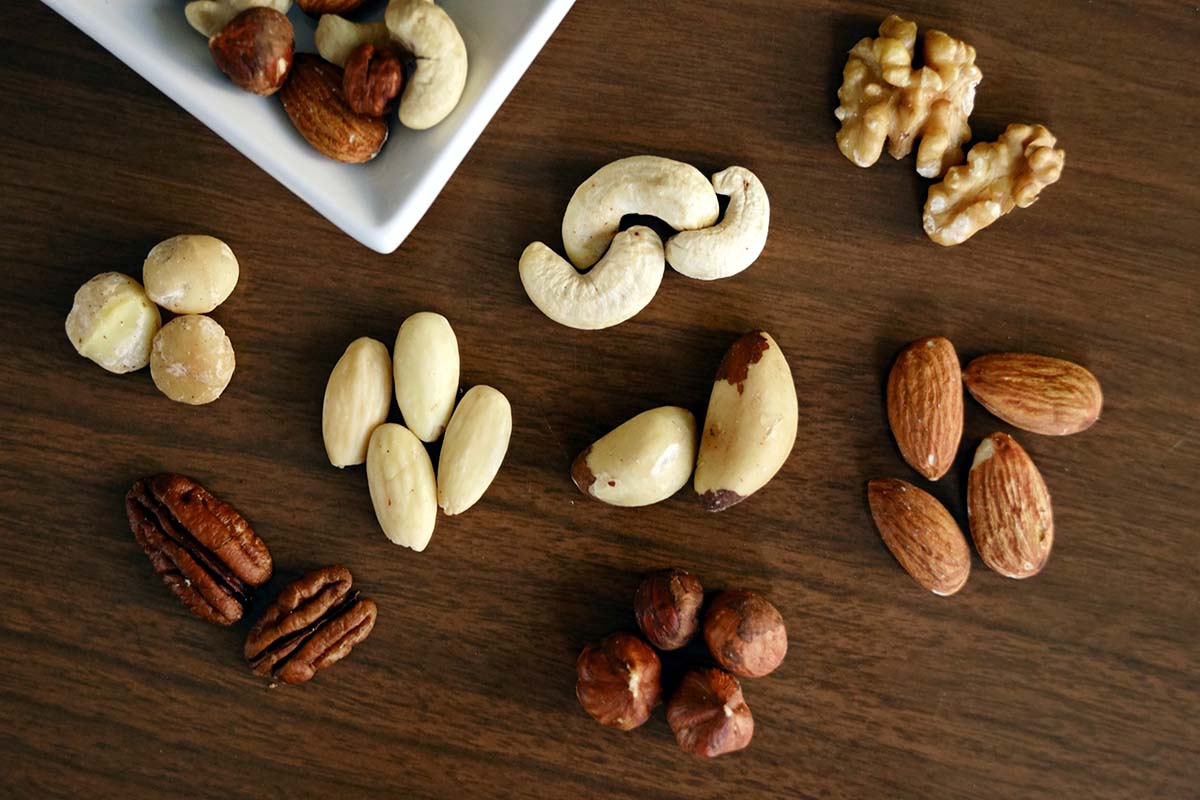
Apart from being a great snack idea, nuts are little healthy bombs.
They are packed with proteins and healthy fats, which are necessary for proper immune system function.
So much so that you should be careful with the amount of intake.
For example, Brazilian nuts are super tasty and healthy, but eating more than 3 of those nuts a day can cause selenium overdose.
Root Vegetables
Although you can find summer vegetables (tomatoes, cucumbers, peppers) in the supermarkets during winter, it is better not to buy these.
If it’s not their season, you know they have grown artificially and are full of additives.
Therefore, it is better to search for carbohydrates and starch in carrots, potatoes, sweet potatoes, and beets.
Vitamin C
The star among vitamins, the body needs Vitamin C to repair tissue damage, keep the nervous system healthy, and maintain the protective capacity of the skin.
Other than supplements, it can be found in potatoes, broccoli, and citrus fruits.
Vitamin A
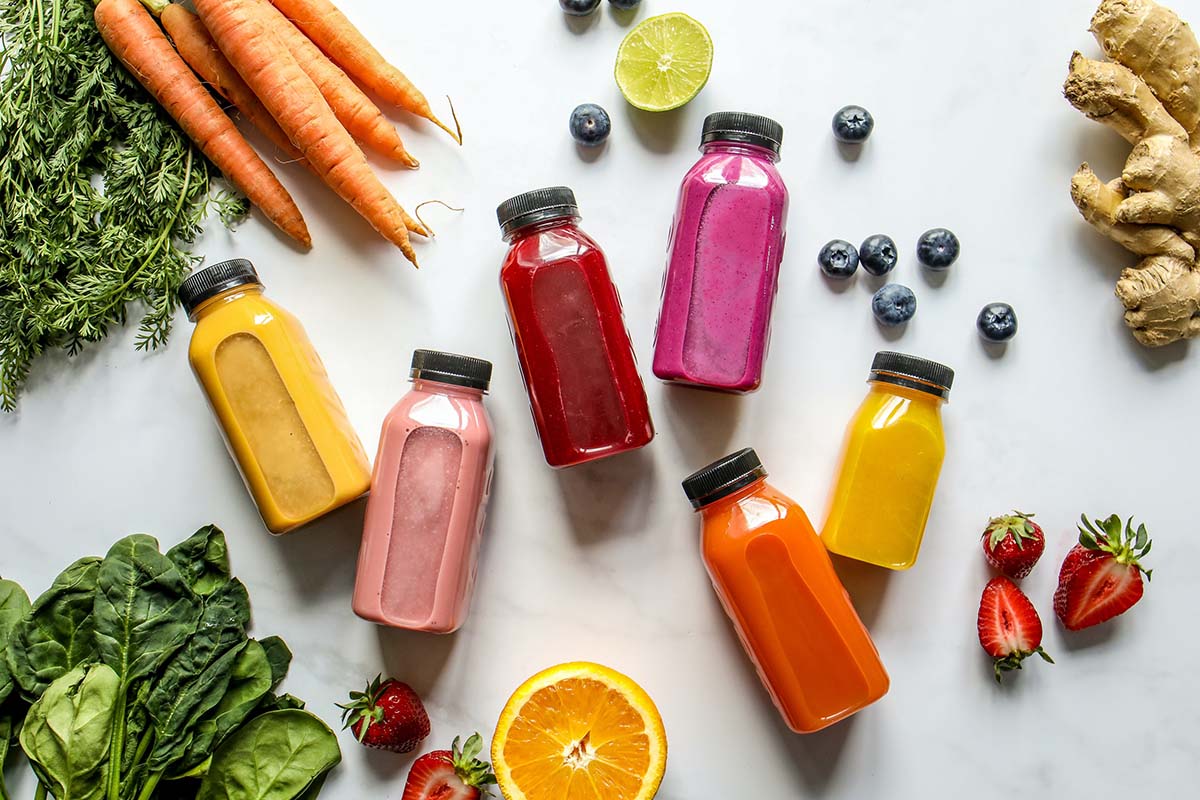
The uninterrupted intake of Vitamin A is crucial for the health of our bones and teeth, but also our immune system.
You can find it in spinach (Popeye knew what he was doing!), fish, and dairy.
Vitamin D
Naturally, the body synthesizes the Vitamin D in the skin, in the presence of sunlight and UV radiation.
You can imagine that the body is in trouble during winter: there’s not much sun and even if it’s there, we are wrapped up to our noses.
So, help your body by eating more fatty fish, cheese, and eggs.
Zinc
There are many reasons our bodies need zinc during the whole year, and especially during winter.
It is a powerful antioxidant and helps with the immune system, hormonal balance, and digestion.
Look for it in pumpkin seeds, beans, and seafood.
Iron
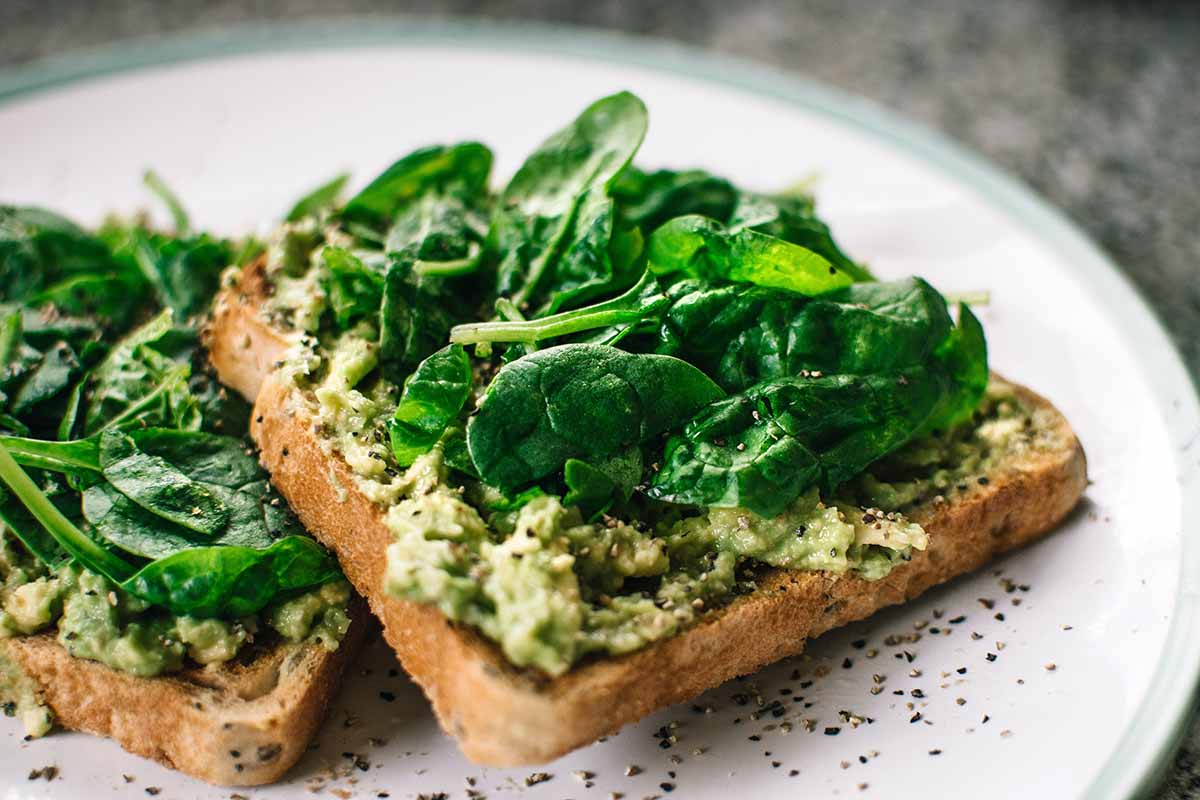
Iron has this name for a reason.
On the one hand, it is the reason why the blood tastes like metal, and on the other, it is the precondition of overall strength and resistance to disease.
There is a lot of iron in dark leafy vegetables (spinach again, folks!), dried fruit, and lentils.
Because they can be found in meat, iron and vitamin D are usually to be found in the best vegan multivitamin packages.
Conclusion
Healthy winter eating is not about finding one “superfood” that prevents illness.
It is about creating repeatable habits that support your body throughout winter and beyond.
For women over 40, a varied diet containing sufficient protein, fibre, calcium, vitamin D, and healthy fats can offer meaningful benefits:
- Support muscle strength and healthy aging.
- Help protect bone health as menopause approaches.
- Promote digestion and more stable energy.
- Support heart and metabolic health.
- Make it easier to maintain a healthy weight without restrictive diets.
- Provide comforting routines during darker, colder months.
Warm soups, ginger tea, and green tea can contribute to hydration and make winter meals more enjoyable, but they do not cure or prevent influenza.
Dress in adjustable layers, remain physically active, sleep consistently, and stay current with recommended health screenings and vaccinations.
Nutritional needs can change during perimenopause and menopause.
Before adding vitamin D, iron, calcium, or other supplements, discuss testing, dosage, medications, and possible interactions with a healthcare professional.
The real goal is not perfect winter immunity.
It is building simple habits that help you feel stronger, more energetic, and better prepared for everyday life after 40.