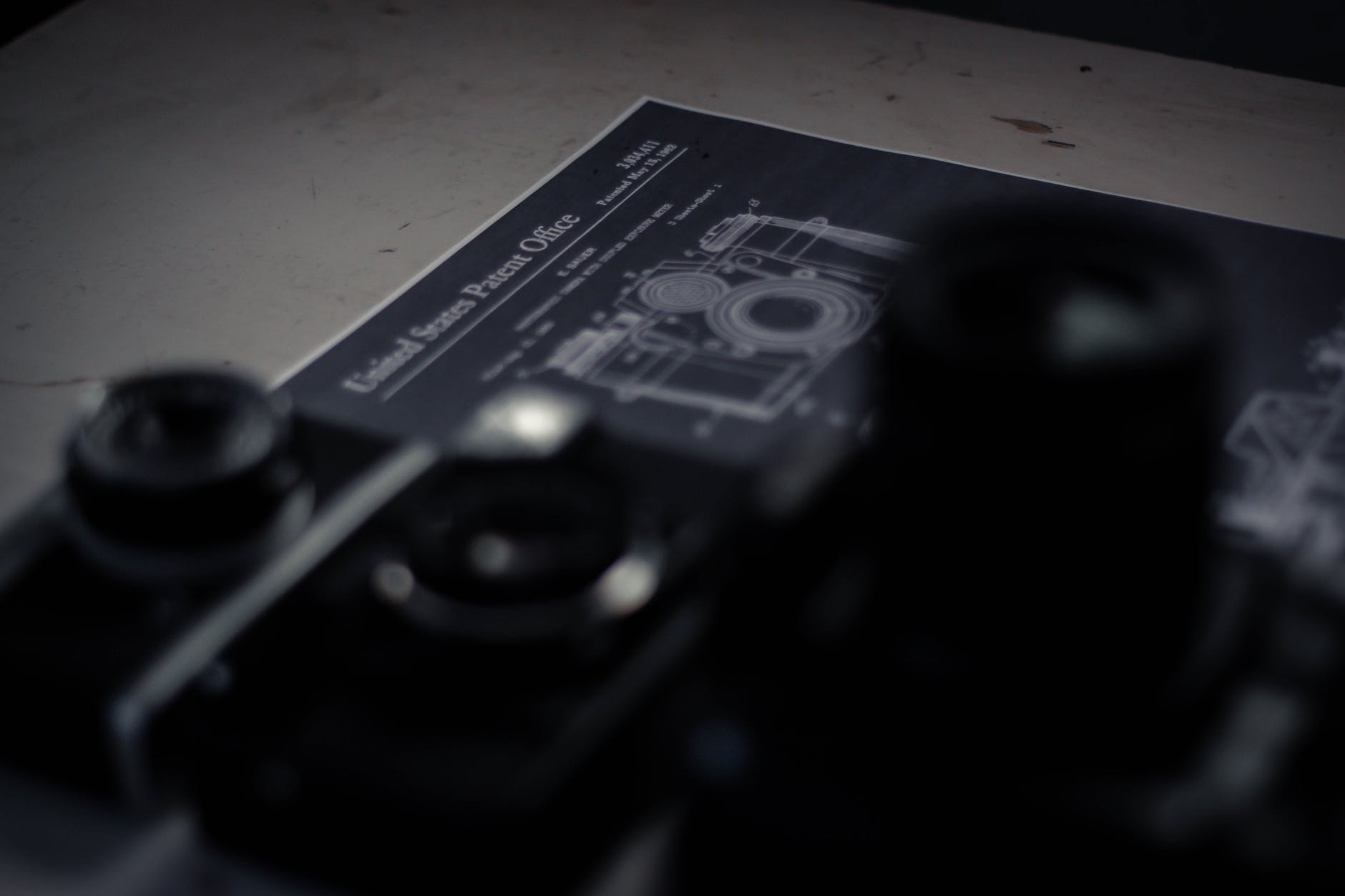
Why Patents, Trademarks, and Copyrights Matter More Than Ever
✨ Key Points
- Patents, trademarks, and copyrights help protect original ideas, branding, inventions, and creative work.
- Intellectual property industries support millions of jobs and trillions of dollars in the U.S. economy.
- Legal protection is increasingly important in today’s digital world where copying and online content theft are common.
In today’s digital economy, protecting original ideas has become one of the biggest challenges for creators, startups, artists, and businesses.
From AI-generated content and online branding to inventions and digital products, intellectual property protection plays a major role in helping people secure ownership of what they create.
In the United States alone, industries connected to intellectual property support more than 47 million jobs and contribute trillions of dollars to the economy each year.
At the same time, online copying, counterfeit products, and digital content theft continue to grow rapidly, making legal protection more important than ever for modern businesses and creators.
Patents, trademarks, and copyrights help protect:
- Business names, logos, and brand identity;
- Inventions, technologies, and product ideas;
- Creative work such as books, music, videos, and digital content;
- Original designs, artwork, and online media;
Without intellectual property protection, creators risk losing control over their work, revenue opportunities, brand trust, and competitive advantage.
Whether you are building a startup, creating online content, launching an ecommerce brand, or developing new technology, understanding how these protections work is now a critical part of long-term business growth.
What Are Patents And How Does It Work?
Patents are intellectual property that gives the owner exclusive rights to make, use, and sell an invention for a certain period.
The patent system was created in 1790 by the U.S. Constitution to encourage innovation by giving inventors an incentive to disclose their inventions to the public.
To get a patent, an inventor must describe the design in a patent application and submit it to the U.S. Patent and Trademark Office (USPTO).
The USPTO examiners will review the application to make sure that it meets all of the requirements for a patent.
If it does, the USPTO will issue a patent which will give the inventor the exclusive right to make, use, and sell the invention for 20 years from the date of issuance.
What are Trademarks, And How Does It Work?

A trademark is a recognizable symbol, word, or phrase used to identify the goods or services of one company from those of another.
✨The purpose of trademarks is twofold: they allow consumers to quickly and easily identify the source of a product or service.
They give businesses an exclusive right to use that mark in connection with their products or services.
✨There are three types of trademarks: words, logos, and slogans. A word trademark is a name or phrase used to identify a product or service.
A logo trademark is a symbol, such as the Nike swoosh, used to identify a product or service.
And finally, a slogan trademark is a short phrase, such as “Just do it,” that is used to identify a product or service.
A trademark must be unique and not too similar to any other marks in use to be registered.
The USPTO reviews applications for similarity to existing trademarks and will refuse an application if it finds that the mark will cause consumer confusion.
Copyrights And How It Works
When artists create a work, they automatically have copyright protection in the United States.
This is because copyright law gives the creator of a copyrighted work exclusive rights to control its use.
This means that no one else can reproduce, distribute, perform or display the copyrighted material without express written consent from the copyright holder.
Copyright infringement occurs when someone uses a copyrighted work in a way that violates the creator’s exclusive rights.
This can be as simple as copying a song without permission or uploading someone else’s video to YouTube without their consent.
Copyright infringement is a serious offense resulting in civil and criminal penalties, including monetary damages and imprisonment.
Your business attorney can help you protect your copyrighted material and enforce your rights if they are violated.
In conclusion, patents and copyrights are essential tools that help protect creators’ intellectual property and promote innovation.
Therefore, we should do everything we can to protect them from continuing to reap the benefits they provide.