

6 Plants With Surprising Health and Wellness Benefits
✨ Key Points
- Plants can support health through nutrition, plant-derived compounds, traditional remedies, and everyday contact with nature. Their benefits depend on the species, preparation, dosage, and quality of available evidence.
- Some plants may support sleep, relaxation, skincare, or wound care, but they should not replace professional medical treatment. Herbal products can produce side effects and interact with medications.
- Houseplants can improve the atmosphere and emotional appeal of a room, but they are not substitutes for ventilation or proven air-quality controls. Their strongest everyday benefits may come from beauty, routine, and a closer connection to nature.
“In some Native languages, the term for plants translates to ‘those who take care of us.’” — Robin Wall Kimmerer, Braiding Sweetgrass
Plants are best known for producing oxygen and providing food, but their relationship with human health goes much deeper.
Plant compounds are widely used in nutrition, cosmetics, traditional remedies, and modern pharmaceutical research.
Depending on the species and how it is used, a plant may offer potential benefits such as:
- Supporting relaxation or better sleep;
- Helping reduce certain symptoms of stress or anxiety;
- Soothing minor skin irritation;
- Supporting wound care;
- Providing antioxidant or anti-inflammatory compounds;
- Adding moisture, beauty, and a connection to nature within the home.
However, “natural” does not automatically mean safe or medically effective. Research supporting herbal remedies varies, and some plants can cause allergies, toxicity, or dangerous interactions with medication.
The National Center for Complementary and Integrative Health recommends evaluating both the evidence and safety of herbal products.
Claims that ordinary houseplants significantly clean indoor air should also be viewed cautiously.
Laboratory studies have produced promising findings, but the EPA states that a reasonable number of houseplants does not remove substantial quantities of pollutants from real homes or offices.
Ventilation and pollution-source control remain more effective.
Below are six plants with unexpected health and wellness benefits, including what the research suggests, how people commonly use them, and the precautions to consider.
Plants With Health Benefits: Aloe Vera
Aloe vera is best known for its cooling, soothing effect on minor skin irritation and sunburn.
Its gel is also included in many cosmetic products designed for:
- Moisturizing dry skin;
- Soothing irritation;
- Supporting acne treatment;
- Promoting burn healing;
- Reducing signs of skin aging;
Clinical research suggests that topical aloe gel may help accelerate the healing of some burns and reduce burn-related pain.
However, it can occasionally cause burning, itching, or a rash, so test a small area before broader use.
Aloe vera may also have less familiar benefits:
- Blood-sugar support: A 2016 systematic review suggested that oral aloe preparations might help regulate blood glucose in people with prediabetes or type 2 diabetes. However, the evidence remains limited, and aloe should never replace prescribed diabetes medication.
- Oral health: Research suggests that aloe vera mouthwash may reduce plaque accumulation and gingival inflammation. However, a systematic review found the overall evidence promising but inconclusive, so it should complement—not replace—brushing, flossing, and professional dental care.
Topical aloe gel is generally well tolerated, but consuming aloe requires greater caution.
Aloe latex can cause abdominal cramps and diarrhea, and oral products may interact with medication or lower blood sugar too much.
Anyone taking diabetes medication, pregnant, breastfeeding, or managing a health condition should consult a healthcare professional before consuming aloe products.
Plants With Health Benefits: Lavender
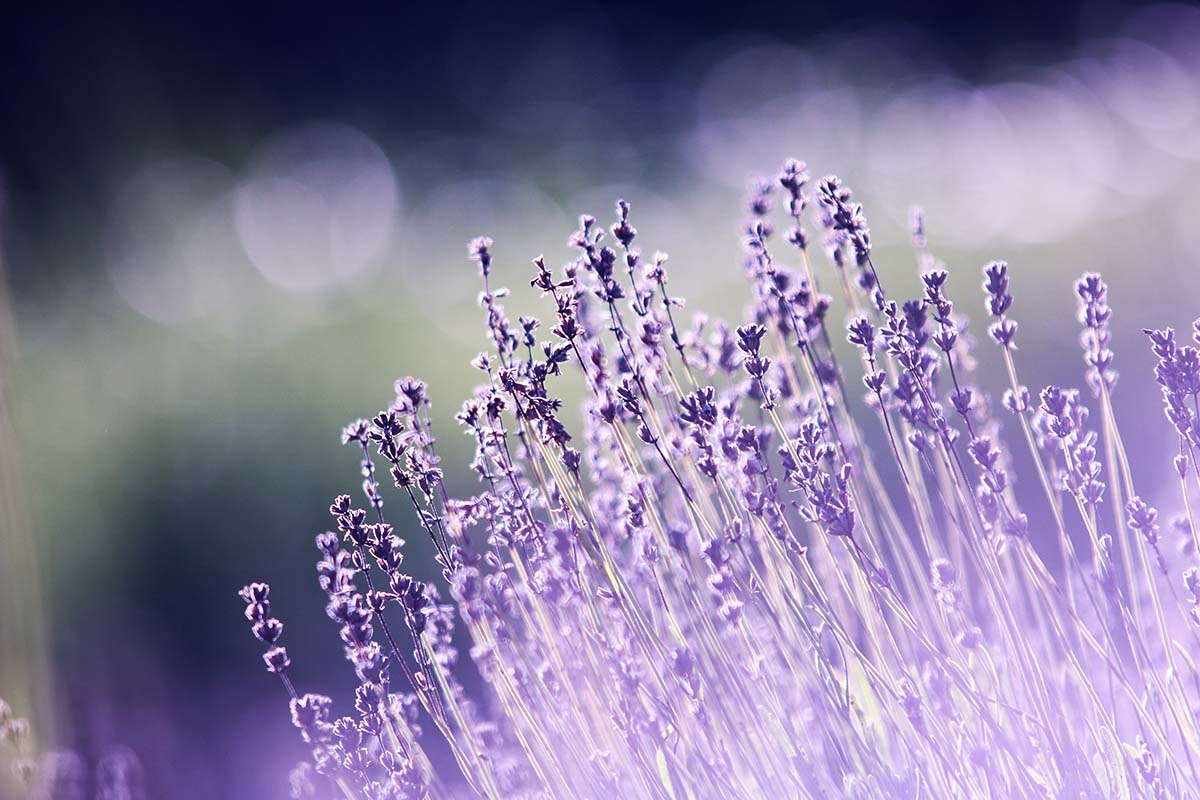
Lavender is known for its charming fragrance and is one of the most commonly used essential oils in aromatherapy.
Its scent is widely associated with relaxation and is promoted for stress, anxiety, depression, fatigue, headaches, sleep problems, nausea, and motion sickness.
Research suggests several possible benefits:
- Stress and anxiety: Some studies suggest that specific oral lavender-oil products may reduce anxiety, although the evidence has limitations.
- Sleep: Lavender aromatherapy may help some people relax before bed, but evidence that it treats insomnia remains inconclusive.
- Menstrual cramps: Small studies suggest that inhaled lavender or abdominal massage with diluted lavender oil may reduce menstrual pain. It is unclear how much of the effect comes from lavender versus the massage itself.
- Nausea and motion sickness: Lavender’s calming scent may provide comfort, but evidence supporting it as a reliable treatment remains limited.
- Skin care: Lavender contains compounds with antioxidant, anti-inflammatory, and antimicrobial properties. It is included in products marketed to nourish skin, calm inflammation, combat acne, and diminish sunspots, but strong clinical evidence for these cosmetic claims is still limited.
Although lavender shows antimicrobial activity in laboratory research, essential oil should not replace proper antiseptic treatment for cuts or wounds.
Never apply undiluted essential oil directly to the skin or an open wound.
Dilute it with a carrier oil and test a small area first, as lavender may cause irritation or an allergic reaction.
Lavender may support relaxation and general well-being, but it should not replace professional treatment for anxiety, depression, insomnia, persistent headaches, severe menstrual pain, or skin conditions.
Plants With Health Benefits: Ginkgo
Ginkgo (Ginkgo biloba) is a tree native to China whose leaves have long been used in traditional Chinese medicine.
Today, standardized ginkgo leaf extracts are promoted for:
- Memory and cognitive function;
- Blood circulation;
- Anxiety and depression;
- Headaches and migraines;
- Dementia and Alzheimer’s disease;
However, these claims are not equally supported by evidence.
A large NCCIH-funded study found that ginkgo did not prevent dementia or Alzheimer’s disease or slow cognitive decline.
Research into its other potential benefits remains mixed, so ginkgo should not replace prescribed treatment.
Possible side effects include headache, dizziness, nausea, constipation, stomach discomfort, and allergic reactions.
Ginkgo may also increase bleeding risk and interact with blood thinners and other medications.
Consult a healthcare professional before taking a ginkgo supplement, especially if you use medication, have a bleeding disorder, or are preparing for surgery. Avoid consuming raw or roasted ginkgo seeds, which can be toxic.
Plants With Health Benefits: Daisy
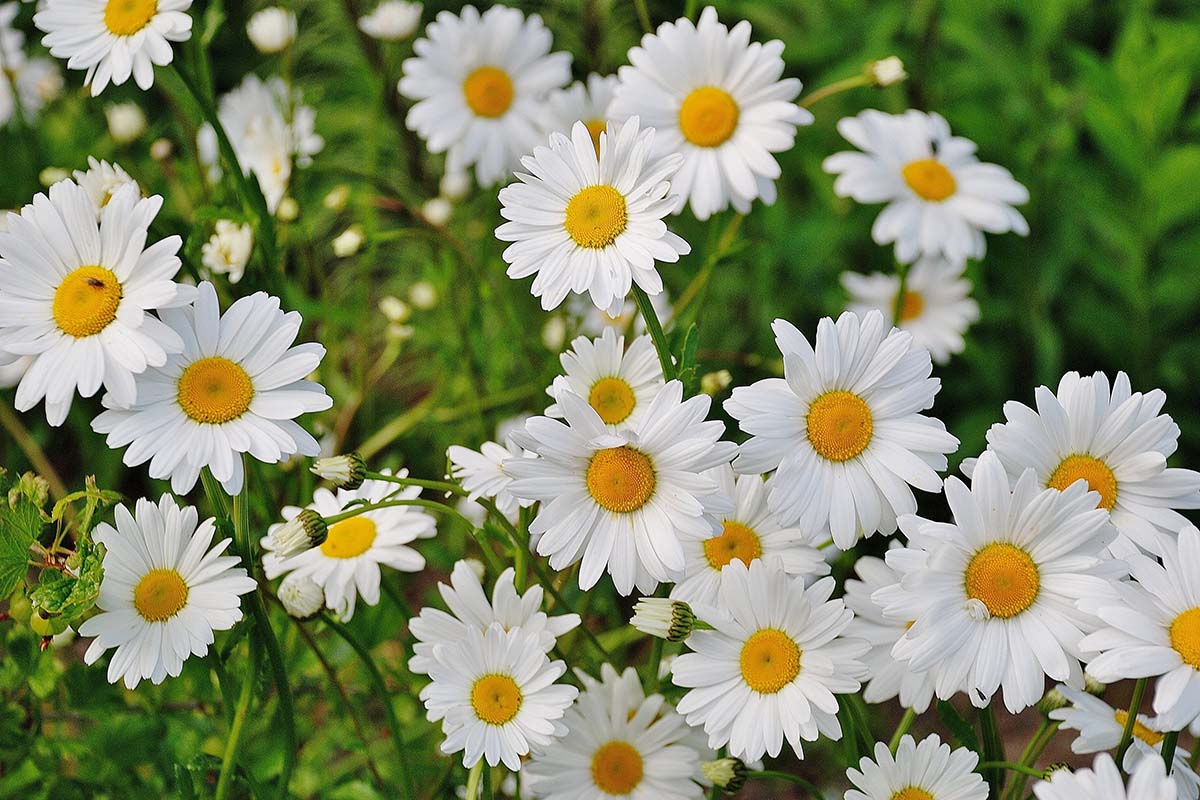
Daisies symbolize purity and are used in some cosmetic products for skin brightening and reducing the appearance of sunspots.
Common daisy (Bellis perennis) extracts contain compounds with antioxidant, anti-inflammatory, and antimicrobial properties.
Traditional herbal medicine has used daisies for:
- Colds, coughs, and bronchitis;
- Digestive support and appetite;
- Fever and muscle spasms;
- Minor wounds and skin inflammation.
However, most evidence comes from traditional use, laboratory research, or animal studies rather than strong human clinical trials.
Do not apply homemade daisy preparations to open wounds or use them to treat respiratory or digestive conditions without medical guidance.
People allergic to plants in the daisy family may also experience a reaction.
Plants With Health Benefits: Spider Plant
The spider plant (Chlorophytum comosum) is one of the most recognizable indoor plants and is native to tropical and southern Africa.
Its name comes from the small plantlets that hang from long stems like spiders suspended from a web.
NASA experiments found that spider plants could remove formaldehyde from the air inside sealed test chambers.
However, these laboratory findings do not mean that one or two plants will substantially purify the air in a typical home.
The EPA states that a reasonable number of houseplants cannot remove significant quantities of indoor pollutants.
Ventilation and removing pollution sources remain more effective.
Spider plants may still provide valuable wellness benefits:
- Add greenery without demanding complicated care;
- Make rooms feel calmer and more welcoming;
- Encourage a connection with nature;
- Support relaxation and mental restoration;
Studies of hospital rooms containing ornamental plants, not spider plants specifically, found that some patients reported less anxiety, fatigue, and discomfort.
These findings suggest that indoor greenery may support emotional well-being, but plants should not be described as directly accelerating medical recovery.
Plants With Health Benefits: Peace Lily

Peace lilies have elegant white flowers and require relatively simple care, making them a popular indoor plant.
Laboratory studies suggest they can absorb pollutants such as benzene, carbon monoxide, formaldehyde, and acetone vapor under controlled conditions.
However, a peace lily will not meaningfully purify the air in an average home.
The EPA states that a reasonable number of houseplants cannot remove significant amounts of indoor pollutants. Ventilation, repairing leaks, and controlling pollution sources remain more effective.
Peace lilies can still provide reasonable everyday benefits:
- Add color and natural beauty to a room;
- Make bathrooms and kitchens feel calmer and more welcoming;
- Tolerate lower-light conditions;
- Support a relaxing plant-care routine;
- Help people feel more connected to nature;
Peace lilies release some moisture through transpiration, but they cannot control excessive household humidity, remove airborne mold spores, or prevent mold growth. In fact, overwatered soil may encourage microorganisms.
Use ventilation, exhaust fans, dehumidifiers, and leak repairs to manage moisture.
Keep peace lilies away from children and pets because chewing the plant can cause painful mouth and digestive irritation.
How Plants Can Reasonably Support Everyday Wellness
Plants are sometimes described as positive-energy diffusers because their color, texture, and connection to nature can make a space feel more peaceful.
Their most realistic benefits do not come from treating illnesses or replacing air purifiers.
They come from improving the way a home feels and encouraging small, restorative habits.
Living with plants may help you:
- Create a calmer and more attractive environment;
- Develop a meaningful daily-care routine;
- Spend more time observing and connecting with nature;
- Add life to workspaces, bedrooms, and shared rooms;
- Grow herbs or edible plants that support home cooking;
- Experience satisfaction as a plant grows under your care;
Plants provide nutrition, ingredients used in medicine and cosmetics, and opportunities to reconnect with the natural world.
However, nature-based solutions should be supported by reliable evidence and used safely, not treated as automatic replacements for medical care, ventilation, or professional treatment.
Choose plants for benefits they can reasonably provide: beauty, routine, nourishment, curiosity, and a stronger relationship with the living environment around you.
For more health and wellness information, visit Ever Healthcare.