
Electric Cars vs. Petrol Cars in Seattle: What Actually Makes Sense for You?
🔑 Key Points
- Seattle’s clean electricity makes EV cost-per-mile especially competitive.
- Home charging access is the biggest convenience factor.
- Battery chemistry (LFP vs. NCM) directly affects charging habits and longevity.
In Seattle, this question is no longer theoretical.
With Washington State moving toward a 2035 phase-out of new gas vehicle sales and EV adoption accelerating across King County, choosing between an electric and petrol car now has financial, regulatory, and infrastructure implications.
Electric vehicles are no longer niche.
In 2026, buyers aren’t asking whether EVs work — they’re comparing total cost of ownership, charging compatibility (NACS vs. CCS), battery chemistry (LFP vs. NCM), and federal tax credit eligibility under the Inflation Reduction Act.
If you live in Seattle, your decision is shaped by three local realities:
A hydropower-dominant electricity grid (lower per-mile charging costs;)
Expanding public charging infrastructure;
Policy momentum toward zero-emission vehicles;
The better choice depends on how and where you drive.
The Pros and Cons of Electric Cars
Electric vehicles offer several clear advantages, especially in a city like Seattle.
First, they produce zero tailpipe emissions.
Because Seattle City Light’s electricity supply is largely hydro-based, charging an EV here typically results in a lower lifecycle carbon footprint compared to charging in coal-heavy states.
Second, EV operating costs are often lower over time.
Electricity is generally cheaper per mile than gasoline in Washington State, and EVs require less routine maintenance — no oil changes, fewer moving engine components, and reduced brake wear due to regenerative braking in stop-and-go Seattle traffic.
However, EV ownership also requires planning.
Charging takes longer than refueling, especially without home Level 2 access. Cold weather can reduce range by 10–25% during winter months. And battery chemistry matters:
LFP batteries tolerate regular 100% charging better.
NCM batteries benefit from staying in an 80–90% daily charging range to preserve long-term health.
Range limitations are less of an issue for typical Seattle commutes, but they can matter for long-distance rural travel.
The key question isn’t whether EVs are “better.” It’s whether your daily driving pattern, charging access, and financial structure align with how EV ownership actually works in 2026.
The Pros and Cons of Petrol Cars
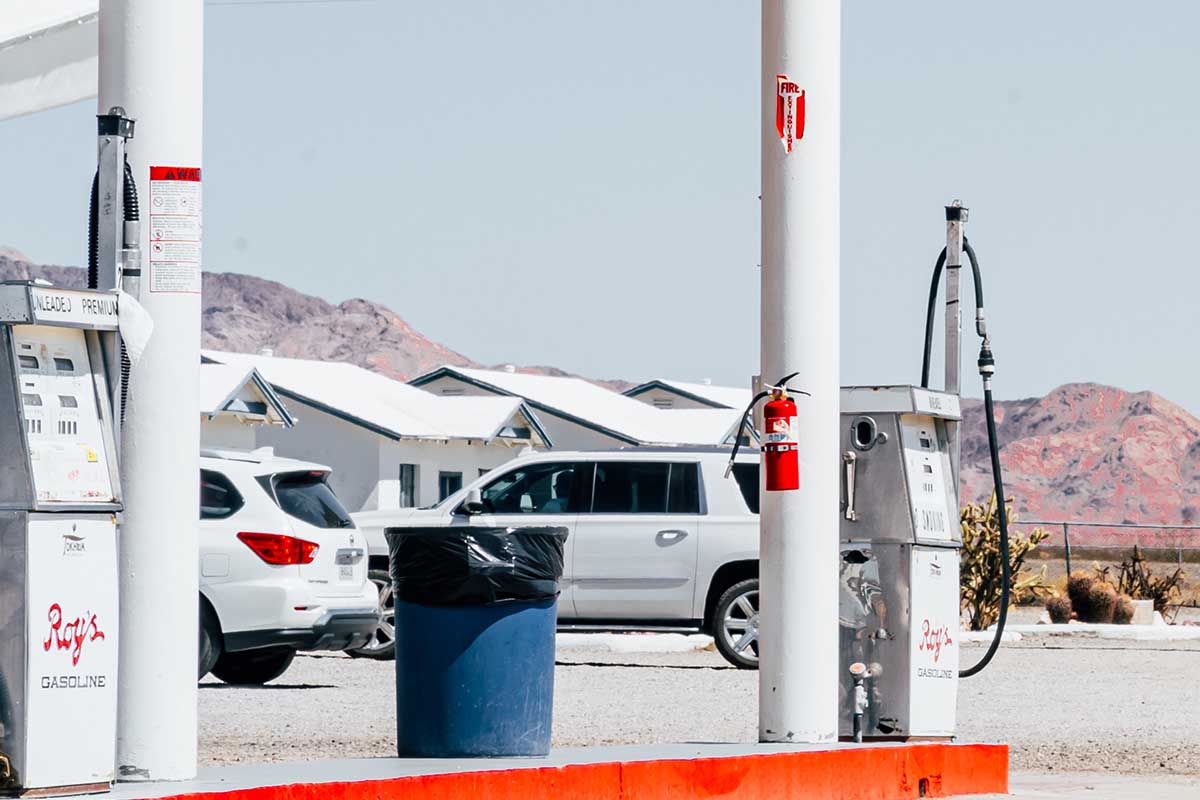
Petrol cars have been the traditional choice for many years, but this option has some drawbacks.
Firstly, petrol cars produce emissions which can damage the environment.
Additionally, they can be pretty noisy, particularly when starting up.
On the plus side, petrol cars tend to be more affordable than electric cars, and they are also more convenient as you can stop at a petrol station to refuel when necessary.
Which is Better for the Environment – Electric or Petrol Cars?
There is no doubt that electric cars are better for the environment than petrol cars as they produce zero emissions.
Electric vehicles also tend to be more energy-efficient than petrol cars, so you can save money on fuel costs in the long run.
Which is More Affordable – Electric or Petrol Cars?
The initial cost of electric cars can be higher than petrol cars, but they are cheaper to run in the long term as you will save money on fuel costs.
Electric vehicles also require less maintenance than petrol cars, so you can save money there too.
If you are thinking of purchasing an electric vehicle, you will need an electric car charger installation in your home.
This will allow you to charge your car quickly and easily.
Several different types of electric car chargers are available, so you can choose the one that is best for your needs.
However, your charging setup should not be chosen in isolation.
It should also align with your vehicle’s modern EV battery chemistry (LFP vs NCM), since charging behavior, ideal state-of-charge limits, and long-term battery health vary depending on which chemistry your vehicle uses.
For example, lithium iron phosphate (LFP) batteries generally tolerate frequent 100% charging better and are often recommended to be charged fully on a regular basis to maintain accurate range calibration.
In contrast, nickel manganese cobalt (NCM) batteries typically benefit from staying within an 80–90% daily charging window to reduce long-term degradation.
Understanding the difference between LFP and NCM chemistry helps you decide not only which charger speed fits your lifestyle, but also how to structure your daily charging habits to protect battery lifespan and maximize real-world range over time.
Which is More Convenient – Electric or Petrol Cars?

Electric cars can take longer to charge than petrol cars, but this depends on the type of charger that you have.
It should take 30 minutes to charge your car if you have a fast charger.
Petrol cars are more convenient if you drive a long distance as you can stop at a petrol station to refuel when necessary.
What are the Future Prospects for Electric and Petrol Cars?
Electric cars are becoming increasingly popular as people become more aware of their environmental benefits.
The initial cost of electric vehicles is falling, and the range is increasing, becoming a viable option for many people.
Electric cars will likely continue to grow in popularity in the coming years. Petrol cars will always have a place on the roads, but their market share is likely to decline as electric cars become more prevalent.
This is particularly true in cities where emissions must be minimal.
Petrol cars will always have a place on the roads, but their market share is likely to decline as electric cars become more prevalent.
This is particularly true in cities where emissions must be minimal. In the future, electric vehicles will likely become the norm as they are more environmentally friendly and cheaper to run in the long term.