Why HIPAA Faxing Still Matters in Healthcare
✨ Key Points
- HIPAA faxing helps healthcare providers securely share sensitive patient information.
- Secure cloud-based fax systems support compliance and reduce privacy risks.
- Fast and protected communication can improve patient care and healthcare efficiency.
In a healthcare environment where patient privacy and fast communication are critical, many medical organizations still rely on HIPAA-compliant faxing every day.
While fax machines may seem outdated to the average person, secure digital and cloud-based fax systems continue to play a major role in hospitals, clinics, pharmacies, insurance companies, and healthcare networks across the United States.
According to the U.S. Department of Health & Human Services, protecting patient health information is a legal requirement under HIPAA regulations, and healthcare data breaches continue to cost organizations millions of dollars each year.
In real-life healthcare situations, even a small communication mistake can delay treatment, expose sensitive patient information, or create compliance risks.
This is one reason HIPAA faxing remains important for healthcare professionals who need to send medical records, prescriptions, referrals, lab results, and insurance documents securely and efficiently.
HIPAA-compliant faxing can help healthcare organizations:
- Protect sensitive patient information during communication;
- Reduce compliance and data privacy risks;
- Quickly share medical records and treatment information;
- Improve coordination between healthcare providers;
- Support secure remote and cloud-based healthcare workflows.
Today’s HIPAA faxing solutions are far more advanced than traditional fax machines.
Many systems now use encrypted cloud technology, secure document tracking, and digital access controls designed specifically for modern healthcare environments.
Must-Have Technology for Healthcare Professionals:The HIPAA Privacy Rule
The authors of the Health Insurance Portability and Accountability Act wanted to protect patients while making healthcare more accessible.
This law was enacted in 1996. However, the HIPAA Privacy Rule was not put into place until 2002.
Health plans, healthcare providers, and healthcare clearinghouses must comply with this rule, which states certain safeguards must be put into place to ensure the privacy of a patient’s protected health information when information is being shared in electronic form.
Furthermore, it limits what a health practitioner can share without the patient’s authorization. Every person retains control over their protected health information and may see their records at any time.
They may also require a covered entity to share this record electronically or make corrections.
Every healthcare facility today that faxes patient information must comply with the Privacy Rule. In addition, they must meet certain requirements when faxing this information. Doing so helps to prevent the unauthorized disclosure of sensitive information.
Fax Machines in Medicine Today
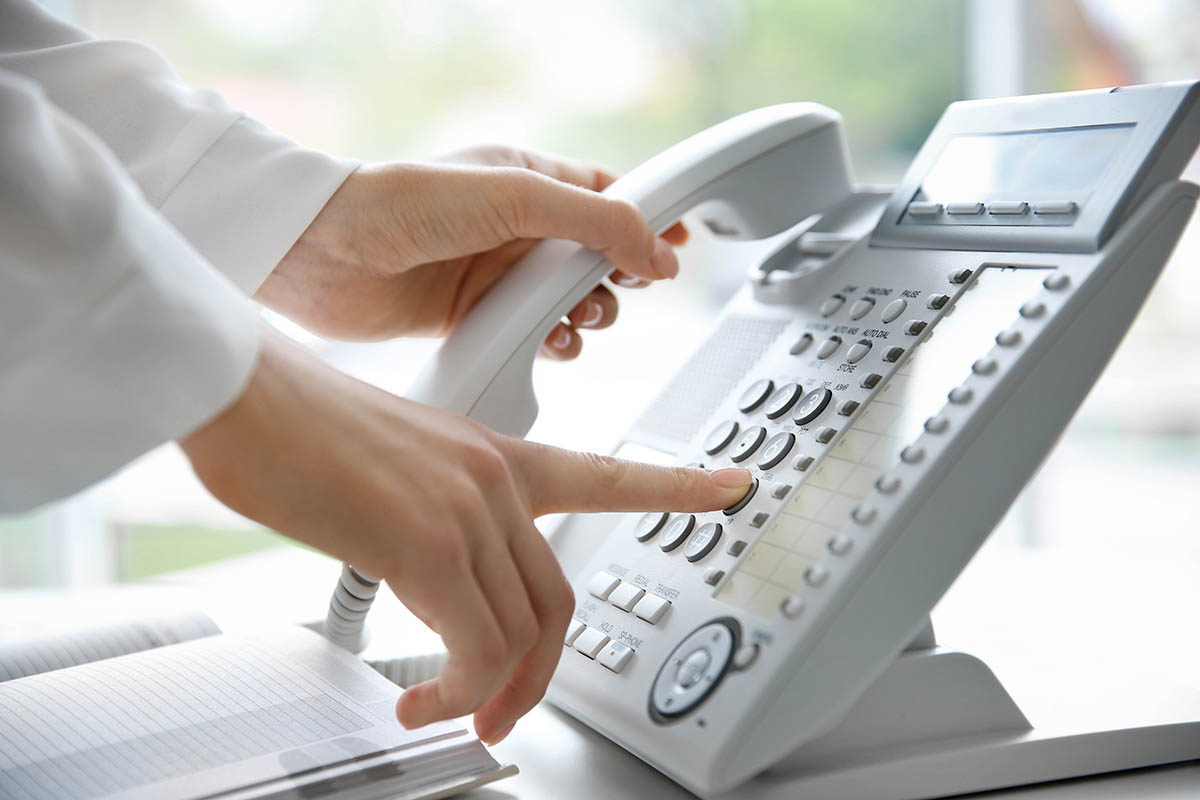
While the first fax machine came out more than a century ago, it wasn’t until the 1960s that healthcare organizations began using them to share medical information between providers.
This allowed the information to be shared quickly, which can be crucial when a person’s health is involved.
However, there was always the risk of human error.
Many things could go wrong when transmitting medical information via fax.
For instance, a person could enter the wrong number, leading this information to arrive at the wrong place.
Machine malfunctions and more could also lead to the intended party not receiving the documents.
When HIPAA was created, it became apparent measures would need to be put into place to prevent these problems.
Patient privacy increased in importance, leading to the need for changes to be made to the fax process.
HIPAA Fax Requirements
Healthcare providers must comply with certain requirements when faxing documents. The following are a few of these requirements.
Secure Location
The fax machine must be stored in a secure location away from the public. This ensures unauthorized parties won’t have access to a patient’s private health information.
Verification of Destination Number
A healthcare provider must verify the number of the recipient before sending any fax. This ensures the information does not end up in the wrong hands. In addition, they must confirm the destination is secure.
Recipient Notification
The recipient must be notified before any documents are sent. This ensures only those authorized to see the documents will receive them. In addition, this notification allows the recipient to secure the documents.
The Inclusion of a Cover Sheet
Every fax must include a cover sheet. This prevents the patient’s information from being seen by anyone other than the intended party. This cover sheet outlines who may see the document.
Security on the Receiving End
The recipient of the fax must immediately secure the information. Store all documents upon receipt to minimize the risk of unauthorized access.
Online Faxing Benefits
Using a conventional fax machine makes it difficult to comply with HIPAA. This has led to an increased usage of online fax services by healthcare providers.
automatically, and the sender receives confirmation of the document’s receipt.
Cloud storage ensures these documents remain secure. However, a HIPAA-compliant fax service must be selected. What benefits come with using this service?
Must-have technology for healthcare professionals: encryption and Security Features
HIPAA-compliant fax services have security measures in place, such as encryption, to ensure documents don’t fall into the wrong hands.
There is no need to purchase ink and paper for a machine or maintain it, as everything is already handled on the computer.
Only one device is needed to complete more tasks.
The process takes little time, and a person can send a fax remotely. In addition, faxes can be retrieved from any electronic device, which means the medical professional can receive a fax while with a patient rather than leaving the room.
The computer stores the faxes, securing them in the process, so the provider always has access to them when they are needed.
Care must be taken, however, when choosing a fax provider.
A violation can be costly. Healthcare organizations could find they are fined $50,000, depending on the severity of the violation. Criminal charges might also be filed, the healthcare provider could lose their license, or the facility could be forced to close.
Using a HIPAA-compliant fax provider significantly reduces the risk of a violation.
These providers complete data transfers in real-time to minimize any risk of unauthorized access.
In addition, they use data encryption to ensure documents remain secure.
Encryption has never been of more importance today, as security breaches remain commonplace. In addition, the provider confirms receipt of the document by the intended party. HIPAA requires this confirmation.
While fax machines have been around since the 1800s, technology has come a long way over the years.
Today, sending and receiving faxes is a viable option for healthcare providers, as there are many security measures in place to safeguard this transfer of data. This ensures a patient’s personal health information remains private.
For this reason, every healthcare provider making use of fax services today must ensure the selected service remains HIPAA-compliant at all times. The risk of a violation is too great for any organization to take on.
Find a HIPAA-compliant provider today to reduce the risk of violations and keep the healthcare professional or organization safe.