Why Hiring a Tree Surgeon Protects Your Trees and Property
✨ Key Points
- Professional assessment identifies genuine risks: A qualified tree surgeon can evaluate dead branches, decay, root movement, storm damage, and structural weakness.
- Tree work is dangerous: Chainsaws, falling timber, and working at height make major pruning or removal unsuitable for inexperienced homeowners.
- Check qualifications and permissions: Verify training, insurance, references, written pricing, and whether local approval is required for protected trees.
A thinning canopy, dead branches, fungal growth, trunk cracks, or a newly leaning tree can be concerning.
However, appearance alone cannot determine whether a tree is unhealthy or likely to fall.
A qualified arborist or tree surgeon can assess its condition, identify potential hazards, and recommend pruning, treatment, monitoring, or removal.
Tree work is not a safe DIY project. The UK Health and Safety Executive reports that, over a recent ten-year period:
- 24 tree surgeons and arborists were killed.
- Nearly 1,400 suffered injuries.
- Chainsaws, falls, and falling trees or branches were leading causes
Arrange a professional inspection if you notice:
- Large dead, cracked, or hanging branches;
- New leaning or movement around the roots;
- Splits, cavities, or decay in the trunk;
- Fungal growth near the trunk or root area;
- Storm damage or broken limbs;
- Branches conflicting with buildings, roads, or power lines.
A responsible tree surgeon should inspect the tree before recommending removal.
Ask for evidence of training, liability insurance, references, a written quotation, and confirmation that waste removal is included.
In the UK, also check whether the tree has a Tree Preservation Order or stands within a conservation area before authorising work.
Professional tree care cannot eliminate every natural risk, but it can help preserve healthy trees, address foreseeable hazards, and protect nearby people and property.
Hiring a Tree Surgeon: The Value of Professional Tree Care
When tree health or safety is in question, hiring a trained professional is safer than attempting major pruning or removal yourself.
A qualified tree surgeon has the knowledge, equipment, and experience to inspect trees, identify risks, and recommend appropriate action.
Hiring a tree surgeon can provide several benefits:
- Early problem detection: Identifying decay, disease, root movement, dead branches, and structural weakness before they become more serious.
- Safe tree work: Using specialist equipment and established procedures for pruning, climbing, and removing dangerous limbs.
- Appropriate pruning: Removing damaged growth without unnecessary cutting or harmful tree topping.
- Professional recommendations: Advising on watering, mulching, planting locations, pest management, and future inspections.
- Ongoing maintenance: Monitoring mature, storm-damaged, or high-risk trees near buildings, roads, and utility lines.
- Controlled tree removal: Removing trees that cannot be preserved and arranging proper disposal of branches and timber.
Before hiring a tree surgeon, verify their training, insurance, references, written quotation, and waste-removal arrangements.
You should also check whether the tree is protected or whether local permission is required before work begins.
A Glimpse into the Services Rendered by a Tree Surgeon
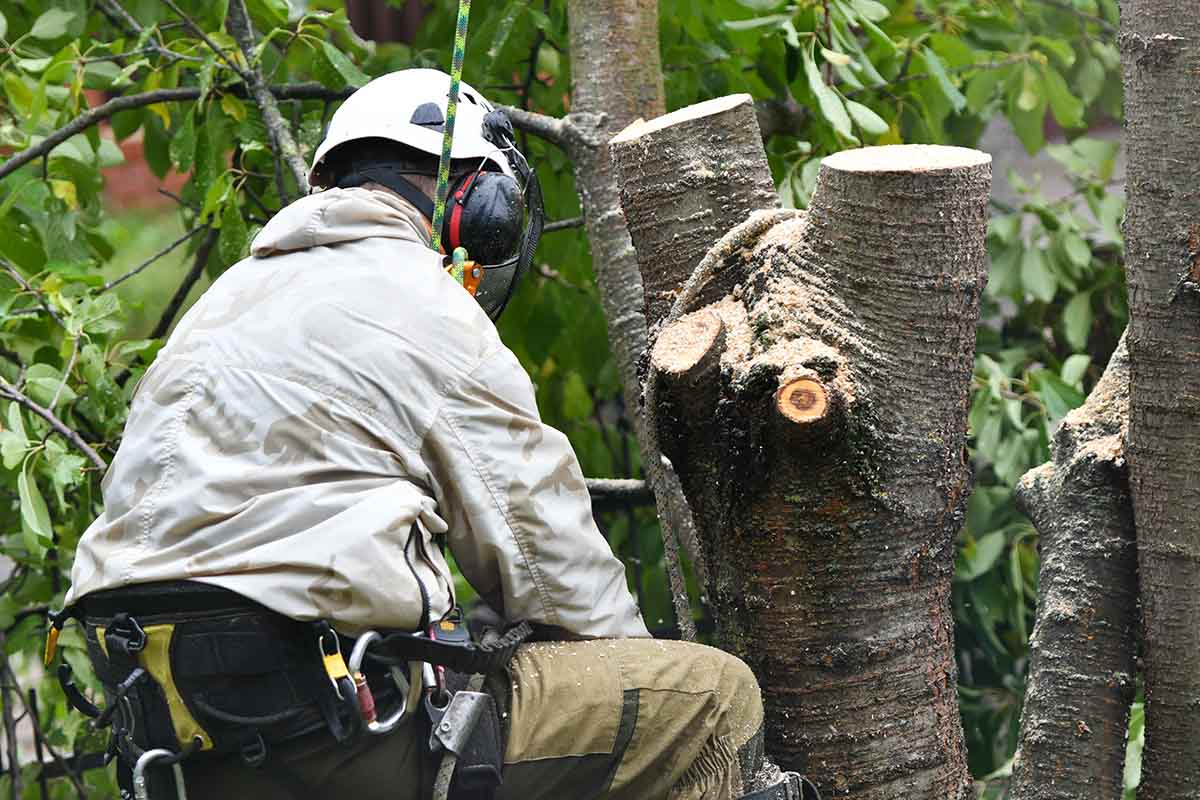
Tree surgeons, professionals in the realm of tree care and maintenance, offer a plethora of services.
Trained in arboriculture – the scientific study and management of trees – they utilize this knowledge to keep trees healthy and secure.
One of the predominant services offered by tree surgeons is tree pruning.
Pruning becomes essential to rid a tree of dead or dying branches and to shape and control its growth.
Tree surgeons employ specialist equipment to prune trees safely, adhering to industry best practices to ensure no detriment to the tree’s health.
Other services include tree removal, stump grinding, and root collar excavation.
Tree removal becomes necessary when a tree poses a threat to people or property or if it’s dying.
Stump grinding eliminates the stump left behind after felling a tree. Root collar excavation is carried out when roots interfere with structures like sidewalks or driveways.
In this process, the tree surgeon removes soil encircling the roots to facilitate their repair or replacement.
If you’re troubled about your trees’ health or safety, don’t hesitate to contact a competent tree surgeon.
These specialists possess the expertise to cater to your trees responsibly, ensuring their well-being and security.
When to Reach Out to a Tree Surgeon?
Regarding your trees’ well-being and safety, playing safe is better. Reach out to a tree surgeon at the earliest sign of trouble.
Some tell-tale indications that your tree might need professional attention include:
- Leaning or falling branches;
- Dead or dying branches;
- Cracks or splits in the trunk or branches;
- Profound wounds or cavities in the box or branches;
- Signs of pests or disease.
Selecting a Tree Surgeon: Factors to Consider
Hiring a tree surgeon is critical to ensure your trees’ health and safety. But how do you select a tree surgeon?
✨Here are some factors to consider: Primarily, ensure the tree surgeon is fully licensed and insured, protecting against any accidents or damages during the work.
Next, seek recommendations from acquaintances who’ve previously employed tree services.
Their feedback can be invaluable in helping you identify proficient surgeons in your locality.
Then, once you’ve gathered potential candidates, scrutinize their websites and read customer testimonials to gauge their work quality.
Lastly, gather multiple quotes to ensure you secure the best value for your investment.
Hiring a Tree Surgeon: Conclusion
Healthy trees provide shade, privacy, wildlife habitat, seasonal beauty, and lasting character for a property.
Understanding the benefits of evergreen trees is especially useful because they can offer year-round screening, colour, wind protection, and shelter for birds.
A qualified tree surgeon can help protect these benefits by:
- Identifying disease, decay, and structural weakness;
- Removing dangerous branches safely;
- Pruning without permanently damaging the tree;
- Recommending treatment before considering removal;
- Protecting nearby people, buildings, and utilities;
- Providing guidance on long-term tree care.
Professional care cannot guarantee that every tree will survive or never fail.
However, it can reduce avoidable risks and give healthy trees a better chance to remain part of the landscape for years.
Hiring a competent, insured tree surgeon is ultimately about more than appearance.
It provides confidence that valuable trees are being preserved where possible, and that genuine hazards are addressed before a falling branch, storm, or hidden defect turns into an emergency.