How to Create a Meaningful Trip: What’s an Itinerary
✨ Key Points
- An itinerary is your travel strategy. It organizes time, budget, and energy before the trip begins.
- Flexibility beats overplanning. The best 2026 itineraries include buffer time and realistic pacing.
- Purpose-driven trips feel more meaningful. Start with why you’re traveling, then build the schedule around it.
If you’ve ever searched how to plan a meaningful trip in 2026, you’ve probably run into one key term again and again: itinerary.
Simply put, an itinerary is your trip’s game plan a structured outline of where you’ll go, what you’ll do, and when you’ll do it.
But in today’s travel landscape, a good itinerary is not about over-scheduling every minute.
It’s about creating a clear, flexible path that supports both logistics and experience.
An effective itinerary helps reduce decision fatigue, control your travel budget, and protect your energy while traveling.
In fact, travel surveys show that nearly 70% of travelers feel less stressed when they have a loose but clear travel plan, while overly packed schedules are one of the top causes of post-trip burnout.
Why many trips feel chaotic (common pain points)
- Too many attractions and not enough time;
- Overpacked days that lead to travel exhaustion;
- Budget surprises from poor planning;
- Mismatched expectations with travel companions;
- Spending more time researching on the trip than enjoying it.
What a modern, meaningful itinerary includes
- Priority experiences (your real reason for the trip;)
- Realistic daily pacing with buffer time;
- Pre-booked high-demand activities;
- Neighborhood and local experience slots;
- Budget checkpoints for meals, transport, and extras;
- Built-in rest windows to avoid travel fatigue.
In 2026, the most successful travelers are not the ones who do the most they are the ones who plan with intention.
A thoughtful itinerary turns your trip from a stressful checklist into a smooth, emotionally rewarding experience where each day has space to breathe.
What’s an Itinerary
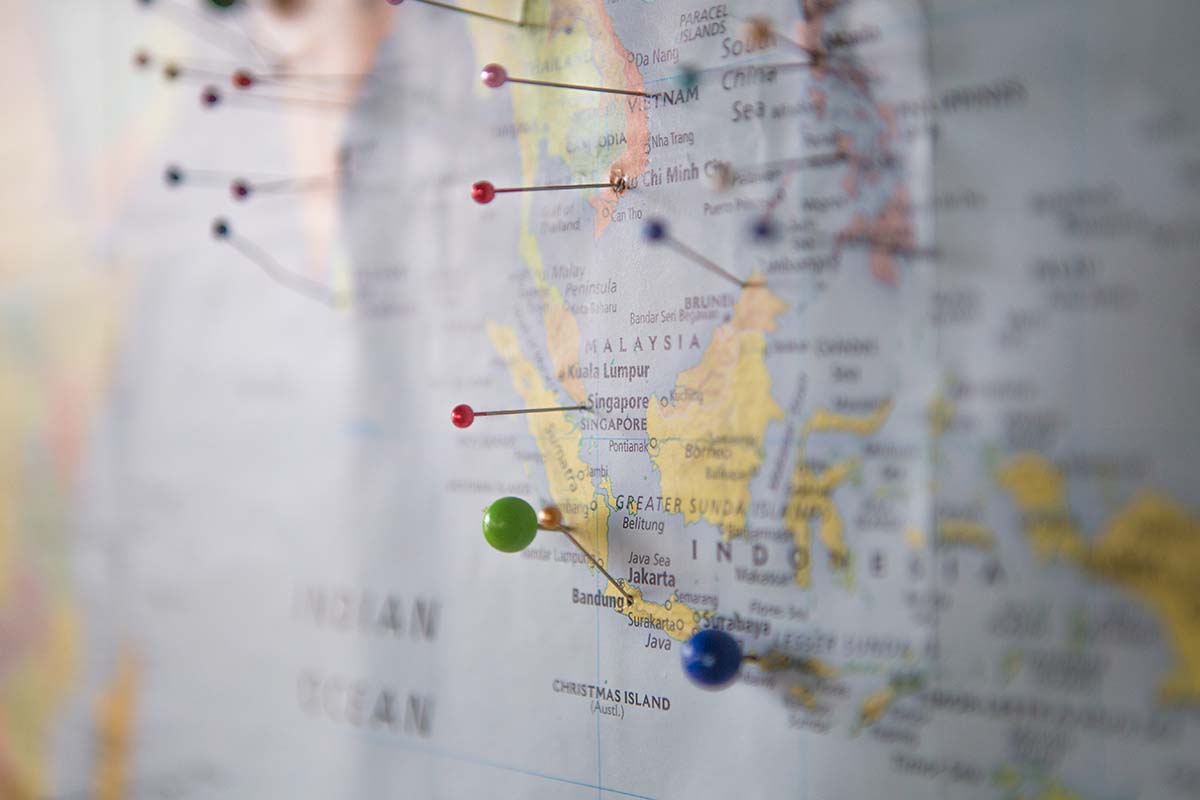
An itinerary is a detailed plan or schedule of events, activities, and destinations that outlines the intended course of a trip, journey, or event.
Whether you’re planning on visiting Florida, and you are looking for where you can find the best cafe in Venice FL, or if you are visiting Europe, how you can find the best art museums in Barcelona, it pays to be prepared.
Having an itinerary provides a structured outline of the various activities and their timings, typically organized chronologically.
Itineraries are commonly used in travel to help individuals or groups efficiently navigate through their trip, ensuring they make the most of their time and have a smooth experience.
In a travel context, an itinerary may include flight details, accommodation arrangements, sightseeing activities, meals, transportation options, and any other relevant notes or reservations.
Itineraries can be prearranged by travel agencies, tour operators, or individuals planning their trips.
They serve as a helpful reference and guide, helping travelers stay organized and on track during their journey.
Plan and Create an Itinerary
Planning and creating an itinerary is undoubtedly the best way to ensure an exciting and memorable trip.
For example, if you’re planning to visit the Colosseum, some research can greatly maximize your experience.
Consider booking a Colosseum underground tour to see the monuments without the crowds and learn about their fascinating history.
After your time is over, research the best restaurants to eat at in the area there’s nothing worse than a tourist trap with mediocre food.
And while you’re at it, look up some fun and unique activities to do in the vicinity.
With a little bit of preparation, you’ll be able to make the most of your trip and create unforgettable memories.
Research the Local Culture (Travel Smarter in 2026)
Exploring the local culture of your destination is one of the fastest ways to turn a regular trip into a meaningful travel experience.
In fact, recent travel studies show that over 72% of travelers rate cultural immersion as the most memorable part of their trips, yet many visitors still rely only on tourist checklists and miss the deeper story of a place.
When you take time to understand the history, customs, and everyday rhythms of a destination, you move from passive sightseeing to intentional travel.
This shift helps you connect more naturally with people, avoid common tourist mistakes, and discover experiences that most visitors overlook.
Practical ways to research local culture before and during your trip
- Read recent travel forums and local Reddit threads for real-world cultural tips;
- Learn basic etiquette (greetings, tipping norms, dress expectations;)
- Save neighborhood cafés and markets, not just major landmarks;
- Check local event calendars for festivals, art walks, or seasonal traditions;
- Try regional cuisine in locally reviewed spots instead of tourist zones;
- Follow local creators or city hashtags for current cultural insights;
- Visit museums or walking tours early in the trip for context.
Common mistakes travelers make
- Treating the destination like a photo backdrop;
- Overlooking local customs and social norms;
- Eating only in tourist-heavy areas;
- Skipping neighborhood exploration;
- Packing the schedule too tightly to notice local life.
Whether you are admiring architecture, joining a traditional celebration, or simply people-watching at a neighborhood café, cultural awareness adds depth to your trip.
Travelers who prioritize meaningful cultural experiences consistently report higher trip satisfaction and stronger emotional connection to the places they visit.
A little research before you go can transform your journey from surface-level sightseeing into a richer, more memorable understanding of the world around you.
Pack Wisely
When packing for a trip, it’s easy to fall into the trap of overpacking. It’s tempting to bring every outfit, gadget, and accessory that you think you might need, just in case.
But the truth is, bringing too much stuff can really weigh you down (literally) and put a damper on your travels.
Instead, we recommend packing wisely and only bringing the items that are truly necessary and won’t take up too much space in your luggage.
This will make your travels more enjoyable and stress-free, as you can focus on the experiences and not the excess baggage.
So before you start throwing everything you own into your suitcase, take a step back and think about what you really need for your trip.
Find ways to save money on travel costs
If you love to travel, you know how expensive it can be.
But that doesn’t mean you have to put your dreams on hold. With a little bit of research, you can find plenty of ways to save money on your next adventure.
One of the easiest ways to save is by looking for cheaper flights or hotel deals.
There are plenty of websites out there that allow you to compare prices and find the best deal for your budget.
You can also look for discounts on attractions think of museums or amusement parks. Put a little effort into your search to make your dream trip a reality without breaking the bank.
Take Time to Explore
The real beauty of travel often lives outside the checklist.
While it’s tempting to pack every hour, experienced travelers know that the most memorable moments usually happen in the unscheduled spaces.
In fact, recent travel surveys show that over 65% of travelers say their favorite trip memories were unplanned discoveries, not pre-booked attractions.
Instead of rushing through a rigid itinerary, give yourself permission to fully immerse in your surroundings.
When your schedule has breathing room, your brain stays more relaxed, your senses stay sharper, and you are far more likely to notice the small details that make a place feel alive.
How to explore more intentionally
- Build buffer time into your itinerary (at least 2–3 open hours daily;)
- Trust your instincts when something locally interesting catches your eye;
- Walk neighborhoods without a strict destination;
- Save a shortlist of local cafés, parks, and viewpoints to explore spontaneously;
- Balance must-see landmarks with slow, unstructured time;
- Talk to locals — many hidden gems never appear on Google;
Common mistakes that kill the travel experience
- Overpacking the schedule from morning to night;
- Treating travel like a checklist instead of an experience;
- Spending more time navigating than noticing;
- Ignoring smaller local spots in favor of crowded attractions;
- Traveling at a pace that leads to decision fatigue and burnout
Whether you discover a tucked-away eatery, a quiet scenic overlook, or an unexpected cultural moment, exploration is what transforms a trip from ordinary to unforgettable.
Travelers who follow slow travel and flexible itinerary strategies consistently report higher satisfaction and less post-trip exhaustion.
At the same time, thoughtful preparation still matters.
Researching the culture, building a realistic budget, and preparing for common travel hiccups create the safety net that allows true exploration to happen.
When you balance smart planning with open space to wander, you experience a destination more fully and often return home with stories that no guidebook could have planned.