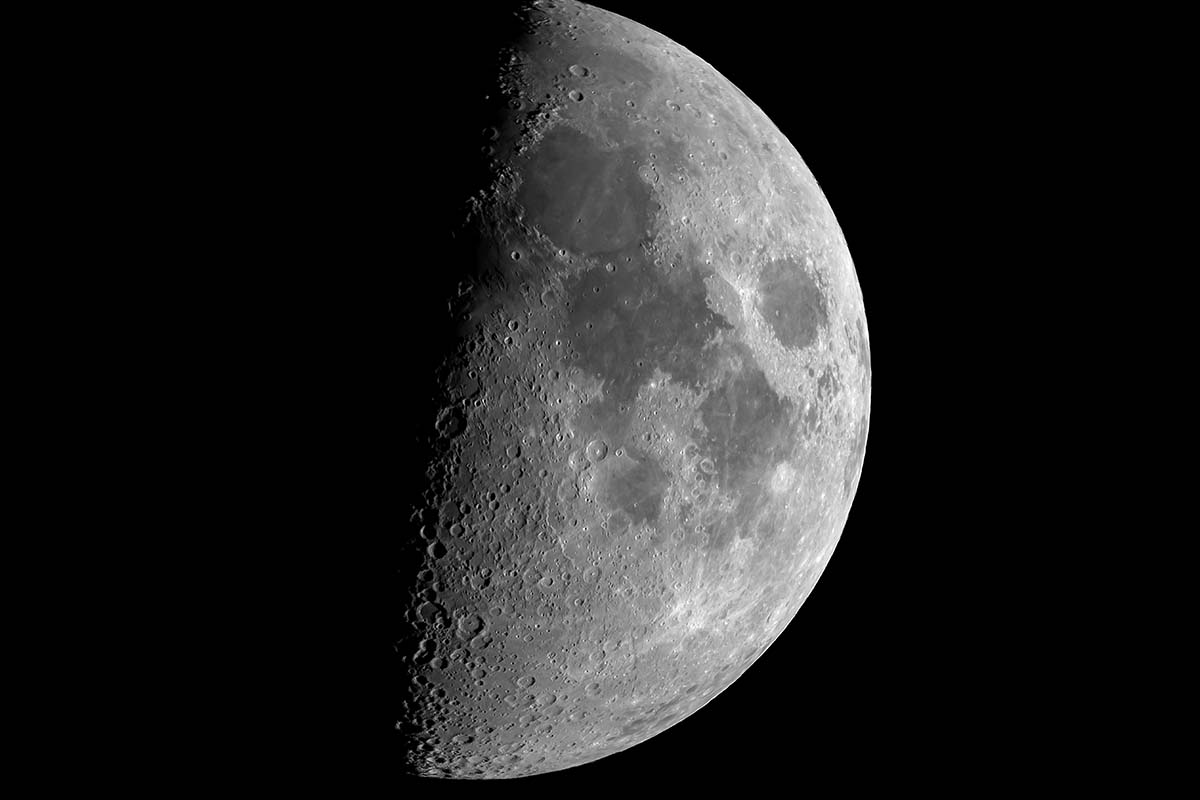
Interesting Astronomical Events That Make Stargazing More Meaningful
✨Key Points
- Astronomical events like meteor showers, eclipses, and planetary alignments help people connect with science, nature, and space exploration.
- Stargazing supports curiosity, analog living, and outdoor experiences away from constant screens and digital distractions.
- Understanding celestial events makes astronomy more accessible and enjoyable for beginners and experienced skywatchers alike.
Astronomy has fascinated humanity for thousands of years, inspiring explorers, scientists, philosophers, and dreamers to better understand the universe and our place within it.
Today, voices like Neil deGrasse Tyson, Carl Sagan, and Stephen Hawking continue to spark global interest in space, science, and cosmic discovery.
Even in a world dominated by technology and constant digital noise, many people are turning to stargazing and astronomy as a way to slow down, reconnect with nature, and experience something far bigger than everyday life.
From dazzling meteor showers and lunar eclipses to rare planetary alignments and visible comets, the night sky regularly offers breathtaking astronomical events that can often be observed without expensive equipment.
Interest in astronomy and outdoor stargazing continues to grow as more people embrace analog living, outdoor hobbies, and experiences that encourage curiosity, mindfulness, and exploration.
Watching celestial events can help people:
- Develop curiosity about science and space;
- Spend more meaningful time outdoors;
- Disconnect from screens and mental overload;
- Create memorable experiences with family and friends;
- Gain a deeper appreciation for the universe and nature.
For beginners especially, learning about major astronomical events transforms stargazing from a casual activity into a far more immersive and inspiring experience.
The Basics of Astronomical Events
Before diving into the specifics of individual astronomical events, it is essential to grasp the foundational knowledge of astronomy.
Learn about the celestial bodies that play a role in these events, such as stars, planets, moons, and comets.
Understanding their orbits, movements, and positions in the night sky will help you anticipate when and where these phenomena might occur.
This way, you can track when to view a solar eclipse or when a meteor shower might occur.
Familiarize yourself with astronomical terms like conjunctions, oppositions, perigee, apogee, and phases to comprehend the mechanisms behind these mesmerizing events.
Keeping Track of Astronomical Calendars
One of the most important parts of experiencing interesting astronomical events is timing.
Many celestial events, including meteor showers, lunar eclipses, planetary alignments, and visible comets, only occur during specific dates and viewing windows, with some rare events appearing only once in several years.
Staying updated with reliable astronomy apps, observatory websites, and astronomical calendars can help you plan ahead and dramatically improve your stargazing experience.
These tools can help you:
- Track upcoming eclipses and meteor showers;
- Find the best nights for planet visibility;
- Receive alerts for rare celestial events;
- Locate darker skies with less light pollution;
- Plan camping or outdoor stargazing trips more effectively.
Observational Tools and Techniques
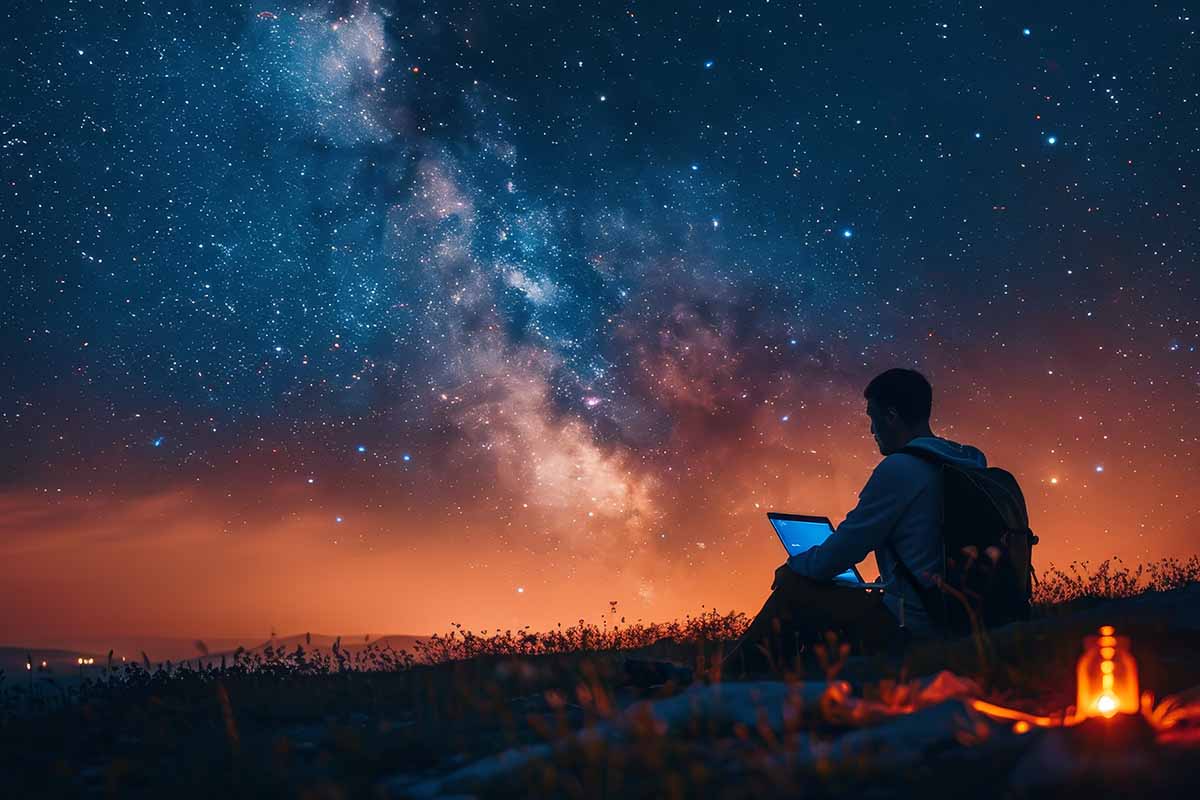
The right tools can completely transform the stargazing experience, especially for beginners trying to better understand interesting astronomical events.
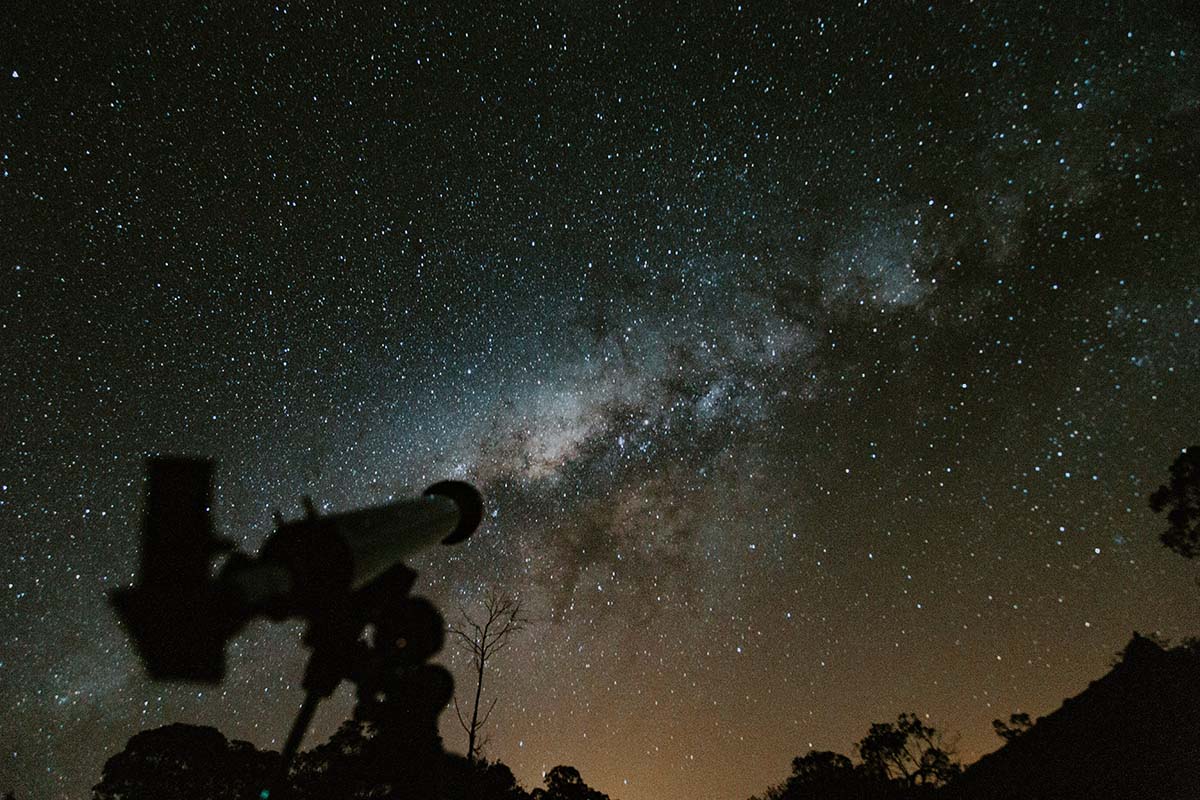
While many celestial events are visible with the naked eye, equipment like binoculars, telescopes, and astronomy apps can reveal far more detail and make the night sky feel much more immersive.
For example:
- Binoculars are great for beginners because they are affordable, portable, and easy to use;
- Telescopes help reveal craters on the Moon, planets like Jupiter and Saturn, and deeper space objects;
- Smartphone astronomy apps make it easier to identify constellations and celestial movements in real time.
Learning simple observational techniques can also improve visibility and overall enjoyment, such as:
- Choosing darker skies away from city lights;
- Allowing your eyes time to adjust to darkness;
- Using stable tripod setups for clearer viewing;
- Tracking weather and moon phases before stargazing sessions.
Many astronomy enthusiasts also enjoy basic astrophotography, which allows them to capture meteor showers, lunar eclipses, planets, and star-filled skies using smartphones, cameras, or beginner telescope attachments.
For people interested in expanding their astronomy experience, visiting observatories can also be incredibly inspiring.
Places like Griffith Observatory in Los Angeles offer public telescopes, astronomy exhibits, and incredible city and night sky views, making astronomy more accessible for beginners and experienced skywatchers alike.
Beyond photography and equipment, stargazing often helps people reconnect with curiosity, outdoor exploration, and analog living while creating memorable experiences with friends and family.
The Art of Explaining Astronomical Events
Connecting with local astronomy societies, observatory programs, and skywatching communities can dramatically improve your confidence and knowledge as you explore celestial events.
For many beginners, having access to experienced skywatchers makes topics like planetary motion, telescope alignment, and night sky navigation much easier to understand.
Community events such as telescope nights, dark sky gatherings, and guided observation sessions also give people access to equipment they may not own themselves, including advanced reflectors, astrophotography setups, and deep-space viewing systems.
These groups often help members:
- Track rare cosmic events and visible comets;
- Learn practical night sky navigation;
- Improve low-light photography skills;
- Discover the best dark sky viewing locations;
- Understand seasonal constellations and planetary cycles.
Digital communities can be equally valuable.
Astronomy discussion boards, citizen science projects, and space-focused social platforms allow enthusiasts to exchange observations, discuss space discoveries, and stay updated on upcoming skywatching opportunities around the world.
Beyond the educational side, these communities create a strong sense of shared curiosity and exploration, turning astronomy into a more social, inspiring, and lifelong experience.
Collaborating with Astronomy Communities
Engaging with astronomy communities and clubs can be an enriching experience for understanding and explaining astronomical events.
These groups provide a platform to connect with fellow enthusiasts, exchange knowledge, and learn from experienced astronomers.
Participating in star parties or organized observation sessions allows you to witness astronomical events through various telescopes and gain insights from seasoned observers.
Astronomy forums and social media groups are excellent resources for seeking advice, sharing your experiences, and discussing the latest celestial phenomena, fostering a sense of camaraderie among astronomy enthusiasts worldwide.
Delving into the Science Behind Astronomical Events
To comprehensively understand astronomical events, explore the scientific principles and phenomena that govern them.
For example, researching the physics of an eclipse or the behavior of comets in the solar system can deepen your appreciation for these occurrences.
Books, documentaries, and online resources from reputable space agencies and astronomy institutes can provide in-depth explanations backed by scientific evidence and research.
As you uncover the underlying mechanisms of celestial events, you’ll find yourself equipped with valuable knowledge to convey the wonders of the universe to others confidently.
Remembering That Humans Were Born to Explore
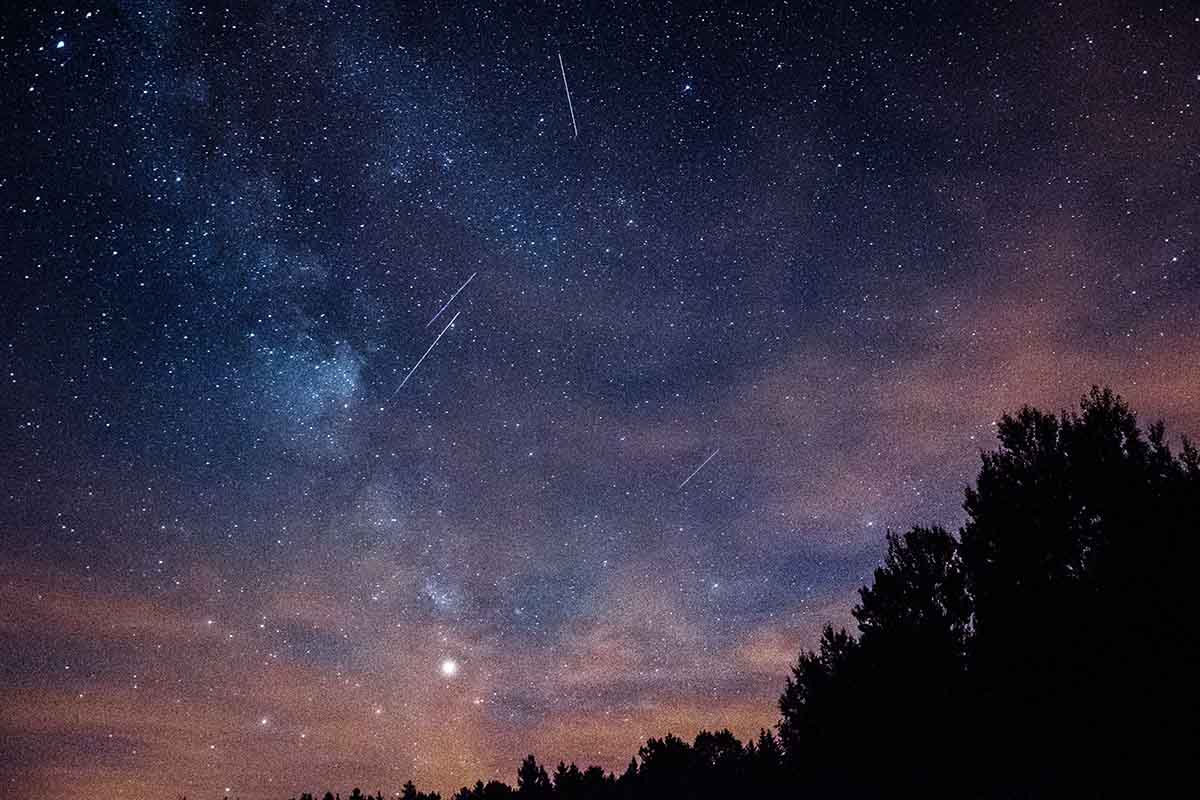
here is a moment in Interstellar by Christopher Nolan where humanity realizes that survival is not enough, people need purpose, curiosity, and the courage to keep exploring beyond what feels safe and familiar.
That feeling is part of what makes stargazing so powerful.
Looking into the night sky reminds us that humans have always been explorers.
Long before technology and modern cities existed, people looked at the stars searching for direction, meaning, and answers about what existed beyond the horizon.
Sometimes the most unforgettable moments happen quietly:
- Watching the Milky Way far away from city lights;
- Seeing a meteor streak across the sky unexpectedly;
- Sitting near a campfire under a sky full of stars;
- Realizing how small everyday stress feels beneath the vastness of space.
Experiences like these often inspire:
- Curiosity and imagination;
- A sense of perspective and calm;
- Deeper appreciation for science and nature;
- A break from digital overload and constant mental noise.
In many ways, the night sky reminds us of something modern life often makes people forget: humans were built to wonder, explore, and search for something greater beyond everyday routines.