
✨Key Takeaways
- Electric hunting bikes help you reach remote hunting spots with less physical effort. Fat tires and pedal assistance make it easier to navigate suitable gravel roads, dirt trails, and uneven terrain while carrying essential gear.
- The right hunting e-bike depends on terrain, battery range, and carrying capacity. Whether you’re choosing an electric hunting bike for men or women, prioritize motor performance, load limits, and reliable battery life over appearance or advertised top speed.
- Electric bikes offer practical advantages, but they have limitations. Lower operating costs and quieter travel compared with gas-powered ATVs can make them appealing, but trail restrictions, steep climbs, and battery management require careful planning.
You’ve been planning this hunting trip for weeks.
The weather is finally right, your gear is packed, and your trail camera has shown promising activity three miles from the nearest parking area.
There’s just one problem: you still have to get there carrying 40 pounds of equipment.
An ATV might handle the distance, but engine noise, vehicle restrictions, and narrow trails can make it impractical.
Walking means spending valuable energy before the hunt even begins.
That’s where electric hunting bikes for men and women offer a practical alternative.
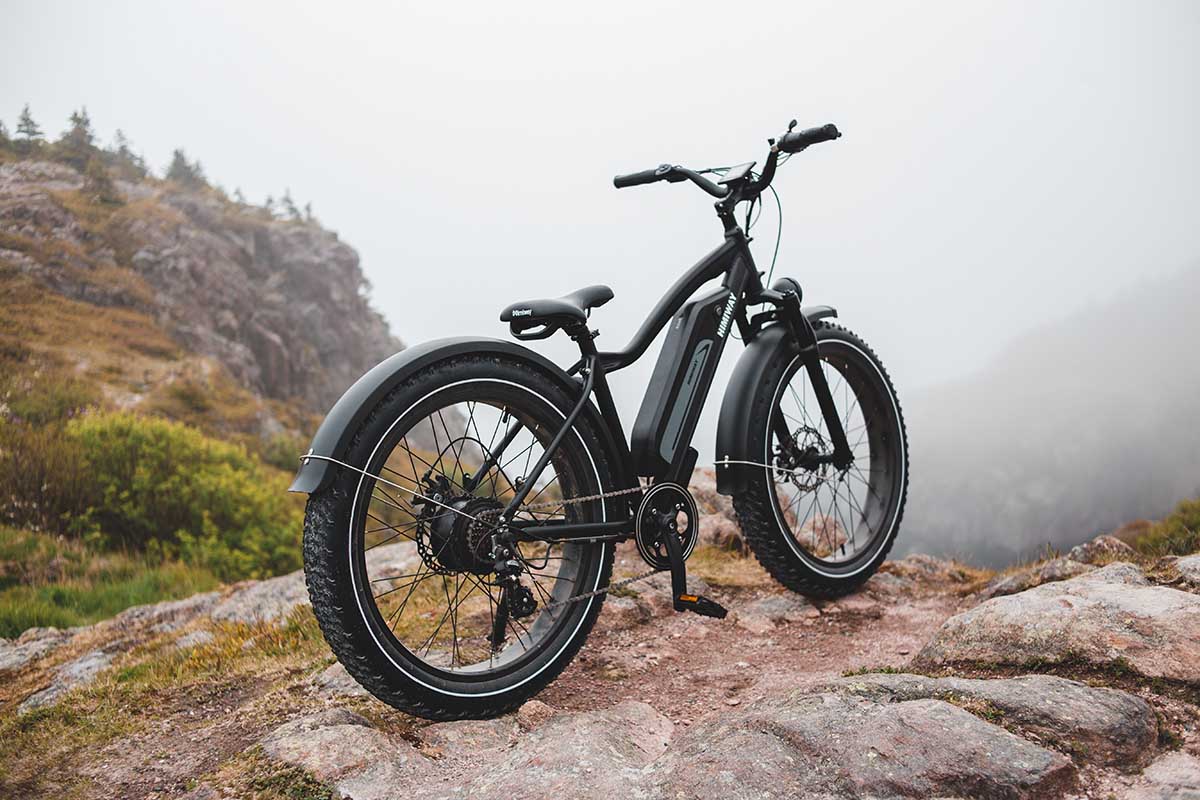
Unlike ordinary city bikes designed for paved commutes, electric hunting bikes often feature fat tires, lower gearing, and pedal-assist motors built to help riders navigate dirt roads, gravel, and uneven trails.
But don’t mistake an electric motor for a free pass into the wilderness.
Trail access rules, battery range, terrain, and the weight of your equipment still matter.
Before investing in one, consider what actually happens on a hunting trip:
- Getting to remote hunting spots: A fat-tire electric hunting bike may help you cover longer distances on suitable trails without arriving completely exhausted.
- Carrying hunting equipment: Models with compatible racks or trailers can transport gear, but you’ll need to check their weight limits.
- Managing steep terrain: Mid-drive motors can provide useful climbing assistance, although performance depends on motor design, gearing, and trail conditions.
- Returning after the hunt: Battery capacity becomes especially important when you’re traveling uphill or transporting additional weight.
- Staying within access rules: Some public lands restrict e-bike use to designated routes, even where conventional bicycles are permitted.
The best electric bike for hunting isn’t necessarily the most powerful one. It’s the one that can handle your terrain, carry your equipment, and get you back before the battery runs out.
Whether you’re comparing fat-tire electric bikes for men and women, electric mountain bikes, or purpose-built hunting e-bikes, this guide explains where they offer real advantages, where they fall short, and what to check before taking one into the field.
Benefits of Using Electric Bikes for Hunting
The hardest part of a hunting trip might not be reaching your spot.
It could be getting back after eight hours outdoors, when your legs are exhausted, daylight is fading, and your equipment feels twice as heavy.
That’s where electric hunting bikes offer benefits most buyers don’t consider until they’re already on the trail.
Unlike gas-powered ATVs, e-bikes generally produce less noise and don’t release exhaust fumes while operating. But their real value becomes clearer in everyday hunting situations:
- Less fatigue before the hunt begins: Pedal assistance can help conserve energy on long access roads, especially when you’re carrying equipment and still have hours of walking ahead.
- Easier scouting between locations: Checking multiple trail cameras along permitted routes becomes more manageable without repeatedly returning to your parked vehicle.
- Better equipment organization: Compatible racks and panniers can keep bulky supplies off your shoulders, although you’ll need to respect the bike’s weight limits.
- More flexibility on narrow routes: A bicycle may fit along designated trails where larger vehicles are impractical, provided local regulations allow e-bike access.
- Lower routine operating costs: Charging a battery generally costs less than fueling an ATV, though battery replacement and maintenance still affect long-term expenses.
Here’s something many first-time buyers overlook: your battery range on the way out won’t necessarily match your range on the way back. Climbing hills, carrying extra weight, and riding in cold weather can significantly reduce how far an e-bike travels per charge.
And a quiet motor doesn’t mean wildlife won’t notice you.
Tire noise, movement, and human scent still matter.
If you’re comparing options, explore this best ebike for hunting collection, but pay particular attention to battery capacity, load ratings, replacement parts, and terrain suitability.
The smartest purchase isn’t the bike promising the longest adventure. It’s the one that can reliably bring you and your equipment home.
Safety Tips for Hunting With an Electric Bike
Your e-bike battery is fully charged, your hunting gear is packed, and you’ve checked the weather.
But have you considered what happens if you crash five miles from your vehicle, where there’s no cell service and nobody knows your exact location?
The biggest danger of riding an electric hunting bike isn’t always the terrain.
It’s assuming you can handle an emergency the same way you would in the city.
Before heading into remote areas, consider a few risks that are easy to overlook:
- A loaded bike takes longer to stop. Extra equipment changes braking distance and handling, especially on loose gravel or steep descents. Practice braking with your actual hunting load before taking it into the field.
- Your hunting clothing can create a visibility problem. Camouflage helps you blend into your surroundings, but it can also make you harder for other trail users to spot. Use appropriate high-visibility equipment when riding, particularly near roads.
- A phone isn’t an emergency plan without reception. Download offline maps, share your route and expected return time, and consider a satellite communicator for areas without reliable cellular coverage.
- Cold weather affects more than battery range. Reduced tire traction, stiff hands, and fogged eyewear can make controlling the bike harder. Keep your battery within its manufacturer’s recommended temperature limits.
- Your equipment can become a crash hazard. Secure firearms unloaded and in accordance with applicable laws, and ensure bows, straps, and other gear cannot interfere with the wheels, brakes, or steering.
- A trail that allows bicycles may still prohibit e-bikes. Check the specific land manager’s rules and permitted e-bike classes before riding. Motorized-vehicle access rules aren’t identical everywhere.
One particularly overlooked risk is getting pinned beneath a heavy electric bike after a fall.
On an isolated trail, even a minor injury can become serious if you can’t lift the bike or reach your communication equipment.
Wear a properly fitted helmet, keep emergency supplies accessible on your body rather than buried in a bike bag, and avoid routes beyond your riding ability.
The goal isn’t simply to reach a remote hunting location. It’s to make sure a mechanical problem, wrong turn, or unexpected fall doesn’t turn an ordinary hunting trip into a rescue operation.
How Can Electric Bikes Save Hunters Time and Energy?
Spending two hours getting to your hunting location is frustrating.
But arriving late and discovering you’ve missed the best window for wildlife activity is even worse.
Electric hunting bikes can help hunters reach permitted access points more efficiently, leaving more time for scouting, setting up, and waiting rather than traveling.
There’s another advantage many hunters overlook: you can change your plans without committing to another exhausting hike.
If wind direction shifts or conditions make your original location unsuitable, an e-bike may help you reposition along legal routes without using as much physical energy.
However, speed and climbing performance depend on terrain, battery charge, motor output, and the weight you’re carrying.
Electric assistance won’t eliminate difficult trail conditions.
The real time-saving benefit isn’t chasing wildlife faster. It’s having more flexibility to make better decisions once you’re out there.
The Best Places to Buy Electric Hunting Bikes
A $400 discount looks fantastic until your e-bike needs a replacement battery and the seller has disappeared.
Where you buy an electric hunting bike can matter just as much as which model you choose.
A cheap purchase becomes expensive when nobody nearby can service the motor or source replacement parts.
Here’s where to look — and what most buyers forget to check:
- Local e-bike dealerships: You can test the bike’s handling, check whether the frame fits, and ask if the shop services its motor and battery system. The real advantage is having somewhere to return when something breaks.
- Manufacturer websites: Buying directly may give you clearer warranty information and access to compatible accessories. Before ordering, confirm whether warranty repairs require shipping the entire bike.
- Specialist outdoor retailers: Shops familiar with hunting equipment may offer models with compatible cargo trailers and off-road accessories. Ask about total load capacity rather than trusting marketing photos.
- Online marketplaces: Amazon and eBay can offer competitive prices, but verify the actual seller, battery certification, warranty coverage, and availability of replacement parts.
- Secondhand listings: A used e-bike might save hundreds of dollars, but a worn battery can erase those savings. Ask for battery health information, original purchase records, and proof that the charger matches the bike.
Replacement and return arrangements can be complicated because these batteries are subject to transport restrictions.
Before buying, call a nearby repair shop and ask: “Will you service this exact brand and motor system?”
If the answer is no, that bargain might not be worth the risk.
What Accessories Do You Need for a Complete Electric Bike Hunting Experience?
Your hunting equipment might cost thousands of dollars, but a loose backpack strap can still end your trip when it gets caught in your bike’s rear wheel.
The accessories most hunters overlook aren’t necessarily the expensive ones.
They’re the small things that prevent ordinary inconveniences from becoming serious problems.
Before heading out, consider these essentials:
- Waterproof storage bags: A soaked spare jacket or wet ammunition packaging can create problems later. Use secure, weather-resistant storage and keep sensitive equipment protected.
- A compact tire repair kit: Carry a compatible spare tube or repair supplies, tire levers, and a pump. Check whether your bike requires special tools to remove its wheels.
- A first-aid kit you can actually reach: Don’t bury emergency supplies underneath your hunting equipment. Keep essential items accessible even if you become separated from the bike.
- A physical map and compass: GPS devices are useful, but batteries fail and screens break. Knowing how to navigate without electronics helps you stay safe when hunting in the wild.
- Secure equipment mounts: Loose binoculars, tools, or hunting accessories can affect balance or interfere with moving parts. Use purpose-built mounts and follow applicable firearm transportation laws.
- A reliable power source: A charged power bank can keep your phone or navigation device running, but it won’t necessarily recharge your e-bike battery.
Hunters increasingly use GPS mapping apps, satellite communicators, and other modern tools to enhance hunting experience.
These can help with navigation, route planning, and emergency communication.
However, technology should support your preparation, not replace it.
A satellite device is far more useful when someone already knows your planned route and expected return time.
Tips on How to Maintain an Electric Bike While Hunting
Mud on your frame looks harmless.
Mud packed around electrical connections, brake components, or moving parts can become a much more expensive problem.
Hunting e-bike maintenance is different from cleaning a bicycle that spends its life on pavement.
Dirt, water, vibration, and heavy loads can expose weaknesses that aren’t obvious during a short ride.
Here’s what deserves attention:
- After muddy rides: Remove dirt with a soft brush and damp cloth. Avoid directing high-pressure water at the motor, bearings, battery compartment, or electrical connections.
- Before loading equipment: Check tire pressure against the manufacturer’s guidance for your tires and total load. Incorrect pressure can affect grip, handling, and puncture risk.
- After rough trails: Inspect racks, mounts, spokes, and fasteners for movement or damage. Repeated vibration can loosen poorly secured accessories.
- Before charging: Check the battery and charging port for moisture, dirt, or visible damage. Follow the manufacturer’s instructions before connecting the charger.
- When braking feels different: Have worn pads, damaged rotors, or unusual brake behavior inspected promptly. Extra cargo can place greater demands on the braking system.
- During long-term storage: Store the battery within the manufacturer’s recommended temperature and charge range. Avoid leaving it fully depleted for extended periods.
One particularly expensive mistake is assuming every electrical problem requires a new battery.
A damaged connector, loose contact, or faulty display can sometimes produce similar symptoms.
Have the system diagnosed before purchasing costly replacement components.
The smartest maintenance habit is checking what changed during the ride.
A new rattle, unusual motor noise, or sudden reduction in range deserves attention before your next trip.
Final Thoughts: Is an Electric Hunting Bike Worth Buying?
An electric hunting bike can be a worthwhile investment, but buying one without considering your actual hunting conditions is an easy way to waste money.
A model that performs well on maintained gravel roads may struggle on rocky climbs.
A bike with impressive advertised range may deliver considerably less when carrying equipment in cold weather.
Before purchasing, ask yourself:
- Can I legally ride it where I hunt? Check land-management rules and trail designations for your specific e-bike class.
- Can it handle my total load? Include your body weight, clothing, equipment, and any compatible cargo accessories.
- Can I get it repaired locally? Confirm that nearby shops support the bike’s motor system and replacement parts.
- Can I manage it without motor assistance? Consider what happens if the battery runs low or an electrical component fails.
When researching electric bikes, compare more than motor power and appearance.
Look at braking performance, frame construction, tire suitability, manufacturer support, and realistic operating costs.
The best electric hunting bike isn’t the one promising to conquer every trail.
It’s the one that fits your hunting routine, works within local regulations, and remains dependable after the excitement of buying it wears off.