Water Damage Remediation
✨Key Points
- Mold can begin forming within 24–48 hours after water exposure;
- 1 in 60 U.S. homes files a water damage claim annually;
- Water type classification determines the entire restoration strategy.
Water Damage Remediation: Drying
To help your home recover quickly from water damage, the initial step should be drying out the affected areas with fans, dehumidifiers, and other drying aids.
Opening as many windows and doors as possible to allow air circulation through affected areas can also speed up this process; just be mindful of weather forecasts, as sudden thunderstorms or humid conditions could pose additional obstacles that would slow it down further or even create other issues.
If there is an abundance of water to clear away, using a wet-dry vacuum or pumping equipment may be necessary.
This step is especially essential when dealing with extensive flooding that requires longer drying times.
Once all excess water has been removed from your home or storage facility, furniture and belongings should be relocated away from any areas affected until all these areas have completely dried – doing this can protect belongings from further damage while helping prevent mildew or mold growth in affected areas.
Replace any damaged materials caused by water immediately, such as carpeting and floor padding, such as when water has penetrated them.
Water absorbed by such materials may start decomposing them as soon as it touches them, leading to structural issues later down the line.
Once affected areas are dry, it is a wise move to disinfect them to kill any remaining bacteria that may exist.
This can be accomplished using bleach solution or other bactericidal cleaners.
Be mindful of all local and state regulations regarding disinfection!
If your home or business has experienced severe water damage, hiring a professional restoration company to clean and restore is best.
They have the necessary training and equipment to handle this job safely and effectively.
They may even detect potential structural issues that require attention as they use industrial-strength driers, fans, and wet vacs that outshone consumer-grade equipment in efficiency.
Deodorization
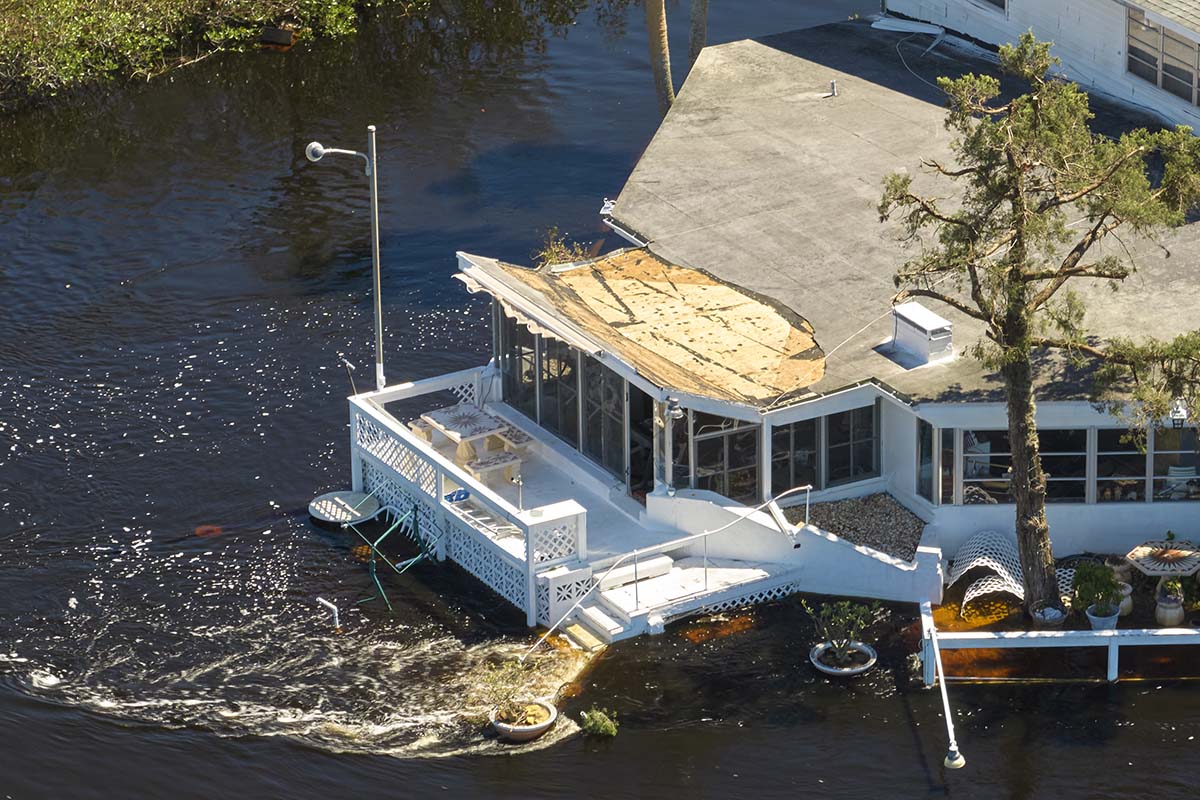
Water damage often creates unpleasant odors that are difficult to eliminate due to bacteria and microorganism growth in wet materials such as wood.
This bacterial growth results in musty smells common among homes affected by flooding; however, steps can be taken to alleviate such unpleasant aromas.
One of the key steps is ensuring wet materials are completely dried using air-moving fans and dehumidifiers to eliminate moisture-related odors more quickly and effectively.
Finding and fixing the source of water damage is also of utmost importance, as delayed repairs could lead to more severe health issues later.
Be it from flooding in a basement or leaks on roof, any form of water damage must be immediately addressed for the best results.
Once all water damage is mitigated, the next step should be deodorizing the area.
This can be accomplished by scrubbing and sanitizing all surfaces impacted by it; typically walls, floors and ceilings.
However, different odors require different deodorization approaches.
Use vinegar and water in a spray bottle to neutralize water damage odors by lightly misting affected areas with this solution, taking care not to overspray as excessive spraying could cause mold growth and other issues. Deodorization concludes with the use of a disinfectant to kill any remaining bacteria and organisms present in wet materials.
Cleaning
Once the water has been extracted and the sanitization process is complete, your belongings must be cleaned.
Some items may be salvageable while others need to be thrown away: paper products, food items, and electronics are often considered non-salvageable, while rugs, upholstery, and furniture should usually be preserved. Rare or valuable objects might require professional cleaning as well.
Prioritize which items you want to keep and ask a specialist whether they can be restored.
If they can, have them professionally cleaned before bringing them back into your home; this step is especially crucial when dealing with category two or three water damage, which often includes contamination from sewage and other hazardous chemicals.
Water damage is a biohazard, making it unwise to come into direct contact with or even be near any affected water sources.
When contamination has taken place, professionals who are licensed to deal with biohazards should clean and disinfect it to protect human health.
Additionally, a water damage remediation company can identify and eliminate mold growth that has occurred as part of this process.
This can help prevent any illnesses from spreading in your home.
Before embarking on any restoration or cleanup efforts, ensure the area is safe by assessing damage and donning PPE (personal protective equipment).
Once safely in a dry location, use a dry stick to turn off your power while checking for loose plaster, ceiling holes, and flooring holes; switch off water; and unplug any electrical devices.
Water Damage Remediation: Restoring
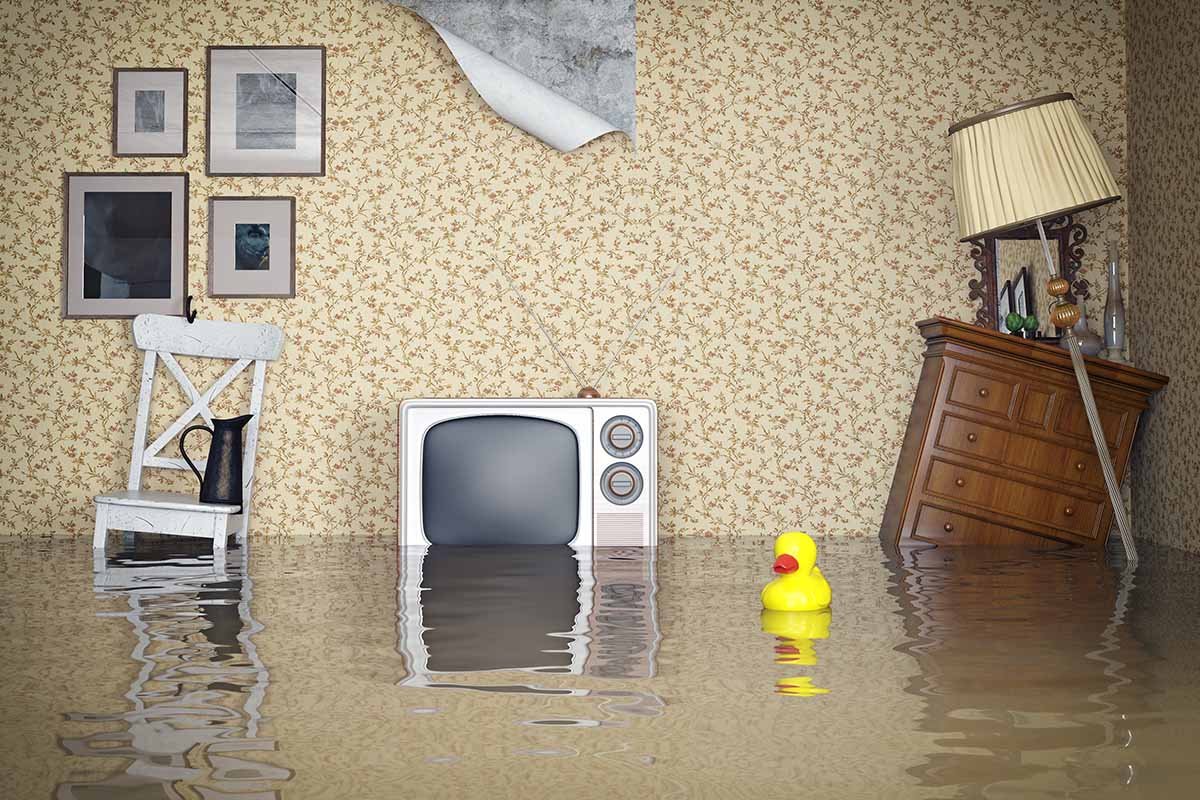
Water damage can have devastating repercussions for you and your family, from structural destruction to health hazards like mold and bacteria growth that threaten both you and them.
Standing water quickly becomes infected with pathogens that pose health threats, including respiratory conditions or other illnesses that need immediate intervention to mitigate further harm. You can visit this helpful site to learn more.
Regarding water damage restoration, professionals should always be your go-to choice.
Their industry best practices and up-to-date technology will allow them to provide comprehensive inspection, cleaning, and restoration services that restore your home to its pre-water damage state.
If you have experienced water damage in your home, it must be addressed promptly. Any delay can lead to further damage and an increased repair bill.
Consulting a professional will give more accurate estimates and help file an insurance claim if necessary.
Water restoration typically involves five steps: inspection and assessment, removal of water contaminants and drying/dehumidification/cleaning/sanitization, and restoration/repair.