Should You Buy a Piano? What to Consider First
✨Key Points
- Compare Your Options: Decide whether an acoustic piano, digital piano, or rental best fits your needs.
- Consider the Full Cost: Include delivery, tuning, maintenance, and possible future repairs.
- Plan for the Future: Choose an instrument that suits your available space, experience, and long-term commitment.
Owning a piano can represent much more than buying an instrument.
It may be a commitment to finally learning music, returning to a childhood passion, or creating a home where music becomes part of family life.
However, an acoustic piano requires space, maintenance, and a significant investment, so desire alone should not guide the decision.
Before buying, consider:
- How regularly the piano will be played;
- Whether your home has enough permanent space;
- What delivery, tuning, and maintenance will cost.
Many musicians begin with electric pianos or rent an acoustic model while building their skills.
This gives you time to understand your preferences before making a long-term financial commitment.
The following considerations will help you decide whether buying a piano is the right step for your budget, home, and musical future.
How Much Does a New or Used Piano Cost?
Piano prices vary considerably by type, condition, age, and brand.
In 2026, buyers in the United States can generally expect these price ranges:
- Digital piano: Approximately $500 to $1,500 for a dependable beginner or intermediate model.
- New upright piano: Around $3,000 to $10,000, with professional models costing considerably more.
- Used upright piano: Typically $500 to $5,000, although some inexpensive instruments require costly repairs.
- New baby grand piano: Usually starts at approximately $12,000 to $15,000.
- Used grand piano: Often costs 30% to 50% less than a comparable new model.
A free or inexpensive used piano is not always a bargain.
Before buying one, arrange a professional inspection and include delivery, tuning, repairs, and ongoing maintenance in your budget.
Current pricing guides estimate that acoustic-piano tuning alone may cost several hundred dollars annually.
How Long Have You Played the Piano?
You do not need to wait exactly three years before buying a piano.
A better question is whether playing has become a lasting part of your life rather than a temporary interest.
If you are still unsure, renting a piano or beginning with a quality digital model reduces the financial risk.
More experienced players will usually understand which key action, sound, size, and features support their technique and future musical goals.
Will You Play It Regularly?
Consider how naturally piano practice fits into your routine.
If you play several times a week, owning an acoustic piano could strengthen your skills, encourage consistency, and bring music into your home for years.
If you practise only occasionally, a digital piano may offer better value.
It requires less space and maintenance, never needs tuning, and can be used with headphones.
Choose the instrument you will genuinely play, not simply the one you would most like to own.
Have you Got the Space for a Piano?
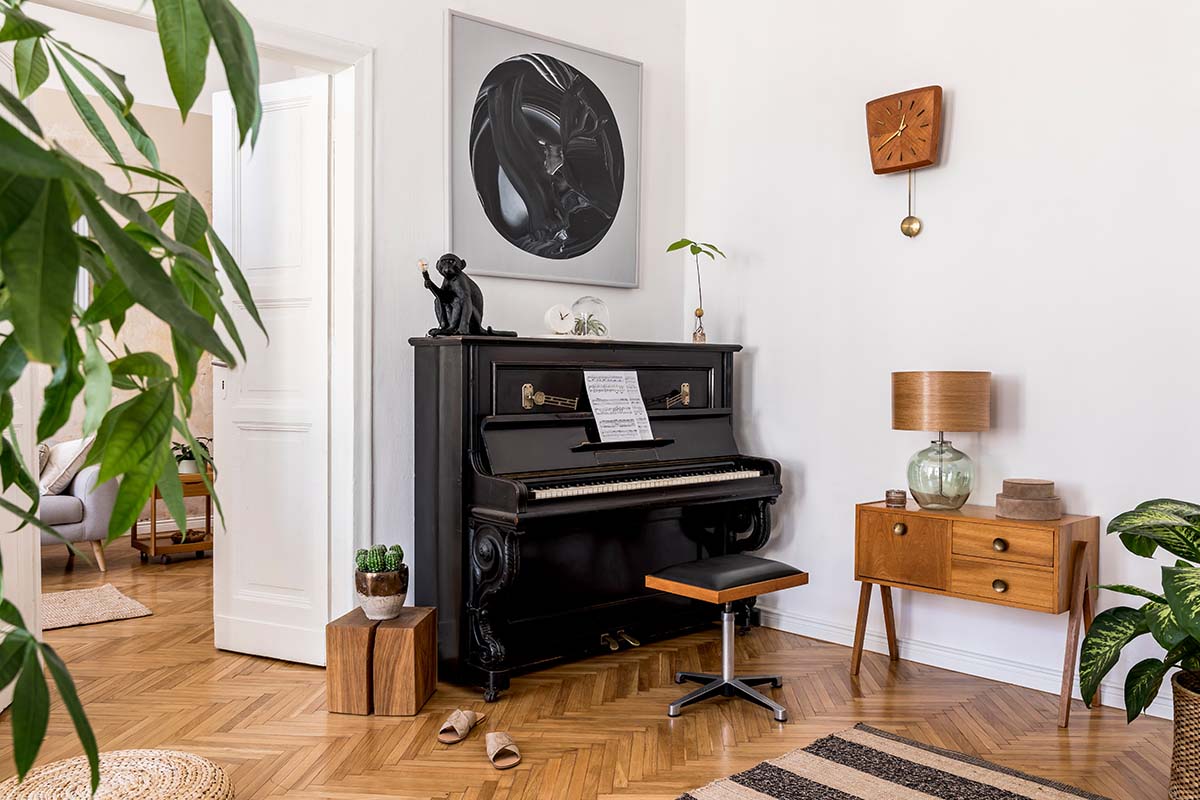
Pianos take up a lot of space. Grand pianos take up the most space and can vary in length, making them only suitable for larger rooms.
Upright pianos are more common – although higher, they take up less floor space and can be more easily slotted into most rooms.
Access can be one of the biggest obstacles for many eager piano owners , getting a piano into certain buildings with narrow staircases or corridors may be impossible without assembling it on-site.
Pianos are also very heavy, and you’ll typically need to hire local movers to help.
It could be worth asking professionals for their advice if you are not sure how you are going to get a piano into your home.
If it seems unlikely that you’ll be able to maneuver a piano, an electric piano may end up being a more sensible option as these are often designed to be portable.
Can You Afford a Piano?
A piano should be viewed as a long-term investment in your skills, enjoyment, and future possibilities, not only as an upfront purchase.
Acoustic models can cost thousands of dollars, while premium brands such as Fazioli, Steinway, Bösendorfer, and Yamaha may retain more value when properly maintained.
A used piano can reduce the initial cost, but inspect it professionally for structural damage, sticking keys, tuning problems, and expensive repairs.
Renting or choosing a payment plan may be more practical if you are still discovering how seriously you want to pursue music.
Your piano could also create future income.
As your experience grows, you might:
- Give private piano lessons from home;
- Rent the instrument to trusted teachers or students;
- Offer your space for small rehearsals or music classes;
- Record music or create paid educational content;
Income is never guaranteed, and rentals may require insurance and clear agreements.
Still, a carefully chosen piano can become more than furniture, it can support your creativity, strengthen your skills, and potentially help repay part of its cost.