Ways To Protect Your Car Paint (2026 Precision Guide)
✨Key Points
- Wax creates a sacrificial barrier that protects your clear coat from UV rays, contaminants, and oxidation.
- Synthetic sealants last longer, while carnauba wax gives a deeper glow choose based on your driving habits.
- Thin, even application on a clean surface makes all the difference in durability and real paint protection.
Your vehicle’s paint isn’t just about shine — it’s a multi-layer protection system designed to shield metal from UV radiation, moisture intrusion, road salt, bird acids, and airborne contaminants.
True advanced car paint preservation goes beyond keeping your car “clean.”
It’s about reducing paint oxidation, preventing micro-scratches, and protecting whatever protection layer you already have whether that’s wax, sealant, ceramic coating, or PPF.
If you want your finish to look deep, glossy, and swirl-free years from now, the process matters just as much as the products.
Let’s start with the foundation.
Regular Washing — But Done the Professional Way
Washing your vehicle weekly is important — but how you wash it determines whether you’re preserving the finish or slowly damaging it.
Dirt, brake dust, pollen, bird droppings, and industrial fallout bond to paint quickly. Left sitting, they accelerate oxidation and clear coat failure.
But improper washing is one of the biggest causes of swirl marks.
The Two-Bucket Method (Non-Negotiable in 2026)
Professional detailers use the two-bucket wash method to prevent grit from being rubbed back onto the paint:
- One bucket contains pH-neutral shampoo solution.
- The second bucket contains clean rinse water.
After each panel, rinse your microfiber wash mitt in the clean water before dipping it back into soap.
This simple separation drastically reduces micro-marring and swirl marks.
It’s one of the most overlooked ways of preventing swirl marks during washing.
Use the Right Soap — pH Balance Matters
Household detergents are alkaline.
They strip wax, weaken sealants, and dry out rubber trim.
Instead, choose a ceramic coating safe car wash formula that’s pH-neutral. Modern 2026 shampoos often include:
- pH-balanced surfactants;
- SiO₂-infused boosters to reinforce ceramic coatings;
- Lubrication polymers to reduce friction.
Understanding pH-balanced car shampoo benefits is critical if you want protection layers to last.
Tool Comparison (2026 Standard)
| Tool | Why It’s Better | Avoid This |
|---|---|---|
| Microfiber Wash Mitt | Lifts dirt into fibers away from paint | Sponge (pushes grit across surface) |
| pH-Neutral Shampoo | Preserves wax & coatings | Dish soap (strips protection) |
| Grit Guard Insert | Traps debris at bucket bottom | Plain bucket |
Drying Without Causing Damage
Most swirl marks actually happen during drying — not washing.
Water left to air-dry creates mineral spotting. In hot climates, those minerals can etch into clear coat.
For safe drying techniques for black cars (where everything shows), follow this method:
- Use a high-GSM microfiber drying towel (900–1200 GSM for plush absorption).
- Pat or drag gently — never scrub.
- Start at the roof and work downward.
Professional detailers often use deionized water for a spot-free rinse, which removes mineral content entirely and dramatically reduces water spotting.
A waffle-weave towel absorbs up to 7x its weight in water, while traditional chamois can trap leftover grit and cause fine scratches.
If you’re serious about reducing paint oxidation and preserving gloss depth, drying technique is not optional — it’s critical.
Waxing for Long-Term Car Paint Protection
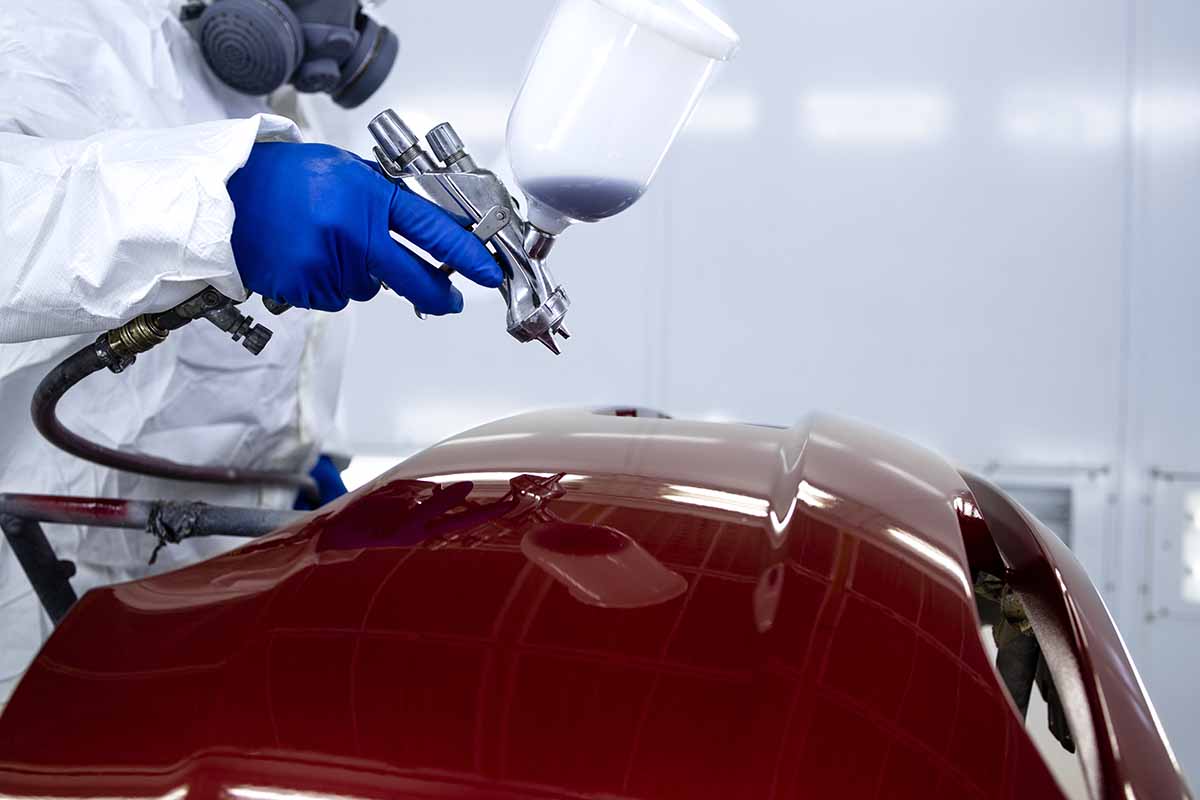
Wax isn’t just about shine it’s a core part of car paint protection and long-term clear coat preservation.
A quality wax or synthetic paint sealant creates a sacrificial barrier between your paint and environmental hazards, helping with reducing paint oxidation and maintaining gloss.
- Blocks harmful UV rays that cause fading and clear coat failure;
- Repels water with hydrophobic protection, reducing mineral spots;
- Shields against bird droppings, tree sap, road salt, and fallout;
- Makes routine washing easier and safer;
- Slows long-term oxidation and surface contamination.
Choose carnauba wax for a warm, deep glow (ideal for show cars) or a synthetic paint sealant for longer durability and stronger chemical resistance.
If your vehicle has ceramic coating or paint protection film (PPF), use compatible SiO₂ maintenance toppers instead of heavy traditional wax.
Apply to a clean, dry surface in thin, even layers, allow proper curing, then buff with a high-quality microfiber towel for best results.
Protect your car paint with wax and shield against the elements.
Invest in Paint Sealants
For longer-lasting protection, consider using paint sealants. Paint sealants are synthetic products that bond with the paint to create a durable protective layer.
They typically last longer than traditional car waxes and provide enhanced resistance against UV rays, bird droppings, and other contaminants.
Applying a paint sealant is similar to waxing. Ensure that your car is clean and dry before application.
Use a foam applicator pad to spread the sealant evenly on the paint surface. Allow it to cure according to the product instructions, and then buff it off with a clean microfiber cloth.
While paint sealants offer excellent protection, following the manufacturer’s recommendations for reapplication is essential, as their effectiveness diminishes over time.
Use Ceramic Coatings for Ultimate Protection
Ceramic coatings are a game-changer for those looking for the pinnacle of paint protection.
Ceramic coatings create a nano-ceramic layer on the paint surface, providing unparalleled durability and resistance to various environmental contaminants.
Ceramic coatings offer superior protection against UV rays, oxidation, water spots, bird droppings, tree sap, and more. They also provide a hydrophobic effect, causing water to bead and roll off the surface, making washing and maintenance easier.
Applying a ceramic coating requires meticulous preparation, including thorough cleaning and decontamination of the paint surface. It’s a job best left to professionals, as the application process demands precision and expertise.
While ceramic coatings come with a higher upfront cost than traditional waxes and sealants, their long-lasting protection and ease of maintenance make them a worthwhile investment for enthusiasts who want the best for their vehicles.
Mindful Parking Practices
Where you park, your car can significantly impact its paint condition.
Whenever possible, park in shaded areas to protect your vehicle from the harmful effects of UV rays.
Prolonged exposure to the sun can cause paint to fade and deteriorate over time.
Avoid parking under trees, especially those that produce sap or have overhanging branches.
Bird droppings and tree sap can cause severe damage to your car’s paint if left unattended.
If you cannot park under trees, consider using a car cover for added protection.
Additionally, be mindful of your surroundings when parking. Leave ample space between your car and others to minimize the risk of dings and scratches from doors and shopping carts.
Ways to Protect Car Paint: Regular Inspection and Touch-ups
Regularly inspect your car’s paint for any signs of damage, such as chips, scratches, or swirl marks.
Addressing these issues promptly can prevent them from worsening and protect your car from further damage.
Invest in high-quality touch-up paint that matches your car’s color.
Touch-up paint can be used to cover small chips and scratches, preventing them from becoming more extensive problems.
When applying touch-up paint, follow the manufacturer’s instructions carefully for the best results.
Preserving the paint on your car requires a combination of proactive measures and regular maintenance.
Remember that each car is unique, and factors such as climate, driving conditions, and personal preferences will influence the choice of protective measures.
By incorporating these practices into your car care routine, you can ensure that your vehicle’s paint remains in optimal condition, contributing to its longevity and aesthetic appeal. To ensure you’re applying the best car care, consult Attention Detailing today!