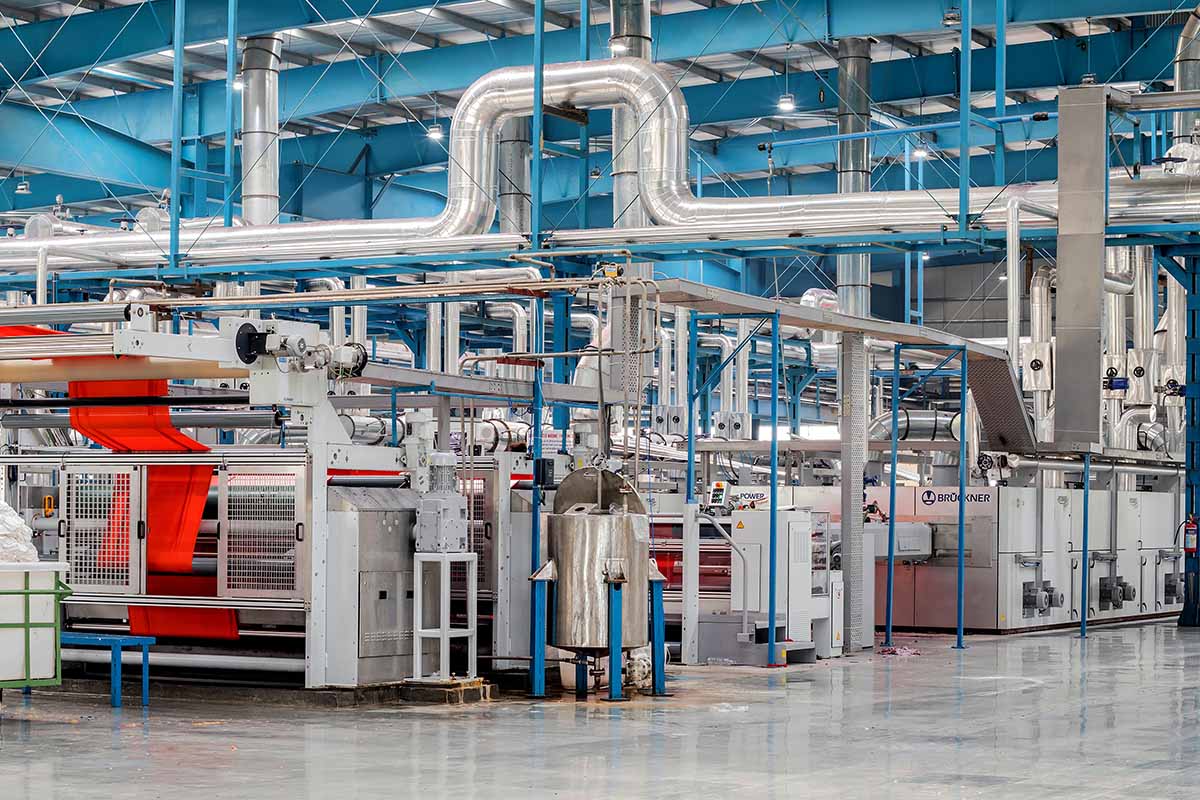
Why Understanding the Manufacturing Process Is Crucial for Your Business
✨ Key Points
- Understanding the manufacturing process helps businesses improve product quality, efficiency, and customer satisfaction.
- Optimized production systems can reduce downtime, lower operational costs, and minimize waste.
- Businesses that invest in process improvement and automation are often better positioned for long-term growth and competitiveness.
Understanding the manufacturing process directly affects product quality, operational efficiency, customer satisfaction, and profitability.
Many businesses focus on sales and marketing while overlooking production issues that quietly increase costs, delay orders, and affect product consistency.
As supply chains become more competitive, businesses that optimize manufacturing processes are often better prepared to scale, reduce waste, and stay profitable.
A strong manufacturing process helps businesses:
- Improve product quality and consistency
- Reduce production delays and operational costs
- Minimize waste and improve efficiency
- Identify costly bottlenecks early
- Improve customer satisfaction and trust
Businesses that invest in automation, predictive maintenance, and process optimization often experience lower downtime, faster production cycles, and better long-term performance.
In today’s market, understanding manufacturing operations is no longer optional. It is a major advantage for businesses that want to stay competitive and grow sustainably.
Quality Control and Product Consistency
In-depth comprehension of the manufacturing process empowers businesses to implement robust quality control measures.
Understanding each production step facilitates the identification of potential areas susceptible to defects or errors, ensuring consistent product quality.
By delving into the intricacies of the process, companies can preemptively identify risks, pinpoint inefficiencies, and maintain stringent quality standards throughout production.
This approach aligns with Total Quality Management (TQM), which emphasizes a proactive stance towards quality.
An article by Forbes titled “The Hidden Costs of Quality in Manufacturing” highlights that poor quality incurs hidden expenses, such as rework, waste, and dissatisfied customers, leading to long-term financial repercussions.
Understanding the manufacturing process enables businesses to preemptively address quality issues, preventing these hidden costs from accumulating.
Through comprehensive knowledge of production intricacies, companies can implement preventive measures, institute checks and balances, and constantly improve processes.
This excellent article comprehensively explains the hidden cost of quality.
Reading this it not only ensures consistent product quality but also mitigates the risk of quality-related expenses, reinforcing the notion that investing in understanding the manufacturing process is essential for sustaining high-quality standards and mitigating hidden costs associated with compromised quality.
Regulatory Compliance and Sustainability
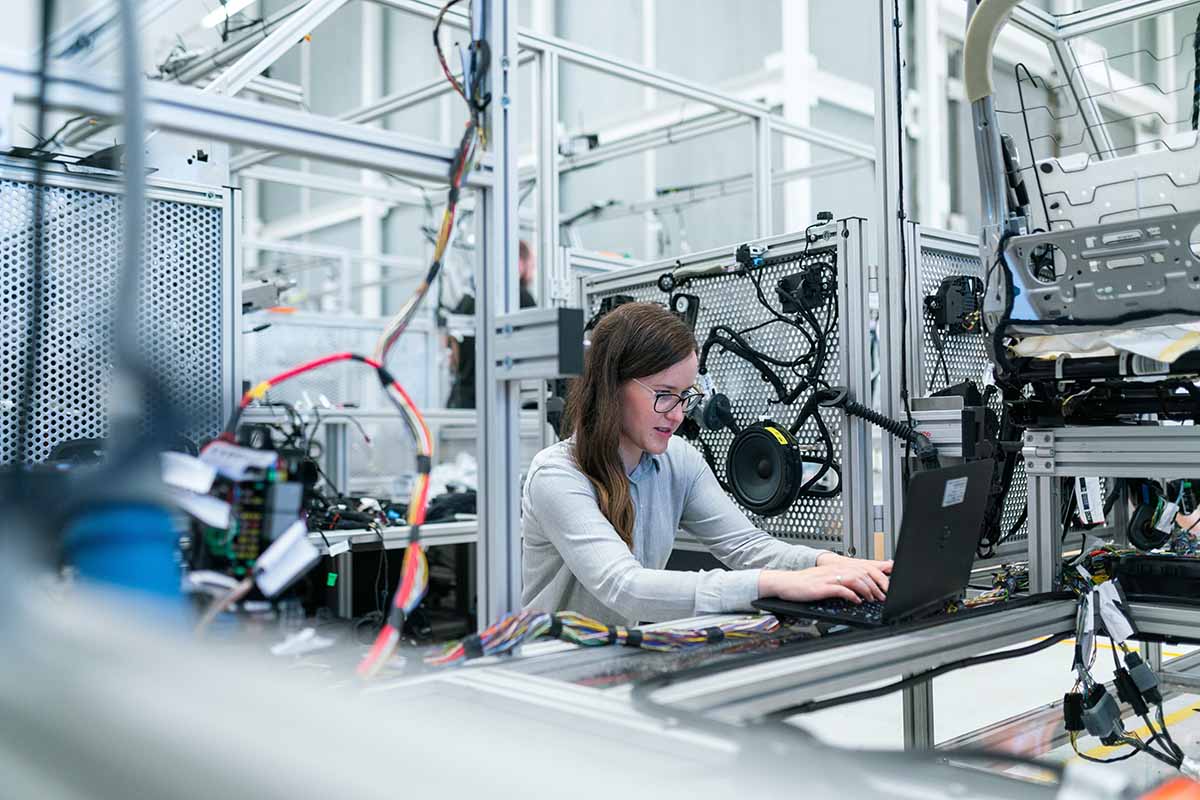
A comprehensive understanding of the manufacturing process is imperative for businesses to align with stringent industry regulations and evolving standards.
This comprehension facilitates the implementation of environmentally sustainable practices, significantly reducing the ecological footprint of manufacturing operations.
By thoroughly comprehending the intricacies of the manufacturing process, companies can identify areas where environmental impact can be minimized.
This includes optimizing resource usage, adopting energy-efficient technologies, and implementing waste reduction strategies.
Understanding the manufacturing cycle enables the integration of eco-friendly materials and processes, fostering a more sustainable production model.
Moreover, staying abreast of changing environmental regulations and standards necessitates a deep understanding of how manufacturing processes align with these mandates. This knowledge enables proactive adjustments and timely adoption of environmentally friendly practices to ensure compliance.
A thorough understanding of the manufacturing process ultimately empowers businesses to prioritize sustainability, reduce their environmental impact, and proactively address regulatory requirements.
Embracing these practices ensures compliance and demonstrates a commitment to environmental stewardship, fostering a positive brand image and contributing to a more sustainable future.
Manufacturing: An Essential Process for Modern Businesses
Understanding the manufacturing process is not just about production.
It directly affects how efficiently a business operates, how customers experience the product, and how profitable the company can become over time.
In real business situations, a well-managed manufacturing process can help companies reduce delays, avoid costly mistakes, improve product consistency, and respond faster to customer demand.
It also helps businesses make smarter decisions about inventory, staffing, automation, and long-term growth.
Some of the biggest real-world benefits include:
- Lower operational and production costs;
- Faster delivery times and improved efficiency;
- Better product quality and customer satisfaction;
- Reduced waste, downtime, and equipment failures;
- Greater flexibility during supply chain disruptions or market changes.
Businesses that understand and optimize manufacturing processes are often better prepared to scale, adapt to changing markets, and stay competitive in an increasingly technology-driven economy.
In today’s fast-moving business world, manufacturing knowledge is no longer just an operational advantage.
It has become a key part of building long-term stability, resilience, and sustainable business growth.