Self-Storage for Sculptors: How to Store Art and Materials Safely
✨ Key Points
- Choose climate-controlled storage when sculptures or materials are sensitive to heat, cold, or humidity.
- Confirm security, insurance coverage, access rules, and material restrictions before signing an agreement.
- Treat storage as a business expense and ensure its cost supports production, sales, and artist shop earnings.
Sculptors often need more space than a typical home or studio can provide.
Finished pieces, works in progress, tools, molds, packaging, and materials such as clay, wood, metal, and resin can quickly overwhelm the available workspace.
A suitable self-storage unit can help artists:
- Protect finished sculptures awaiting sale or exhibition;
- Organize tools, molds, bases, and packing materials;
- Separate fragile artwork from everyday studio activity;
- Store merchandise and exhibition displays;
- Free studio space for active creative work;
- Reduce damage that can negatively affect artist shop earnings.
However, not every unit is appropriate for valuable artwork. Sculptors should compare climate control, security, insurance requirements, access hours, unit cleanliness, and restrictions on hazardous materials.
They should also confirm whether the facility permits any on-site work, as most storage units are intended for storage rather than use as studios or workshops.
This guide explains how to choose and organize self-storage for sculptures while protecting artwork, controlling business expenses, and creating more room for production.
Space-Saving Tips for Large Sculptures
Storing large sculptures requires strategic planning and an understanding of space optimization.
Sculptors, faced with keeping their large creations safe and intact, can find an ideal solution in self-storage units.
The first step is selecting a unit of the right size that can comfortably house sculptures without the risk of damage from cramped conditions.
It’s important to consider not just the current space needs but also potential future projects.
Inside the unit, strategically positioning sculptures is key; larger pieces should be placed at the back, with adequate room around each for easy access and to prevent accidental bumps or scratches.
Utilizing vertical space by installing shelves and racks can provide additional storage for tools and smaller works.
Providers like Istorage self secure storage offer units in various sizes, catering to the diverse needs of sculptors.
By using these storage solutions, artists can ensure their large sculptures are stored efficiently and remain pristine, ready for exhibition or sale.
Climate Control: Preserving Materials
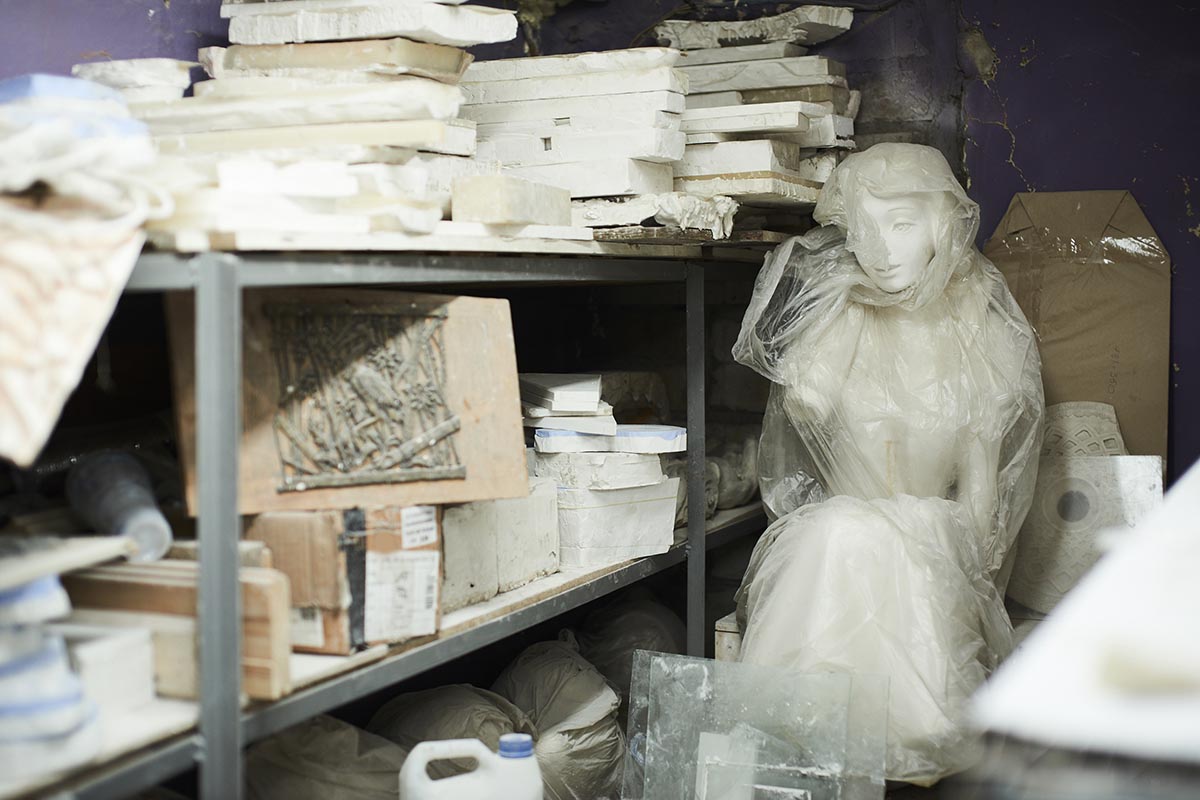
The longevity and preservation of sculptural materials hinge significantly on maintaining the right climate conditions.
For sculptors, choosing a storage unit with climate control is not just a preference but a necessity.
Various materials used in sculpture, from metals to clay, can be adversely affected by extremes of temperature and humidity.
A climate-controlled environment provides several benefits:
- Stabilized Temperature: Protects against warping and cracking.
- Humidity Regulation: Prevents mold growth and material degradation.
- Dust Minimization: Keeps the sculptures clean and undamaged.
- Air Quality Control: Ensures materials like wood don’t dry out.
- Protection from External Elements: Shields against environmental fluctuations.
Resources such as the Smithsonian Museum Conservation Institute offer comprehensive guidelines on preserving various art materials.
For sculptors, ensuring their storage space is equipped with climate control can make a significant difference in the lifespan and quality of their sculptures.
This attention to the storage environment allows artists to maintain the integrity of their works, ensuring they remain as intended for years to come.
Storage Solutions for Artists: Security Measures for Valuable Art
For sculptors, their creations are not just expressions of art but also valuable assets.
Ensuring the security of these pieces, especially when stored away from the studio or home, is paramount.
A storage unit offering robust security measures is, therefore, essential.
These units typically include features like surveillance cameras, which monitor the facility around the clock, providing a deterrent against theft and vandalism.
Key-coded entry gates and individual alarms on each unit add another layer of security, ensuring that only authorized individuals have access.
Well-lit corridors and spaces are also important, as they offer visibility and safety for artists accessing their work at any time.
Some storage facilities provide insurance options for added financial protection against unforeseen circumstances.
By choosing a storage unit equipped with these comprehensive security features, sculptors can have peace of mind knowing that their valuable creations are safeguarded.
This assurance allows them to focus on their craft without worrying about their work being compromised.
Access and Convenience for Artists
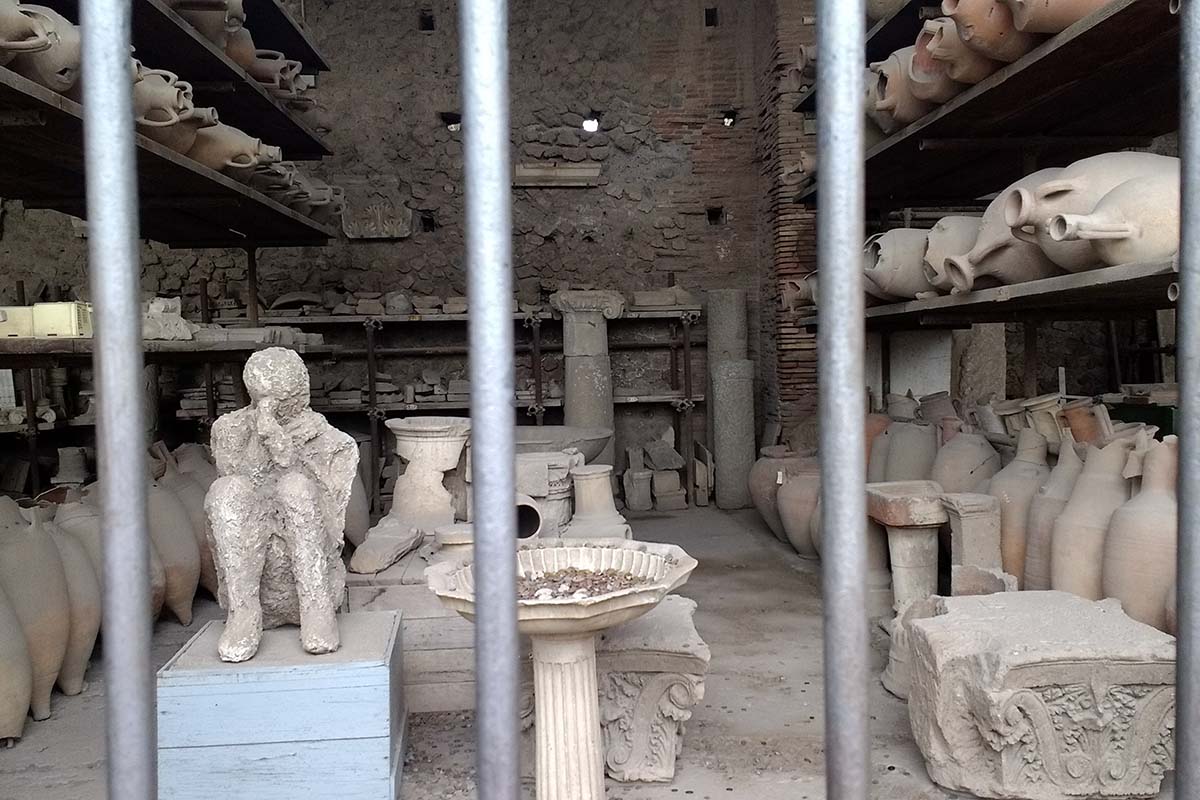
The accessibility of a storage unit is a critical factor for sculptors, who may need to retrieve or store their artworks at various times.
Convenient access to stored sculptures ensures a smooth creative process, particularly when inspiration strikes or when pieces are required for exhibitions.
Several aspects contribute to the convenience of using a storage unit:
- Flexible Hours: Many storage facilities offer 24/7 access, accommodating artists’ variable schedules.
- Location Proximity: Choosing a unit close to the studio or home reduces transit time.
- Ease of Loading and Unloading: Facilities with drive-up access or loading docks simplify the movement of large sculptures.
The American Alliance of Museums provides guidelines on art storage and handling, emphasizing the importance of ease of access for preservation and utility.
By selecting a storage unit that offers these conveniences, sculptors can ensure they have timely and effortless access to their work.
This ease of access not only aids in the practical aspects of sculpture storage but also supports the artist’s creative rhythm, allowing for an uninterrupted artistic process.
Cost-Effective Studio Space Alternatives
For many sculptors, especially those starting out or managing an online business, the cost of a studio space can be prohibitively high.
Self-storage units emerge as a cost-effective alternative, offering ample space for both creating and storing sculptures at a fraction of the cost of traditional studio rents.
These units provide the flexibility to scale up or down depending on the artist’s needs and financial situation without the long-term commitment and overheads associated with commercial property leases.
Additionally, the versatility of these spaces allows artists to set up a temporary studio, complete with their necessary tools and equipment, enabling them to work on their projects in a private, secure environment.
This affordability and flexibility make self-storage units an attractive option for sculptors, ensuring they can continue to create and grow their art practice even when budget constraints are a significant consideration.
Is Self-Storage for Sculptors Worth It?
Self-storage for sculptors can be worthwhile when it protects finished artwork, organizes materials, and frees valuable studio space.
Before renting a unit:
- Choose climate control for temperature- or humidity-sensitive artwork.
- Compare security features, insurance coverage, and access hours.
- Confirm which tools, chemicals, and materials the facility permits.
- Use shelves and raised platforms to keep sculptures off the floor.
- Label every box, mold, tool, and packaged artwork.
- Maintain an inventory with photographs and estimated values.
- Avoid using the unit as a workshop unless the facility explicitly allows it.
- Ensure the monthly cost supports productivity and artist shop earnings.
The right storage system reduces clutter, limits accidental damage, and simplifies preparation for exhibitions, deliveries, and sales.
Review your needs regularly so you pay only for useful space and features. With logistics under control, you can devote more energy to creating and growing your art business.