Early Childhood Learning Spaces: How Environments Shape Child Development
✨Key Points
Learning Environments Shape Growth – Nearly 80% of a child’s educational experience is influenced by the spaces where they learn.
Early Years Are Crucial – Ages 3–6 are a critical window where sensory-rich, stimulating environments drive brain development.
Play-Based Learning Matters –Balanced play within early childhood learning spaces nurtures creativity, problem-solving, and emotional intelligence in young children.
The environment where a child learns plays a critical role in their development, influencing how they think, interact, and grow.
In 2026, research continues to show that learning environments significantly impact academic outcomes, behavior, and long-term success.
According to the Organisation for Economic Co-operation and Development, factors like home environment, school quality, and emotional support are strongly linked to student performance and wellbeing.
But learning doesn’t happen in just one place.
Today’s educational experience is shaped by a connected ecosystem:
- Formal education (schools, classrooms;)
- Home learning environments and routines;
- Supplementary support (tutors, digital tools;)
- Early childhood settings that build foundational skills;
Each of these plays a role at different stages, from early development to career readiness.
That’s why understanding how to optimize these environments matters.
When parents and educators work together, they can:
- Create structured routines that support focus and consistency;
- Provide emotional and social support alongside academic learning;
- Use tools and strategies that help simplify homework and reduce stress;
- Build environments that encourage curiosity, independence, and confidence.
The goal isn’t perfection — it’s alignment.
When learning environments are connected and intentional, children don’t just perform better, they feel more supported, motivated, and capable.
In a world where education is evolving quickly, building this kind of ecosystem is one of the most effective ways to support holistic child development.
The Foundation Years: Early Childhood Learning Spaces
The Critical Window of Development
Ages three to six represent a critical window in brain development, where neural connections form at an unprecedented rate.
During these years, children’s brains are particularly receptive to environmental stimuli, making the quality of their surroundings exceptionally important.
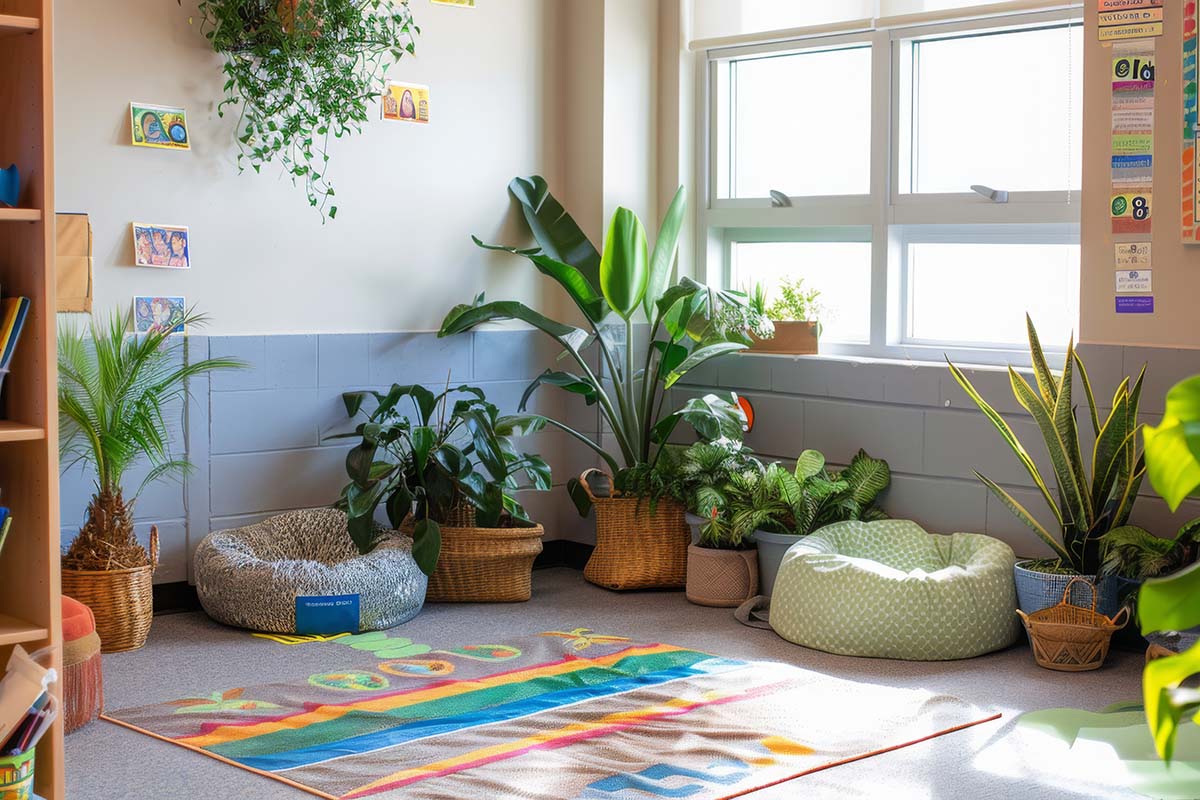
Sensory-rich early childhood learning spaces stimulate cognitive growth through multiple pathways simultaneously.
Colors, textures, sounds, and interactive materials work together to create neural pathways that form the foundation for future learning.
Play-Based Learning Environments
Play-based learning remains the cornerstone of effective early childhood education.
Within early childhood learning spaces, structured play activities help children develop problem-solving skills, creativity, and emotional intelligence without the pressure of formal assessment.
The best early learning centers understand this balance between structure and freedom.
Parents searching for a kindergarden near me should prioritize facilities that offer diverse play zones, outdoor exploration areas, and quiet spaces for reflection.
These environments should encourage both independent exploration and guided group activities.
Children need opportunities to make choices while still receiving appropriate support from trained educators.
Building Social and Emotional Foundations
Early childhood spaces must facilitate social interaction while respecting individual comfort levels.
Circle time areas, collaborative play zones, and peaceful corners all serve different developmental needs.
The physical layout directly impacts emotional security and confidence building.
Low shelving at child height, clearly defined activity areas, and consistent organization help children feel capable and independent.
Outdoor learning spaces deserve equal attention, offering opportunities for gross motor development and nature-based discovery.
Gardens, sandpits, and climbing structures provide essential sensory experiences that indoor environments cannot fully replicate.
Primary Education: Building Academic Confidence
Transitioning to Structured Learning
The shift from play-based to structured learning environments marks a significant milestone in a child’s educational journey.
Primary classrooms must balance academic rigor with age-appropriate engagement strategies.
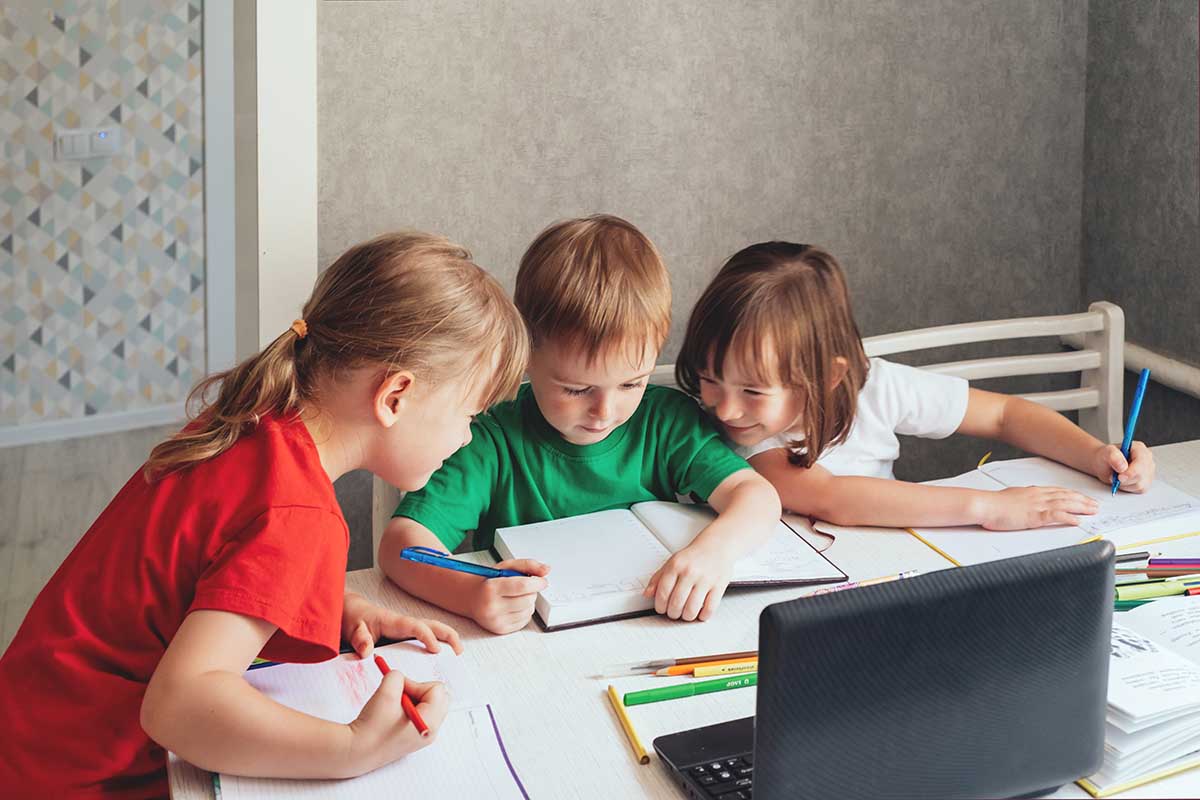
Successful primary learning spaces feature flexible seating arrangements that accommodate different teaching methods.
Traditional rows might work for direct instruction, while cluster seating supports collaborative projects and peer learning.
The Power of Personalized Attention
Smaller class sizes enable teachers to recognize individual learning patterns and adapt their approaches accordingly.
However, even with dedicated teachers, some students benefit from additional support outside regular school hours.
Quality supplementary education centers fill this gap effectively. A well-chosen primary tuition centre provides targeted support that complements classroom learning rather than simply repeating it.
These centers create environments specifically designed for focused academic work.
Quiet study areas, one-on-one tutoring rooms, and small group spaces allow for intensive skill development without distractions.
Environmental Factors That Enhance Learning
Lighting plays a crucial role in maintaining attention and reducing eye strain during reading and writing tasks.
Natural light remains ideal, but adjustable LED lighting can create optimal conditions throughout the day.
Temperature and air quality significantly impact concentration levels.
Studies show that students perform better in well-ventilated spaces maintained between 68-74 degrees Fahrenheit.
Color psychology also influences learning outcomes.
Soft blues and greens promote calm focus, while strategic use of warmer colors can energize and inspire creativity in specific areas.
International and Diverse Educational Systems
Embracing Global Perspectives
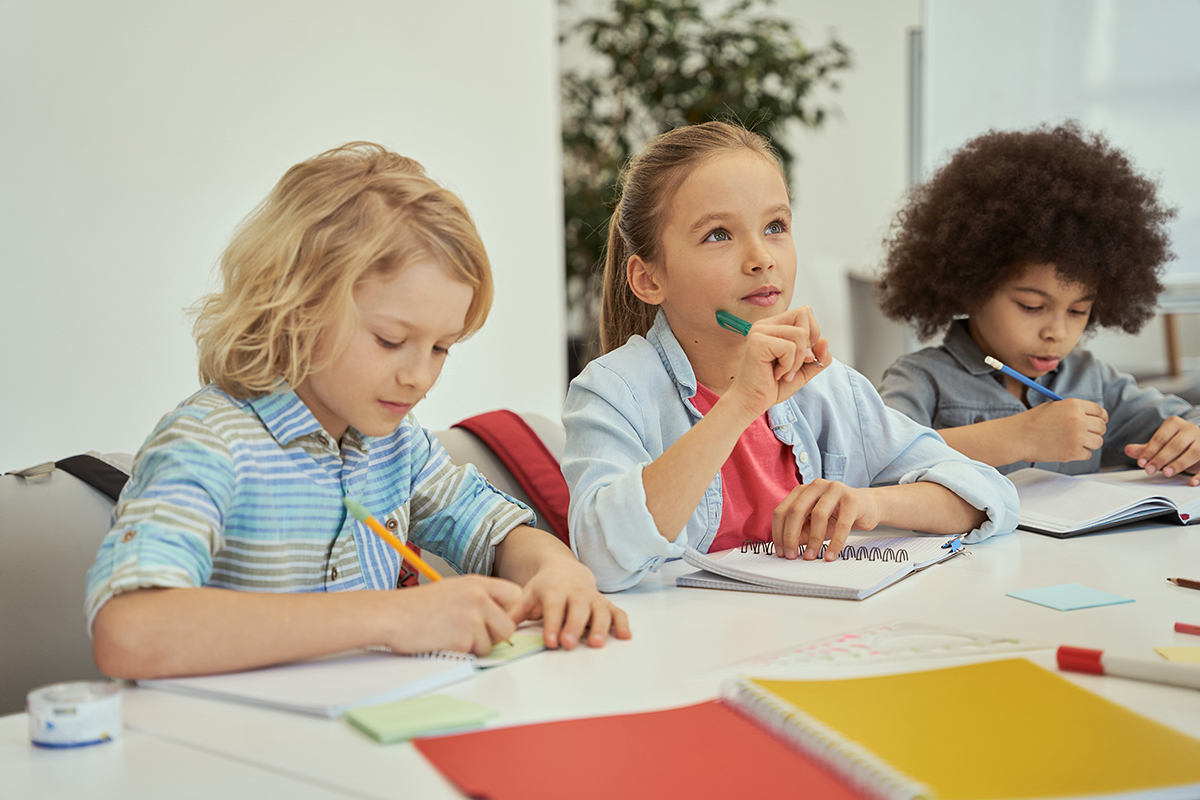
International schools create unique learning environments that prepare students for an interconnected world.
These institutions blend different educational philosophies, exposing students to varied problem-solving approaches and cultural perspectives.
The physical spaces in international schools often reflect this diversity through multicultural displays, multiple language resources, and flexible areas for different cultural celebrations and activities.
Understanding Different Academic Structures
Parents considering international education must understand how academic calendars vary between systems.
Knowing the international school terms Singapore schedule, for example, helps families plan transitions and align with different holiday patterns.
These varied schedules reflect different educational priorities and cultural values.
Some systems emphasize longer summer breaks for family time, while others distribute holidays throughout the year for consistent learning momentum.
Creating Inclusive Learning Spaces
International educational environments must accommodate students from various linguistic and cultural backgrounds.
Visual aids, translation resources, and culturally neutral decoration choices help all students feel welcomed and valued.
Technology integration becomes particularly important in these settings.
Digital tools can provide instant translation, offer differentiated instruction, and connect classrooms globally for collaborative projects.
The assessment methods in international schools often differ from traditional local systems.
Portfolio-based evaluation, continuous assessment, and project-based learning require different spatial arrangements and resource availability.
Specialized Support and Subject Mastery
Identifying When Extra Support Benefits Students
Every student encounters challenging subjects at some point in their academic journey.
Recognizing when additional support would help prevents small struggles from becoming major obstacles.
The learning environment for specialized tutoring differs significantly from regular classrooms.
One-on-one or small group settings allow for immediate feedback and customized pacing that builds confidence alongside competence.
Creating Optimal Tutoring Environments
Subject-specific expertise becomes crucial when tackling complex topics.
Students struggling with advanced sciences, for instance, benefit from working with a specialized biology tutor Melbourne who understands both the subject matter and effective teaching strategies.
These specialized learning environments should minimize distractions while providing necessary resources.
Whiteboards for problem-solving, reference materials, and quiet spaces for concentration all contribute to effective tutoring sessions.
The psychological aspect of tutoring spaces matters too.
Comfortable, non-intimidating settings help students feel safe making mistakes and asking questions they might avoid in larger classroom settings.
Building Long-term Academic Success
Regular tutoring in a consistent environment creates routine and expectation that supports learning.
Students know what to expect and can mentally prepare for focused academic work.
The relationship between tutor and student, fostered by the intimate learning environment, often becomes a powerful motivator.
This mentorship aspect extends beyond academic support to include study skills and confidence building.
Beyond Academic: Life Skills and Professional Preparation
Practical Learning Environments
Not all valuable learning happens in traditional academic settings.
Vocational and professional training environments offer hands-on experiences that prepare students for specific career paths.
These spaces prioritize practical application over theoretical knowledge.
Kitchens for culinary training, workshops for technical skills, and simulation labs for healthcare education all serve unique learning needs.
Professional Certification and Compliance Training
Career readiness often requires specific certifications beyond academic qualifications. Professionals in food service, for example, must obtain a food safety supervisor certificate nsw to ensure public health compliance.
These certification programs create focused learning environments that blend theoretical knowledge with practical application.
The settings often simulate real workplace conditions to ensure skills transfer effectively.
The assessment methods in professional training emphasize competency demonstration rather than written examination alone.
This approach requires learning spaces equipped for practical evaluation and skill demonstration.
Technology Integration Across All Learning Environments
Digital Tools as Learning Environment Enhancers
Modern learning environments must seamlessly integrate technology without letting it dominate the educational experience.
Interactive whiteboards, tablets, and learning management systems extend rather than replace traditional teaching methods.
Virtual learning environments have become increasingly important, offering flexibility and accessibility.
These digital spaces require careful design to maintain engagement and facilitate meaningful interaction.
Balancing Screen Time and Physical Activity
While technology offers powerful learning tools, physical movement remains essential for cognitive development.
Effective learning environments incorporate movement breaks, standing desk options, and active learning strategies.
Outdoor education technology, such as nature identification apps and environmental monitoring tools, bridges digital and natural learning environments.
This integration encourages exploration while developing digital literacy.
The Home Learning Environment

Creating Supportive Study Spaces
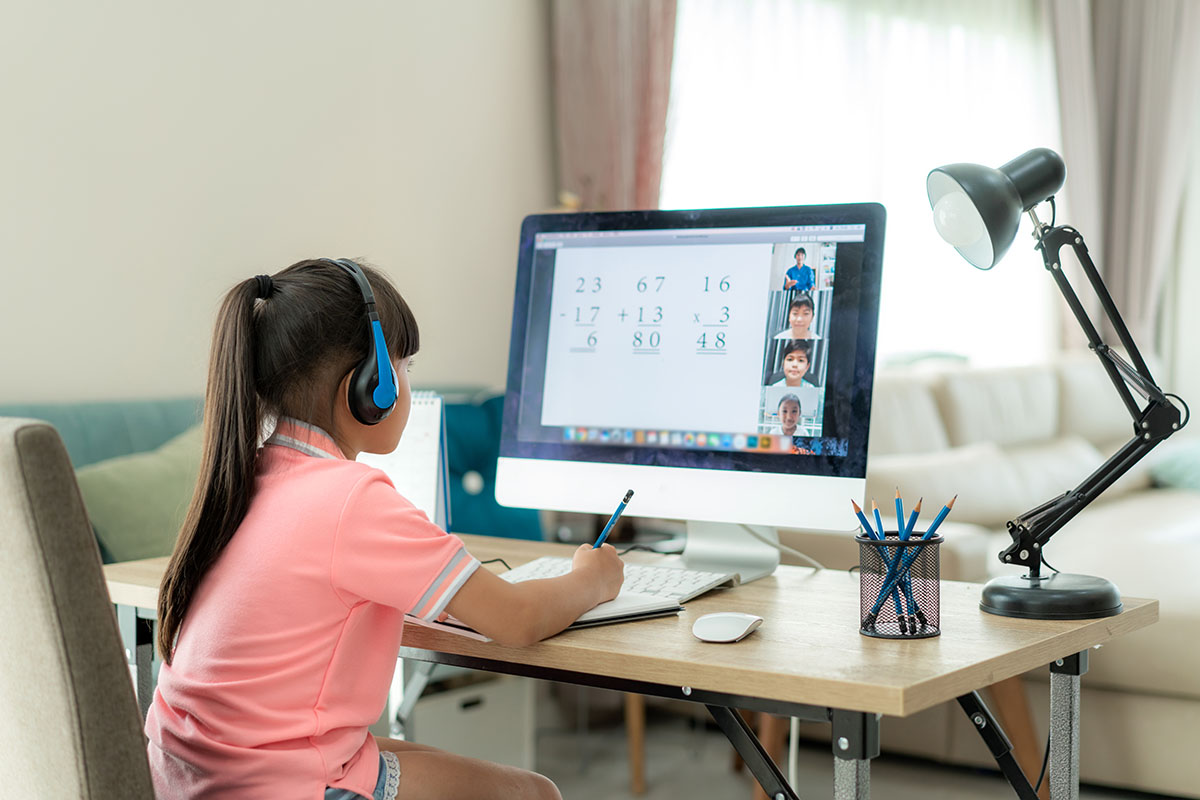
The home environment significantly impacts learning success, especially for homework and self-directed study.
Dedicated study areas signal the brain that it’s time to focus and learn.
These spaces need adequate lighting, comfortable seating, and organized storage for learning materials.
Minimizing distractions while maintaining comfort creates optimal conditions for sustained concentration.
Family Involvement and Learning Culture
The broader home environment shapes attitudes toward learning.
Families that model curiosity, reading, and intellectual discussion create invisible but powerful learning environments.
Access to books, educational games, and creative materials throughout the home encourages spontaneous learning.
These resources should be easily accessible and regularly refreshed to maintain interest.
Measuring Environmental Impact on Learning
Observable Indicators of Effective Environments
Student engagement levels provide immediate feedback about environmental effectiveness.
High participation rates, voluntary question-asking, and peer collaboration indicate well-designed learning spaces.
Academic improvements offer quantifiable evidence of environmental impact.
However, social development, confidence growth, and enthusiasm for learning provide equally important measures of success.
Continuous Improvement and Adaptation
Learning environments should evolve with student needs and educational research.
Regular evaluation and adjustment ensure spaces remain effective and relevant.
Feedback from students, teachers, and parents provides valuable insights for improvement.
This collaborative approach ensures learning environments serve their intended purpose effectively.
Creating Future-Ready Learning Environments
Preparing for Unknown Futures
Learning environments must prepare students for careers that may not exist yet.
This requires spaces that encourage adaptability, creativity, and continuous learning.
Flexible furniture, modular technology, and multipurpose areas allow environments to adapt as educational needs change.
This adaptability models the flexibility students will need in their future careers.
Sustainability and Environmental Consciousness
Modern learning environments should model environmental responsibility.
Energy-efficient lighting, recycling programs, and garden spaces teach sustainability through daily experience.
These elements create learning opportunities while demonstrating values.
Students learn that their environment reflects and shapes community priorities.
Conclusion
The learning environments children move through, from early years to advanced education, don’t just support education, they shape outcomes.
When these environments are thoughtfully designed and aligned, the results are clear:
- Stronger academic performance and focus;
- Greater confidence and independence;
- Better social skills and emotional resilience;
- A more positive attitude toward lifelong learning.
Parents and educators play a key role in making this happen.
By choosing the right schools, creating supportive home environments, and using tools that help simplify homework, they reduce stress and make learning more effective.
The goal isn’t just better grades — it’s long-term growth.
When learning spaces support curiosity, structure, and real-world skills (including STEM), children are more prepared for future challenges and opportunities.
Because in the end, the impact goes far beyond school.
A well-designed learning environment leads to better habits, stronger mindset, and a foundation that supports success throughout life.