Why So Many “New” Trends Feel Familiar During Uncertain Times
✨ Key Takeaways
Many trends framed as personal lifestyle choices emerge as collective responses to economic uncertainty
Wellness, nostalgia, and traditional roles often provide psychological stability when financial stability is threatened
Brands and influencers mirror cultural anxiety by presenting familiarity and safety as aspiration
Many things that are described as personal choices today are often shaped by economic trauma at a societal level, even when they appear deeply individual on the surface.
The way people live, the values they suddenly prioritize, and the lifestyles that feel comforting tend to shift when financial and political stability weakens.
What feels like a personal preference is often a response to uncertainty, loss of control, or long-term stress created by economic conditions.
During periods of instability, societies instinctively search for structure, familiarity, and emotional safety.
These needs rarely show up as explicit fear. Instead, they surface quietly through culture, trends, and the behaviors people start to normalize all at once.
This is why certain patterns begin to feel everywhere at the same time. Domestic life is rebranded as aspiration.
Wellness becomes moralized. Nostalgia turns into a dominant aesthetic.
These shifts are not random, and they are not simply individual lifestyle decisions happening in isolation.
They appear first through branding, influencer narratives, and cultural messaging, often long before people consciously recognize what is happening.
By the time a trend feels “natural,” it has already been responding to economic and political pressure for years.
Understanding this context does not mean rejecting these choices.
It means recognizing that culture often reacts to instability by reaching for what feels safe, familiar, and controllable.
What we call personal choice is frequently shaped by forces much larger than the individual.
Traditional Gender Roles: Predictability Disguised as “Nature”
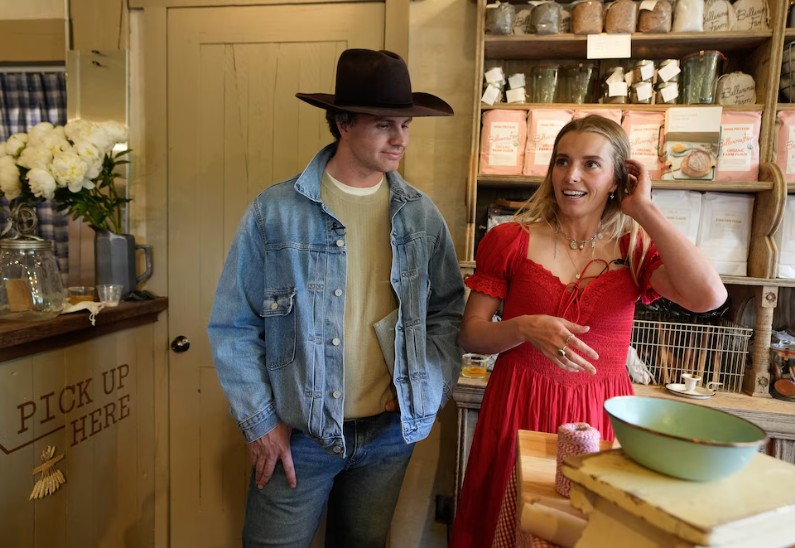
One of the clearest examples of economic trauma responses appears in the renewed emphasis on traditional gender roles.
When times feel uncertain, people gravitate toward predictability.
Historically, that predictability has often taken the form of rigid gender expectations.
During economic stress, women are encouraged to return to the home, while men are expected to reaffirm their role as providers.
Men are frequently raised to believe that their primary purpose in life is tied to work and financial contribution.
When layoffs, industry decline, or wage stagnation threaten that role, a sense of identity loss follows.
In response, societies often attempt to restore balance by reinforcing familiar structures, including traditional family roles.
This helps explain why resentment toward women in the workforce tends to increase during economic downturns.
The tension is rarely about women themselves.
It is more often rooted in fear, insecurity, and the loss of status that comes with economic instability.
Encouraging women to leave paid work becomes a symbolic attempt to restore order.
After World War II, this pattern became especially visible.
Women had filled essential roles in factories and offices during the war.
When men returned, there was a strong cultural push for women to step aside and return to domestic life.
The image of the 1950s housewife emerged during this period and has since been romanticized as natural and carefree.
In reality, this shift was not only about preference or femininity.
It was an economic and psychological response to large-scale disruption.
Returning women to the home helped reabsorb male workers into the labor market and created a sense of stability after years of uncertainty.
Today, similar dynamics are visible again, though they are framed differently.
Influencers and brands increasingly present domestic life, emotional softness, and withdrawal from ambition as empowerment or self-care.
While choosing such a life can be meaningful, the sudden cultural enthusiasm for it reflects deeper economic and psychological pressures.
Wellness Culture: Control When Money Feels Out of Control

Another prominent economic trauma response appears in the rise of wellness culture.
When people lose control over their finances, careers, or long-term security, they often seek control in areas that feel more immediate and manageable.
Health, routines, and personal discipline become substitutes for economic stability.
This pattern has historical precedent.
During the Great Depression, cleanliness and hygiene became important symbols of dignity and order.
Maintaining control over one’s environment provided comfort when the external world felt chaotic.
A similar shift occurred during the 2008–2009 financial crisis.
Research from that period found that life expectancy actually increased during the recession.
One explanation is that people drank less, ate out less, and lived more cautiously because of financial limitations.
In the current moment, wellness has expanded into a dominant cultural narrative.
Influencers focus on gut health, nervous system regulation, hormone balance, and highly structured daily routines.
Brands promote optimization as the solution to stress, fatigue, and dissatisfaction.
While taking care of health is beneficial, there is a subtle reframing that often occurs.
Structural problems are presented as personal failures.
People are told that their stress is caused by internal imbalance rather than external instability.
Responsibility shifts from systems to individuals.
This framing is appealing because it offers a sense of control.
It is also profitable, because it turns anxiety into a solvable problem that can be addressed through products, programs, and routines.
Nostalgia: Retreating Into a Safer Past
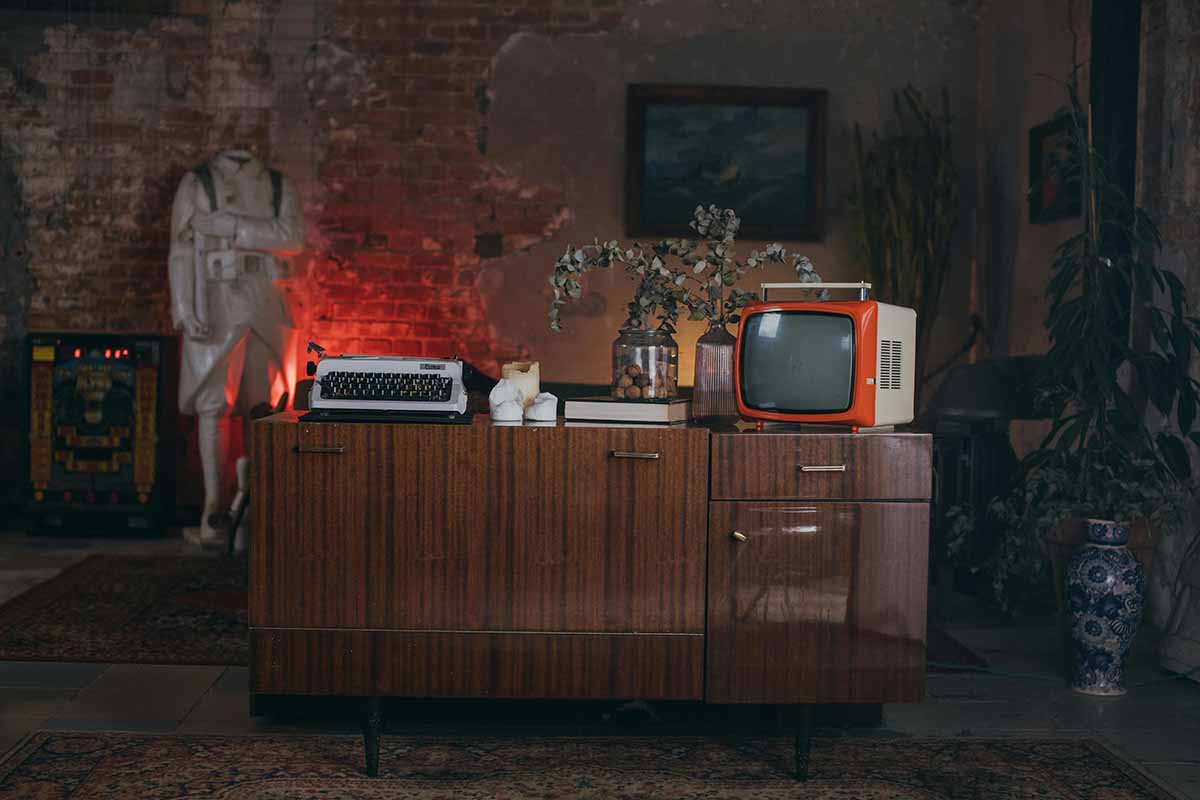
Nostalgia is another powerful response to economic and political uncertainty.
When the future feels unstable, people often retreat into idealized versions of the past.
Nostalgia provides emotional comfort and familiarity without demanding risk or innovation.
The entertainment industry relies heavily on this tendency.
Revivals, reboots, sequels, and retro aesthetics are financially safer than investing in new, untested ideas.
Familiar stories offer reassurance at a time when audiences already feel overwhelmed.
This is not a new phenomenon.
During the 1970s, a decade marked by economic strain and political upheaval, popular culture experienced a significant revival of 1950s imagery, fashion, and music.
The past became a refuge when the present felt uncertain.
Today, nostalgia extends even further back.
Culture romanticizes eras that many people never personally experienced.
Brands capitalize on this longing by selling comfort and emotional safety rather than progress or disruption.
Brands and Influencers as Cultural Mirrors

Brands and influencers do not create these shifts in isolation.
They reflect collective emotional states.
When domestic aesthetics surge, it reflects a desire for safety and containment.
When wellness narratives dominate, they reflect a search for control.
When nostalgia becomes central to culture, it signals fear of an unpredictable future.
Influencers translate these anxieties into lifestyles, and brands package them into aspirational messaging.
What feels like a personal preference is often shaped by shared economic and political conditions.
This does not mean that staying at home, prioritizing health, or enjoying nostalgia are wrong choices.
These decisions can be intentional and fulfilling.
The issue arises when they are framed as purely individual decisions without acknowledging the broader context that makes them appealing.
When interest in these themes rises suddenly and collectively, it is rarely accidental.
Economic and political instability shape culture quietly but powerfully.
Recognizing these patterns allows people to engage with them consciously rather than absorbing the anxiety beneath them without awareness.