Why AI 3D Generators Are the New Best Friend of Designers and Architects
Throughout history, designers and Architects have been creators of our built environment and have influenced all aspects of our physical experience from City Skylines to spatial aesthetics through their creative vision.
However, no matter how large or amazing a creative idea may be, creativity requires tools.
That’s where AI 3D Generators come to help; they provide the designer/architect with not just extra time but also the ability to use the AI 3D Generator as an intelligent collaborator on creative projects and accelerate the creative process; ultimately providing the designer with more creative options.
This isn’t some futuristic sound bite; but rather a disruption currently taking place within the architecture & design fields.
This article will explore the benefits that come along with using AI 3D Generators and give real-life applications and practical tips for maximizing the value of AI 3D Generators for designers/architects.
What Is An AI 3D Generator?
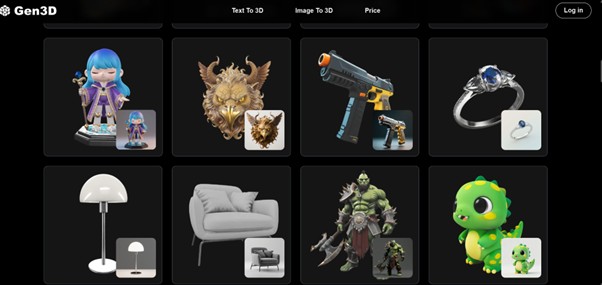
Before examining the benefits of AI 3D model creation tools, we should clarify exactly how these types of programs work.
Such systems employ artificial intelligence to produce three-dimensional representations of objects, and they do so at a significantly increased pace compared to conventional techniques.
After carefully examining the two previously mentioned features of an AI 3D model creation tool, we can get a better idea of how AI can enhance our ability to create models.
The Core Advantages of AI 3D Generators
1. Improved Efficiency in the Development Process of DesignTraditionally
3D models required considerable manual effort and numerous modifications before being completed; however, with the emergence of AI-based applications, companies can now generate a viable first version of a 3D model in a matter of minutes.
This has led to such an improved design efficiency, specifically in the Concept and Planning phases of design projects, that designers are much more able to concentrate on creative thinking and decision-making.
2. Eliminate Barriers to Professional Entry
3D models generated using AI-based tools are great for allowing anyone (regardless of level of experience) to be a part of the development of a 3D object.
Users are able to create high-quality models even if they do not possess a great deal of experience using software to create models, which provides tremendous benefit during cross-team collaboration and communications in the early phases of product development.
3. Facilitates Creative Investigation
The ability of any designer to quickly generate numerous iterations of their design using AI generative tools enables the designer to explore new designs, proportions and styles in a way that they have not previously done.
Using the “simultaneous multiple-solution” methodology assists designers in breaking away from traditional modes of thought and discovering opportunities to create a more successful design.
Typical Application Scenarios

In practical applications, AI 3D generators have already been used in various fields.
- Architecture and Urban Design: Used for massing generation, conceptual design exploration, and spatial relationship analysis;
- Interior and Spatial Design: Quickly create layout models and furniture prototypes;
- Game and Film Production: Generate scenes, props, and environmental assets;
- Product and Industrial Design: Conduct form exploration and preliminary structural modeling.
As evidenced by these application examples, AI 3D modeling has moved beyond being an industry-specific tool to now be used across many industries as a general design software.
Practical Tips for Using AI 3D Generators
When you utilize Image to 3D there are some important considerations that need to be taken into account.
The first thing is that you should always make sure that the input information provided to the AI is clearly defined, as it greatly increases the level of compliance between the actual results produced by the AI and your expectations of those results.
The second thing is to view the model produced by the AI as the first iteration (or rough draft) when creating a new design; rather than as the finished product.
Using the model produced by the AI in conjunction with traditional modeling software gives designers much greater control over the details and overall quality of the design.
By combining the human creative element with artificial intelligence capabilities, experience has shown that the results produced are often more efficient and optimal than either could produce alone.
Conclusion
Text to 3D is gradually becoming an important tool in the design industry.
It improves efficiency and expands creative boundaries, while also posing new skill requirements for designers.
In this era of accelerating change, proactively understanding and embracing AI may be key for designers to maintain their competitiveness.