Action-Based Plan for Activities in Seattle: Beat the Seattle Freeze Month by Month
✨ Key Points
- Follow a weather-proof Seattle activities plan to stay social year-round and avoid seasonal isolation.
- Learn how to beat the Seattle Freeze in 2026 with a month-by-month strategy for real connection.
- Discover where to meet people in Seattle by month through seasonal events, hobby groups, and local traditions.
People either love Seattle or quietly struggle in it, and most of the time the complaints circle back to one thing: the Seattle Freeze.
People don’t struggle here because they’re “bad at making friends.”
They struggle because they don’t understand the Seattle seasonal rhythm.
I’ve heard the debate around the Seattle Freeze for years. Personally, I never fully believed it was some cold, permanent social wall.
What I did notice as a blogger constantly asking people how it’s really been for them to live here and find friends is that most frustration comes from timing, not personality.
Someone moves here in March. They attend one networking event. They grab coffee with a coworker. Maybe they try a meetup group.
By November, they’re searching things like:
- how to beat the Seattle Freeze 2026
- why is it so hard to make friends in Seattle?
- seattle social scene for newcomers.
- moving to Seattle 2026 survival guide.
The real issue isn’t that people are unfriendly. It’s that Seattle is a month-by-month city.
Energy shifts with daylight hours, weather patterns, and work cycles.
If you don’t align with those rhythms, it feels like everyone else already has their circle — and you’re late.
This guide is my answer to that frustration. It’s not just a list of events.
It’s a Seattle monthly social calendar 2026 built around social integration and seasonal resilience.
It’s about making friends in Seattle month-by-month while also understanding the everyday economics of living in Seattle because timing your social life around seasons, budgets, and local rhythms matters.
It’s knowing when to focus on winter networking in Seattle, when free summer festivals make connection easier, and where to meet people in Seattle by month instead of randomly showing up, overspending, and hoping something clicks.
Because the way you build community in January is completely different from how you build it in July.
- Winter is built for small-group consistency, hobby-based communities in Seattle, and structured indoor gatherings that foster depth.
- Spring opens outdoor momentum and niche interest groups, which are ideal for newcomers seeking community in the Pacific Northwest.
- Summer lowers social barriers through waterfront events, festivals, and shared experiences that make introductions easier.
- Fall is when routines return, and that’s where long-term Seattle lifestyle integration for professionals really happens.
As someone who has spent a decade here — and who actively asks others about their experience building community in the Pacific Northwest I can tell you this: connection in Seattle isn’t random.
If you’re searching for a real way to beat the Seattle Freeze, this isn’t theory.
This is a lived-in, weather-proof Seattle social activities blueprint designed to help you build friendships that actually last.
Because connection happens by rhythm. And this is the plan, month by month.
Seasonal Experiences That Make Seattle Feel Like Home

January
January is mountain season. This is when you lean into winter instead of fighting it.
Skiing at Stevens Pass, local laps and night skiing at Snoqualmie, cross-country skiing at Hyak, snowshoeing through forest trails, and choosing lower-elevation winter hikes when conditions allow.
It’s building snowmen, throwing snowballs, or claiming a cozy lodge corner and soaking in that ski-town energy.
On the drive out along Highway 2, you stop for coffee at a well-known chalet-style café overlooking the mountains the kind of place where skiers warm up, boots drying by the door, steam rising from mugs while snow falls outside.
Some weekends turn into full lodge stays, renting cabins with winter views and hot tubs, letting the cold air and mountain silence reset you.
And when you want bigger terrain, it becomes a border run to Whistler, Canada, for full alpine immersion.
We’re getting into the mountains, because this is how you actually live Seattle winter you don’t escape it, you use it.
February
February is our winter escape.
This is when we shift from quick mountain laps to full winter atmosphere.
Euro-town vibes only.
Leavenworth becomes the easy choice Bavarian architecture dusted in snow, slow mornings with strong coffee, long river walks, cozy wine bars, and evenings that feel like you’re somewhere in the Alps without leaving Washington.
You book a small inn, rent a cabin just outside town, or grab a fireplace suite and actually stay the night instead of rushing back.
If you want bigger energy, we cross the border and head to Whistler.
Pedestrian village lights, alpine terrain that stretches for miles, spa afternoons, après-ski that turns into dinner reservations, and that unmistakable international ski-town buzz.
It feels like a proper winter getaway without needing a flight to Europe.
February is also perfect for:
- Snowshoe weekends followed by hot tub nights;
- Nordic skiing mornings and slow café afternoons;
- Scenic winter drives through Stevens Pass just for the views;
- Booking a midweek mountain stay when it’s quieter and more local;
- Valentine’s or Galentine’s cabin escapes with friends.
January is about using the mountains. February is about savoring them. This is winter lived intentionally not endured.
March
March means spring is almost springing but in Seattle, that transition is subtle and strategic.
This is shoulder season.
You’ll get sunbreaks, longer daylight, and the first real hint of color but also surprise rain and chilly mornings. The key is planning flexible outdoor time.
Start with the iconic cherry blossoms at the University of Washington.
Peak bloom usually hits mid-to-late March, but timing shifts every year depending on winter temperatures.
Go early in the morning on a weekday if you want space to actually enjoy it instead of navigating crowds.
March is also ideal for:
- Walking through Washington Park Arboretum as magnolias and early blooms open;
- Visiting Kubota Garden for quieter paths and early spring color;
- Exploring neighborhood parks like Volunteer Park or Discovery Park between rain windows;
- Planning low-elevation hikes as snow begins to melt;
- Pairing outdoor time with nearby cafés so you have a warm fallback option.
This is the month to test your rhythm again — shorter hikes, city gardens, park meetups, photography walks.
You’re easing back outside without fully committing to summer energy yet.
March is the reset button. And if you pay attention, it’s one of the most beautiful transitions Seattle offers.
April
April keeps the floral energy going with a little European twist. The Skagit Valley Tulip Festival is the headline.
Endless fields of color, mountain backdrops, and that “Did we just land in the Netherlands?” feeling — minus the plane ticket.
Go early, check bloom updates, and make it a relaxed half-day trip.
But April is also when we slowly return to the city. The days stretch longer.
Waterfront sunsets start pulling people outside again. Golden hour along Elliott Bay feels like a reward after winter.
And then we restart a tradition: First Thursday Art Walk. You gather with friends at a bar, then explore Pioneer Square galleries together.
You meet artists, talk to strangers who love art, and reconnect with familiar faces.
It’s low pressure, easy movement, and real conversation.
April isn’t summer yet. It’s the soft reopening of the city and your social life.
May
May is whale-watching season before peak summer crowds take over.
This is the sweet spot.
You book a tour out of the city or hop on a ferry to the islands and make the day about being on the water.
Orcas, gray whales, sea lions — even if sightings vary, the experience itself feels expansive. The Sound starts calling you back outside.
May is also when Seattle fully stretches into longer evenings.
You’re catching sunsets at Alki Beach, staying out later without planning to, walking the shoreline while the sky shifts pink and gold behind the skyline.
What starts as “just a walk” turns into two hours of conversation.
Social energy rises naturally this month.
You say yes to more things:
- Brewery meetups and patio season openings;
- Outdoor fitness groups and run clubs;
- Farmers markets reopening with real momentum;
- Casual ferry days that feel like mini-vacations;
May feels lighter, and less layered, and more spontaneous.
It’s water, movement, longer walks, and social plans that don’t feel forced.
This is when Seattle starts to feel open.
June
June might be my favorite. The days are long really long and the city finally feels fully awake.
Light lingers past 9 p.m., and you start planning evenings instead of rushing home.
This is Mariners season in full swing.
Weeknight games feel social and easy, whether you’re there for baseball or just the atmosphere.
You grab friends, split snacks, stay for the sunset over the stadium, and let it turn into a full summer night. Art walks.
Pike Place becomes less about tourists and more about routine.
You pick up fresh fruit, pastries, maybe flowers, then head toward the waterfront for an impromptu picnic. Blanket down. Ferries drifting by. Music in the distance.
June is also prime for:
- Golden-hour walks along Elliott Bay;
- Rooftop bars reopening consistently;
- Outdoor movie nights and early festivals;
- Post-work park meetups that stretch late;
This is peak “live outside” energy.
July
July gets active. This is alpine lake season.
Unreal views, clear cold water, mountain air that makes you stop and say, “Is this real life?” Yes, it is.
You’re hiking to places like Colchuck, Snow Lake, or any of the dozens of blue-water gems within a few hours of the city. Early starts matter.
So does checking conditions. This is peak PNW summer payoff.
July also brings Seafair energy boats, events, the Blue Angels
and day trips to the Sequim Lavender Festival when the fields turn purple and fragrant under full sun.
August
August is also road trip season, and this is when you start exploring beyond the immediate Seattle bubble.
Some weekends you head west to the coast, rent a cabin near the ocean, or camp close enough to hear the waves at night.
You take long beach walks, layer up when the sun drops, and let the salt air reset your nervous system.
Other weekends, you drive east. Spokane offers a completely different rhythm, with Riverfront Park, warm dry evenings, and a slower pace that feels almost like another state.
Eastern Washington opens into desert landscapes, wide skies, golden hills, and unexpected wineries tucked into quiet valleys.
Following the Columbia River becomes its own experience.
You pull off at scenic viewpoints, watch windsurfers in the Gorge, and take in dramatic cliffs and open horizons that feel nothing like the dense greenery of the west side.
August is about contrast.
You move between ocean mist, lake sunsets, desert heat, and river drives. You leave the city on purpose, and you come back clearer.
September
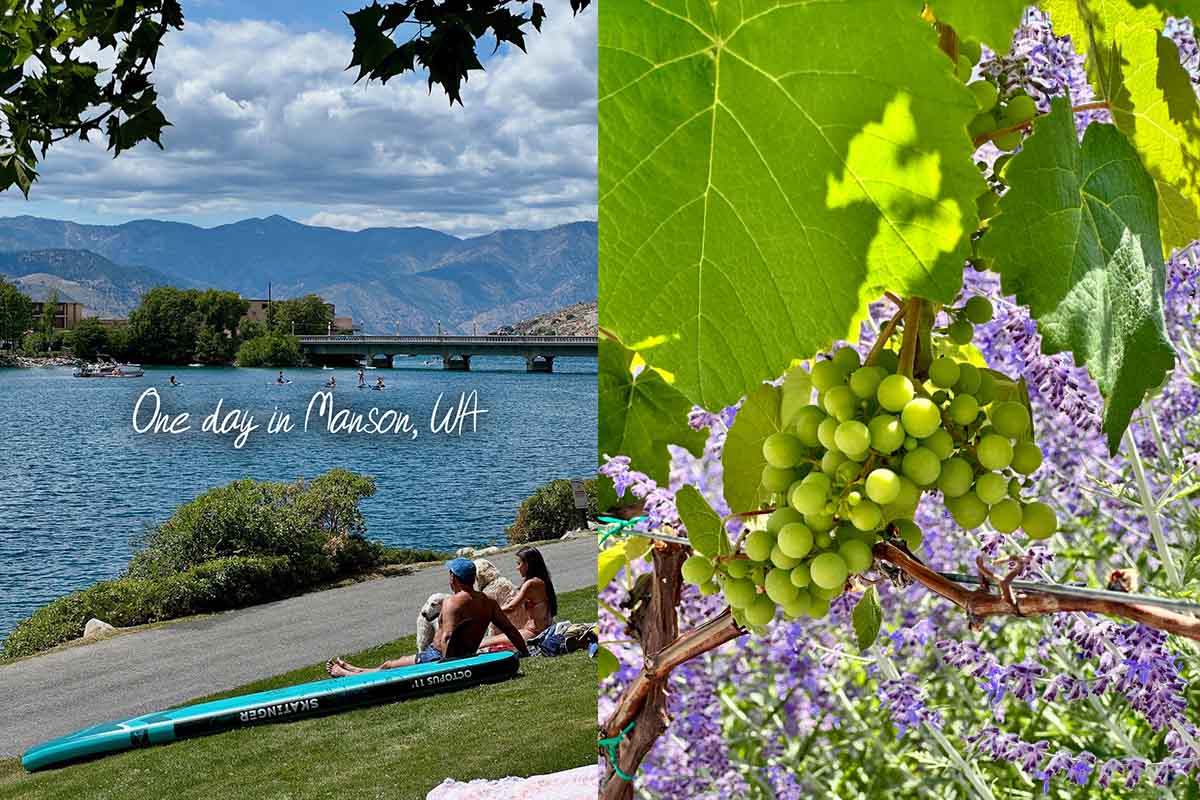
September is wine time.
The air turns softer, the crowds thin out, and everything feels just a little more intentional.
Woodinville makes the perfect easy day trip.
You can visit multiple tasting rooms without rushing, walk between wineries, book a patio reservation, and still be home by evening.
It feels relaxed, social, and low effort the kind of plan you can suggest midweek and actually follow through on.
If you want something more immersive, you head to Walla Walla for a full weekend escape.
You stay at a small inn, schedule vineyard tastings, book a thoughtful dinner reservation, and let the golden light stretch across the fields.
The pace is slower, conversations last longer, and the entire weekend feels curated without being complicated.
September still carries summer warmth, but the energy shifts.
It becomes less about big crowds and more about good wine, good food, and deeper connection.
October
October is peak fall in Washington, and this is when the entire region leans into it.
You drive out to pumpkin patches in Snohomish or Carnation, walk through corn mazes, and pick up cider donuts that are somehow always better eaten outside in cold air.
You visit local cideries for tastings, especially in places like Capitol Hill or Ballard, where fall menus quietly take over.
The road trips get even better this month. You plan scenic drives over Stevens Pass to catch changing larches, head toward Leavenworth for crisp mountain air and golden trees, or explore neighborhoods like Capitol Hill and Queen Anne when the streets are lined with orange and red leaves.
October is also prime hiking season at lower elevations.
The temperatures are cooler, the trails are less crowded, and the fall colors make even familiar routes feel new. Weekend farmers markets feel richer, slower, and more seasonal.
Back in the city, you lean into cozy layers and indoor rituals. You meet friends for warm drinks, book a cabin weekend before snow hits, or plan a fall dinner gathering at home.
October feels like a reset. It’s active but grounded. Social but slower. A deep breath before the holidays arrive.
November
December
Save this. Send it to your PNW bestie. This is how we’re wandering in Seattle
Tell me what month are you most excited about? ✨