
✨ Key Points
- Surface cleaning isn’t enough—appliances need deep cleaning to stay safe and efficient.
- The right tools make burnt – on grease and grime far easier to remove.
- Building a simple cleaning toolkit turns a dreaded chore into a manageable routine.
The kitchen is undeniably the engine room of the home.
It is where meals are created, homework is finished, and parties inevitably congregate.
However, because it sees such high traffic and heavy use, it is also the room that accumulates the most stubborn grime.
Grease, burnt-on carbon, and food residue do not just look unsightly; they can affect the performance of your appliances and even the taste of your food.
Many homeowners fall into the trap of superficial tidying.
We wipe down the counters and sweep the floor, thinking the job is done.
While it is crucial to stay on top of general maintenance, much like checking off those spring cleaning tasks to protect your home’s exterior, we often overlook the deep cleaning required for the heavy machinery inside.
Your oven, range hood, and refrigerator need more than a quick wipe.
They require a dedicated “rescue” strategy and the right toolkit to keep them running safely and efficiently.
Building Your Deep Cleaning Arsenal
You would not try to fix a leaking pipe with sticky tape, and you should not try to deep clean a greasy appliance with a simple paper towel.
To tackle the specific challenges of kitchen grease and burnt-on food, you need a toolkit designed for the job.
Before you stock up on supplies, it is important to assess the current state of your kitchen.
If your appliances have not been deep cleaned in years, a manual attempt might be overwhelming.
Many locals find that booking oven cleaning in Perth services for an initial factory-reset clean provides a hygienic baseline that is much easier to maintain.
Once you have a manageable foundation, having the following items on hand turns a daunting chore into a manageable project.
Here are the essential tools every home “kitchen rescuer” needs:
- The Razor Scraper: This is the secret weapon for glass stovetops and the inside of oven doors. A specialised razor scraper held at a 45-degree angle can lift burnt-on carbon that scrubbing pads simply glide over. It is effective and satisfying to use. It removes thick layers of grime without scratching the glass if used correctly, but be careful to avoid cutting into rubber seals or silicone caulking.
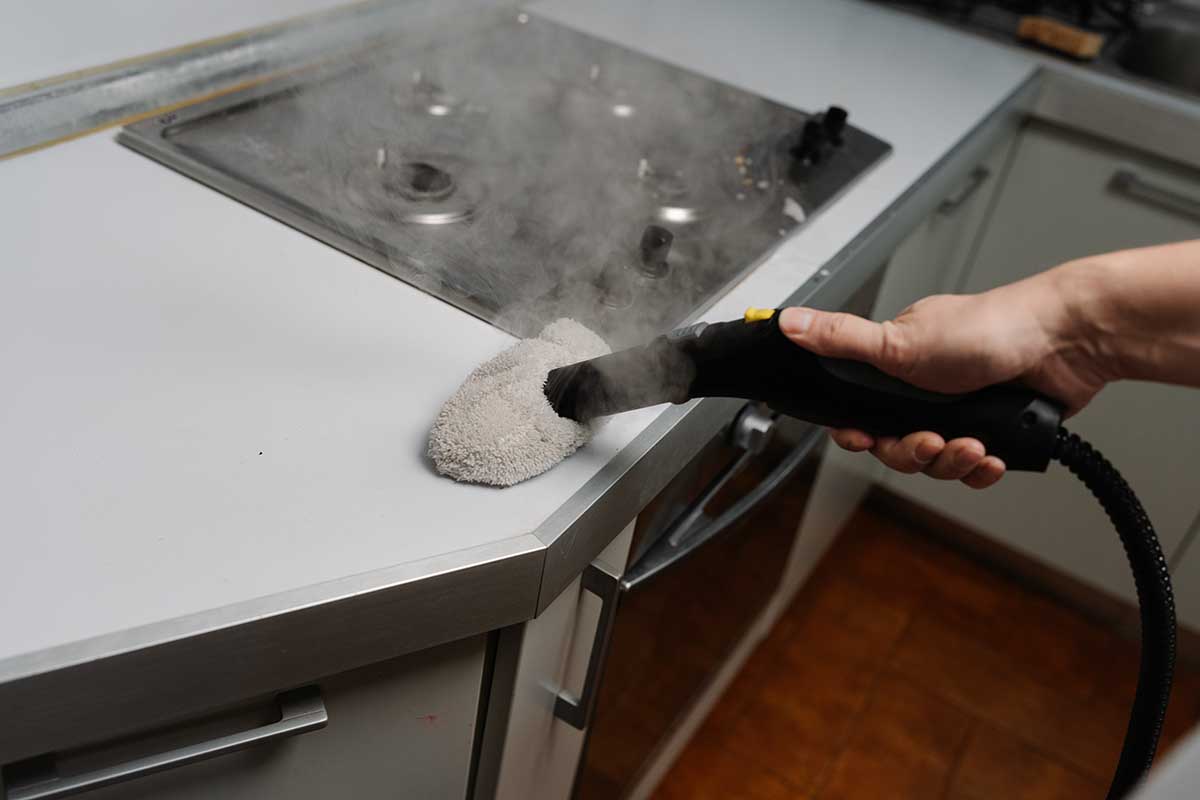
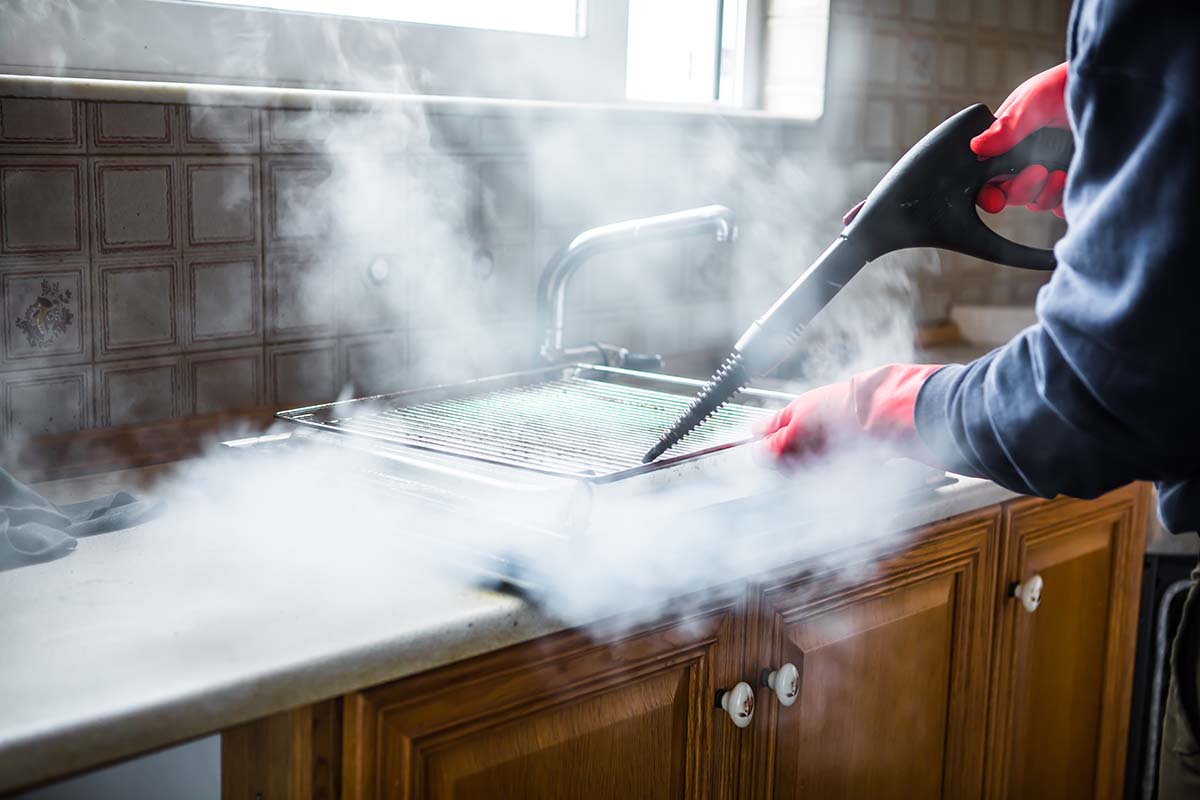
- A Handheld Steam Cleaner: Grease is stubborn, but it hates heat. A handheld steamer shoots hot, pressurised steam into crevices that a sponge cannot reach. It is perfect for melting sticky residue on range hood filters, sanitising fridge seals, and blasting gunk out of microwave corners without using harsh chemicals. The high temperature also helps kill bacteria, making your food preparation surfaces safer.
- Enzymatic Degreasers: Traditional surface sprays often fail against heavy cooking oils. Enzymatic cleaners work biologically to break down the proteins and fats in the grease, making it easy to wipe away. They are particularly useful for the tops of cupboards and the exterior of the range hood where dust mixes with oil to form a sticky paste.
- Microfibre Polishing Cloths: After the heavy lifting is done, you want a streak-free finish. Stainless steel appliances are notorious for showing fingerprints. A high-quality microfibre cloth, used dry or with a specific stainless steel oil, restores the showroom shine. Look for clothes with a tighter weave for glass and steel, and use fluffier versions for general dusting.
The Safety Imperative
Deep cleaning is not just about aesthetics; it is a critical safety measure.
Over time, the fat that splatters during roasting and frying coats the interior of your oven and the mesh of your range hood. This buildup acts as a fuel source.
When you cook at high temperatures, this residual grease can smoke, ruining the flavour of your dinner.
In worst-case scenarios, it can ignite.
According to the Country Fire Authority (CFA), the kitchen is one of the most common areas for house fires to start, often due to unattended cooking or accumulated flammable materials like grease.
Regular deep cleaning reduces this risk significantly, ensuring that the only thing cooking in your kitchen is the food.
Furthermore, a clean appliance is an efficient one.
A refrigerator with dusty condenser coils has to work harder to keep food cool, driving up energy bills.
An oven with a blackened thermostat sensor may not hold the correct temperature, leading to undercooked or burnt cakes.
Keeping these components clean ensures your appliances last longer and operate at peak efficiency.
The Ultimate Professional Detailing Tool
While your home toolkit is perfect for maintenance and smaller appliances, there is one task that often defeats even the most enthusiastic cleaner: the oven interior.
The racks, the fan, and the ceiling of the oven are notoriously difficult to clean.
Domestic products often lack the power to dissolve years of carbonisation, and the fumes from supermarket oven cleaners can be overpowering and unpleasant.
For this specific heavy-duty task, the most effective “tool” in your arsenal is a professional service.
Professional technicians have access to dip tanks.
These are heated vessels mounted in their vans where racks and trays are soaked in bio-safe solutions to strip away carbon completely.
This level of clean is nearly impossible to achieve with a sponge and a bucket.
By disassembling the door to clean between the glass panels and removing the fan cover to access the heating element, a professional service restores the appliance to a near-new condition.
It saves you hours of scrubbing and ensures that the hazardous grease buildup is completely removed rather than just moved around.
Establishing a Maintenance Routine
Once you have rescued your kitchen with a deep clean or a professional visit, the goal is to maintain that standard with minimal effort.
Prevention is always easier than the cure.
Incorporating these small habits into your weekly schedule will prevent the need for another major rescue mission soon.
Weekly Maintenance Checklist:
- The Fridge Audit: Before your weekly grocery shop, toss out expired items and wipe up any spills on shelves immediately. Sticky jams and sauces harden quickly in the cold environment, becoming much harder to remove later.
- Microwave Steam: Place a bowl of water with lemon slices in the microwave and run it for three minutes. The steam loosens dried food, allowing you to wipe the interior clean with a single swipe. The lemon also neutralises any lingering odours.
- Dishwasher Filter: Remove and rinse the filter at the bottom of your dishwasher. Food particles trapped here can cause odours and reduce washing performance, leaving grit on your “clean” dishes.
- Range Hood Filters: Most metal mesh filters are dishwasher safe. Pop them in once a fortnight to prevent them from becoming clogged with sticky oil, which can restrict airflow and strain the fan motor.
The Final Polish
A clean kitchen elevates the feeling of the entire home.
It transforms cooking from a chore in a cluttered space to a joy in a functional environment.
By equipping yourself with the right physical tools, such as scrapers, steamers, and degreasers, and knowing when to bring in professional reinforcements for the heavy lifting, you can extend the lifespan of your appliances and ensure your home remains safe and hygienic.
Treat your appliances as the valuable investments they are.
With a little technical know-how and the right approach to maintenance, your kitchen will remain the sparkling heart of your home for years to come.