
When Damaged Sealant Around Penetrations Signals a Need for Professional Repair
✨ Key Points
- Small cracks in sealant might look harmless, but they’re often the first sign water is sneaking into your roof.
- Roof penetrations like vents and skylights fail faster because multiple materials meet and move in one tight spot.
- Damaged sealant can quickly lead to bigger issues like rotted decking or interior leaks if ignored too long.
Small roof problems rarely announce themselves with a dramatic failure.
More often, the first clue is a narrow ring of cracked sealant around a vent, a gap near the flashing, or a faint stain that appears indoors after bad weather.
For homeowners thinking about roof repair ogden, those details are easy to underestimate, but they often point to one of the most vulnerable parts of the roof system.
Penetrations such as plumbing vents, exhaust outlets, skylights, and metal stacks interrupt the surface and create joints where cracked sealant can quickly lead to leaks.
When the sealant around those areas dries out, pulls away, or splits, water gains direct access to materials that are not meant to stay wet.
What looks minor from the ground can quickly become a repair issue that affects flashing, underlayment, decking, and even interior finishes.
This rewrite is based on the uploaded draft.
Why Penetrations Fail Before Other Areas
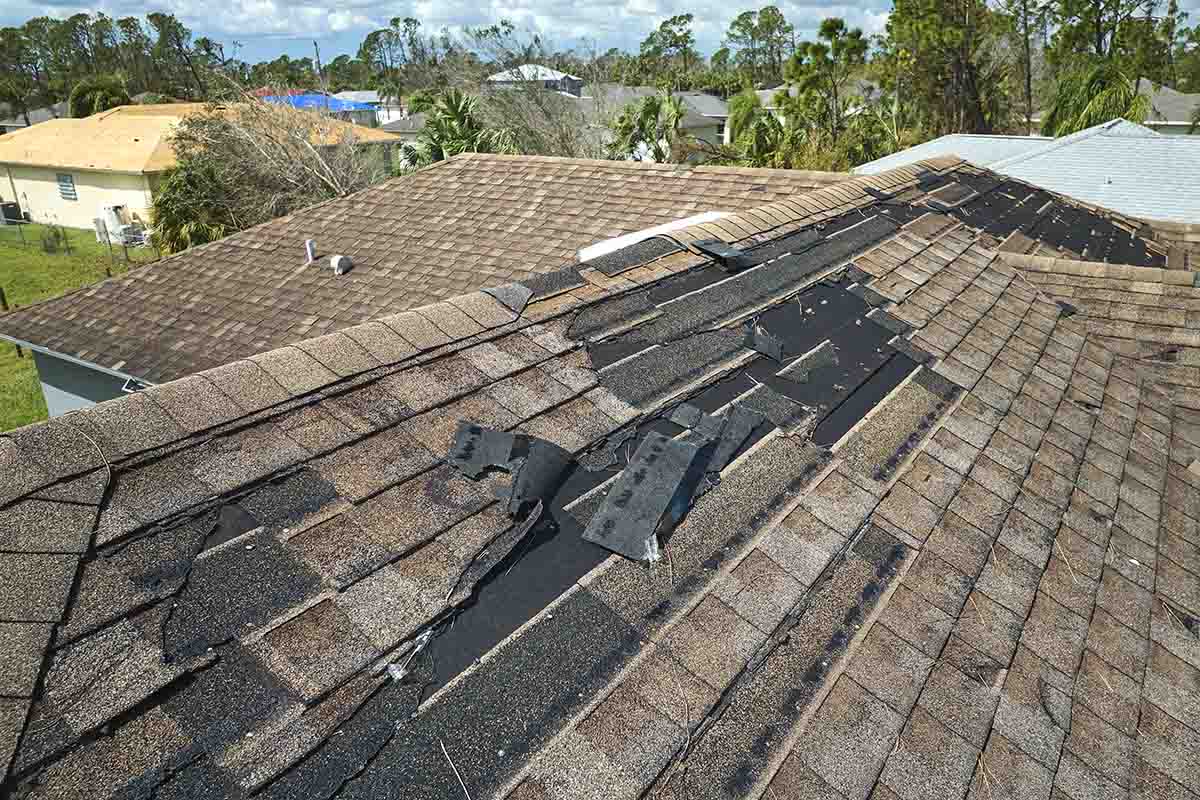
A broad field of shingles sheds water with relatively few interruptions.
Penetrations differ because they combine several materials in a single small space.
Rubber boots, metal flashing, fasteners, and sealant all have to perform together.
If one part starts to fail, the surrounding area is exposed much sooner than the main roof surface.
Sealant is especially vulnerable because it sits at the edge of movement.
Roof materials expand in heat and contract in cold.
Wind adds vibration. Moisture works into tiny openings and then changes the condition of nearby materials.
Over time, the sealant can harden, crack, or separate from the surface it was meant to protect.
Once that bond is lost, water can begin slipping beneath the visible layer.
This is why penetrations deserve close attention during any inspection.
A roof may look sound from a distance, while trouble is already forming around a vent pipe or flashing edge.
What Damaged Sealant Usually Looks Like
Homeowners do not need to diagnose every roofing component to spot warning signs.
In many cases, failing sealant is visible before a leak becomes obvious indoors.
Common signs include brittle edges, shrinkage, gaps where the sealant has pulled away, surface cracking, or repeatedly patched areas.
Sometimes the problem appears as discoloration around a penetration or as debris collecting in a place that should remain sealed.
Inside the home, the first clue may be damp insulation, a ceiling stain, peeling paint, or a musty smell near the upper level.
These signs matter because they suggest the protective detail around the penetration is no longer dependable.
A quick surface patch may hide the issue for a short time, but it does not always address the reason the sealant failed in the first place.
Why a Small Opening Can Lead to Bigger Repairs
Water rarely stays where it enters.
Once it gets through a failed joint, it can travel along wood, soak insulation, stain drywall, and remain hidden long enough to create a much larger repair.
That is what makes damaged sealant around penetrations so deceptive.
The visible crack may be small, but the affected area beneath it may not be.
A leak around a vent or skylight can also weaken nearby components.
Flashing may corrode. Fasteners may loosen.
Wood decking can soften after repeated exposure. In some cases, the repair is no longer limited to resealing a single joint because moisture has already spread into the surrounding layers.
That is where professional evaluation becomes important.
A contractor should not only look at the cracked sealant itself but also check the flashing, the penetration boot, the surrounding shingles, and any evidence of moisture below the surface.
Signs the Problem Has Moved Beyond Simple Maintenance
Not every worn bead of sealant means the roof needs major work.
Some areas can be repaired cleanly if the issue is caught early.
The concern grows when the failing sealant is paired with other signs of stress.
A more serious repair may be needed when there is repeated leaking after storms, recurring staining, cracked sealant, visible deterioration around the penetration, loose flashing, soft spots in the roof deck, or signs that earlier patch jobs have failed.
Those clues suggest the issue is no longer just surface wear.
At that stage, the goal is not to smear on more material and hope for the best.
The goal is to identify where water is entering, remove any compromised components, and rebuild the detail so it sheds water properly again.
What Professional Repair Should Actually Include
A proper repair around a roof penetration should start with inspection, not guesswork.
The contractor needs to determine whether the failure is limited to the sealant or whether it involves flashing, shingles, boots, fasteners, or the deck beneath them.
In many cases, lasting repair means replacing worn components rather than simply coating them.
A vent boot that has split should be replaced.
Flashing that has pulled loose should be reset or changed.
Shingles in the area may need to be removed so the contractor can restore the water-shedding sequence correctly.
If moisture has reached the wood below, damaged decking may also need attention before the surface is closed up again.
That is why professional repair often costs more than a quick patch, but it also gives the homeowner a much better chance of resolving the problem rather than repeating it.
Questions to Ask Before Approving the Work
Homeowners can protect themselves by asking focused questions before agreeing to repairs.
- Ask what caused the sealant to fail.
- Ask whether the flashing and nearby materials are still in good condition.
- Ask whether the repair includes replacing worn components or only surface sealing.
- Ask whether any hidden moisture was found.
- Ask what kind of warranty applies to the work.
These questions help separate issues caused by cracked sealant from a thoughtful repair plan versus a temporary fix.
They also make it easier to compare estimates based on scope rather than price alone.
When to Act
The best time to address failed sealant is before the leak becomes obvious inside the house.
Once interior staining appears, the problem may already extend beyond the exposed joint.
Acting early usually gives homeowners more repair options and lowers the chance of damage spreading into insulation, framing, or ceilings.
For homeowners considering roof repair ogden, damaged sealant around penetrations should be treated as an early warning, not a cosmetic issue.
These areas do not usually improve on their own, and repeated patching often costs more in the long run.
A careful inspection and a repair that corrects the full detail can prevent a small weak point from turning into a much larger roofing problem.