
How Operational Settings Improve Product Quality and Consistency
✨Key Points
- Small changes in settings (temperature, speed, pressure) can impact product quality by up to 30%.
- Consistent, well-controlled processes lead to better results and less waste.
- Real-time monitoring helps catch issues early and keeps production stable.
Operational settings play a key role in material processing.
This is especially true in industries like pharmaceuticals, food production, and manufacturing, where precision affects quality and compliance.
Even small changes in settings can make a big difference.
Studies show that minor variations can cause 15–30% changes in particle size, which impacts performance, stability, and efficiency.
Using the same equipment doesn’t guarantee the same results.
Differences in calibration, temperature, speed, or pressure can affect particle size, yield, and overall quality.
When settings are carefully controlled, results become more consistent and predictable.
This also helps reduce waste and improve production efficiency.
Key factors that improve material processing outcomes:
- Precise parameter control (temperature, pressure, speed) → ensures consistent particle size distribution;
- Real-time monitoring systems → reduce variability and prevent defects during production;
- Data-driven optimization → improves yield rates and minimizes material waste;
- Standardized operating procedures (SOPs) → increase repeatability across batches;
For businesses focused on process optimization, quality control, and manufacturing efficiency, accurate settings matter.
Investing in proper calibration and monitoring systems is not optional.
It directly improves efficiency, lowers costs, and ensures reliable product quality.
Advanced Quadro systems allow precise adjustments, helping maintain optimal performance.
Understanding Key Operational Settings
Operational settings are the controls you adjust to get the right results during processing.
Small changes here can directly affect quality, consistency, and efficiency.
The most important settings to watch:
- Speed settings → Control how fast materials move and break down;
- Screen size → Determines final particle size and uniformity;
- Feed rate → Affects how evenly material is processed and prevents overload;
- Temperature control → Keeps materials stable and avoids damage or inconsistency.
When these settings are aligned, processing becomes smoother, results stay consistent, and you avoid costly errors or waste.
Impact on Particle Size Distribution
Operational settings directly shape how fine or coarse your material turns out.
Small adjustments can quickly change the final result.
For example:
- Higher speed + smaller screen → finer, more uniform particles;
- Lower speed + larger screen → coarser, less refined output;
Why this matters in real production:
- Fine particles improve mixing, stability, and product performance;
- Coarse particles may reduce quality or affect how the product behaves;
What happens with incorrect settings:
- Inconsistent particle sizes → uneven product quality;
- Lower performance → product may not meet standards;
- More waste → reprocessing or rejected batches increase costs;
Getting these settings right helps you control quality, reduce waste, and keep production efficient.
Maintaining Consistency Through Monitoring
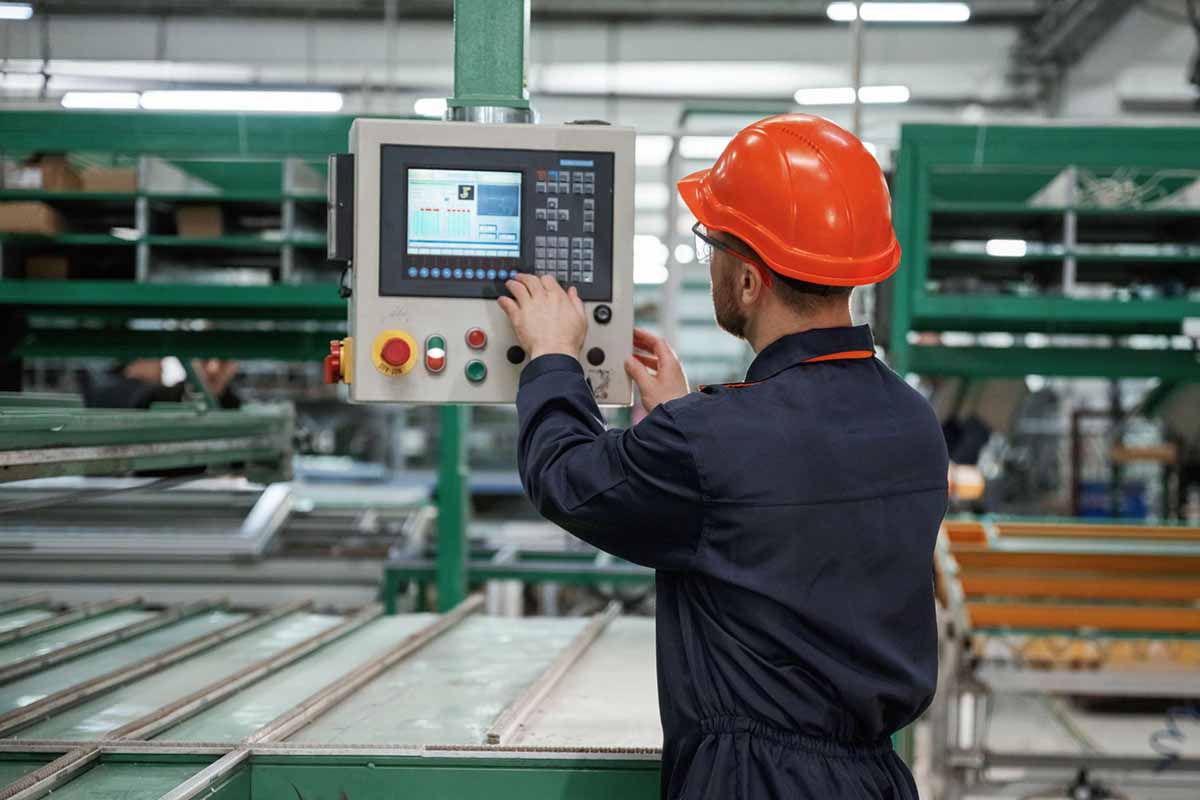
Consistent results don’t happen by accident they come from tracking and adjusting settings in real time.
Even small changes in materials or environment can affect performance.
Why monitoring matters:
- Raw materials can vary in moisture, density, or quality;
- Temperature and humidity can shift during production;
- Equipment performance can change over time;
How monitoring helps you stay in control:
- Detect issues early → catch changes before they affect quality;
- Keep output stable → maintain consistent particle size and performance;
- Reduce variability → fewer defects, less rework, lower costs;
With the right monitoring systems in place, you can quickly adjust settings and keep your production running smoothly and predictably.
Optimizing Performance Through Adjustment
Getting better results often comes down to small, precise changes.
Even minor adjustments in settings can improve efficiency and product quality.
Fine-tuning allows you to match processing conditions to the material, avoid unnecessary strain on equipment, and keep output consistent.
Over time, these small improvements add up to smoother operations and better performance.
Regularly reviewing and adjusting settings keeps production aligned with current goals, reduces waste, and helps maintain stable, high-quality results.
Key Points to Remember
- Operational settings directly influence particle size distribution;
- Small changes can have a significant impact on output;
- Monitoring ensures consistent performance;
- Proper adjustment improves efficiency and quality;
- Regular review helps maintain optimal results.