

Top Reasons to Keep Driving a Gas-Powered Car in Today’s EV Market
✨Key Points
- EVs are popular, but they still aren’t the perfect fit for every driver’s daily life.
- Gas and hybrid cars can make more sense for budget, range, and convenience needs.
- Skipping a fully electric vehicle doesn’t mean you’re behind—it means choosing what works.
Electric vehicles have quickly become a major force in the automotive industry, with global EV sales surpassing 17 million vehicles in 2024 and continuing to grow each year.
Governments worldwide are pushing for lower emissions, automakers are investing billions into electric technology, and consumers are becoming increasingly focused on sustainability and fuel efficiency.
According to the International Energy Agency, electric vehicles now account for nearly 1 in 5 new cars sold globally, a clear sign that the market is evolving rapidly.
However, despite the momentum behind EV adoption, fully electric vehicles are not automatically the best choice for every driver.
Real-world factors still influence buying decisions, including:
- Higher upfront vehicle costs compared to many gas-powered cars
- Limited charging infrastructure in some cities and rural areas
- Concerns about driving range during long-distance travel
- Charging times that may not fit every lifestyle or schedule
- Cold-weather performance and battery efficiency challenges
Because of these factors, many drivers continue choosing traditional gasoline-powered vehicles or hybrids that better fit their daily routines, budgets, and driving habits.
For commuters, families, and long-distance drivers, practicality often matters more than following the latest automotive trend.
Choosing not to switch to an electric vehicle does not mean resisting progress or ignoring environmental concerns.
In many cases, keeping a fuel-efficient gasoline vehicle or choosing a hybrid can still be a smart, cost-effective, and practical decision.
The best vehicle choice ultimately depends on your personal needs, financial situation, and lifestyle — not simply on industry pressure or market trends.
Charging Infrastructure Is Still Expanding
One of the biggest concerns for many potential EV buyers is charging availability.
While charging networks continue to improve, access can still vary significantly depending on location.
Drivers in urban areas may have easier access to public charging stations, but rural communities and smaller towns may still face limited infrastructure.
Apartment dwellers and people without home charging capabilities may also find daily charging inconvenient.
For drivers who frequently travel long distances, charging stops can require more planning and additional time compared to refueling a gasoline or hybrid vehicle.
Until charging infrastructure becomes more widespread and consistently reliable, some buyers may feel more comfortable delaying the switch.
Purchase Prices Can Be Higher
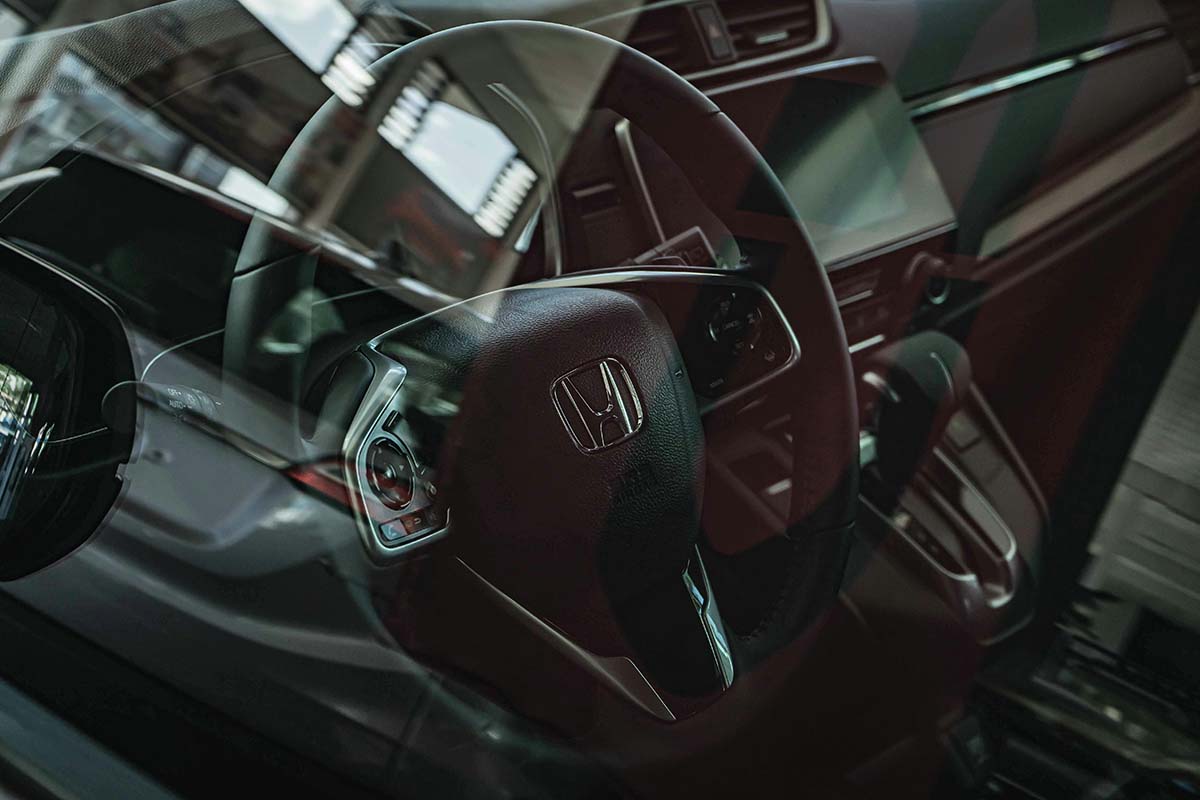
Although electric vehicles can reduce fuel and maintenance costs over time, the initial purchase price often remains higher than that of comparable gasoline-powered vehicles.
Battery technology, advanced software systems, and newer production methods contribute to the elevated costs of many EVs.
While tax incentives and rebates may help offset some expenses, they are not always available in every area.
For budget-conscious buyers, hybrids can provide a more affordable balance between fuel efficiency and practicality.
Many consumers exploring Honda hybrid inventory are attracted to vehicles that deliver lower fuel consumption without requiring a complete shift in driving habits.
Hybrids Offer a Middle Ground
Hybrid vehicles can be a practical choice for drivers who want better fuel economy but are not ready to depend entirely on charging.
Unlike modern electric cars, standard hybrids recharge their batteries while driving, so there is no need to install a home charger or plan trips around charging stations.
A hybrid may be especially useful if you:
- Live in an apartment or cannot charge at home.
- Regularly drive long distances or travel through areas with limited charging access.
- Want to spend less on fuel without changing your driving routine.
- Frequently drive in city traffic, where regenerative braking can improve efficiency.
- Prefer a quieter, smoother ride but still want the convenience of gasoline.
However, hybrids still require fuel, oil changes, and traditional engine maintenance.
Compare the purchase price, expected fuel savings, insurance, and maintenance costs before deciding whether a hybrid or fully electric vehicle offers better long-term value for your lifestyle.
Long-Distance Driving Still Matters
Range anxiety remains a concern for some drivers, especially those who frequently travel long distances for work, family visits, or vacations.
Although many electric vehicles now offer competitive battery ranges, external factors such as weather conditions, highway speeds, and towing can reduce overall efficiency.
Drivers who depend on consistent long-distance reliability may still prefer gasoline or hybrid models that provide faster refueling and greater flexibility.
This is especially true for people who live in regions where charging stations are limited or where winter temperatures can affect battery performance.
Environmental Goals Can Still Be Achieved
Choosing not to purchase a fully electric vehicle does not necessarily mean ignoring environmental concerns. Many modern gasoline-powered vehicles and hybrids are significantly more fuel-efficient and environmentally friendly than older models.
Hybrid vehicles like those from this Honda hybrid inventory, in particular, help reduce emissions while maintaining convenience and practicality. Consumers reviewing such a collection often discover that hybrid technology provides meaningful environmental benefits without requiring major changes to daily routines. For some drivers, improving fuel efficiency through hybrid ownership may represent a more realistic and manageable step toward sustainability.
The Right Choice Is the One That Fits Your Needs
Electric vehicles are shaping the future of transportation, but they are not the only smart choice on the road today.
For many drivers, hybrids and fuel-efficient gasoline vehicles still provide an excellent balance of affordability, reliability, convenience, and everyday practicality.
Instead of feeling pressured to follow automotive trends, drivers should focus on choosing a vehicle that truly fits their lifestyle and long-term financial goals.
The best vehicle is the one that makes your daily routine easier, more comfortable, and more affordable.
Why many drivers still choose hybrids or gas vehicles:
- Lower upfront purchase costs;
- Faster refueling compared to EV charging;
- Better convenience for long-distance travel;
- More affordable maintenance in some areas;
- Easier access to fuel stations nationwide.
At the end of the day, whether you choose an EV, hybrid, or gasoline-powered vehicle, making a decision based on your personal needs will always be the smartest investment.