What Nobody Tells You Before Riding a Jet Ski for the First Time
✨ Key Points
- Jet ski lessons help beginners learn safety, control, and water navigation before riding at high speeds.
- Many first-time riders underestimate how powerful and physically demanding jet skis can be on open water.
- Structured jet ski courses can improve confidence, reduce accident risks, and make the experience safer and more enjoyable.
Most people imagine jet skiing as something simple, jump on, hit the throttle, and enjoy the ride.
But many first-time riders quickly realize the reality feels much more intense once they are actually on the water.
Jet skis are fast, powerful, physically demanding, and far less predictable than they often appear in social media videos or vacation ads.
For beginners, the combination of speed, waves, sharp turns, and water conditions can feel overwhelming without proper instruction.
According to the U.S. Coast Guard, thousands of personal watercraft accidents happen every year, many involving inexperienced riders or people unfamiliar with water safety rules.
Safety experts and certified instructors often stress that proper training significantly reduces the risk of accidents, injuries, and loss of control on the water.
That is why many experienced riders recommend jet ski lesson or a structured jet ski course before riding independently.
A good course usually teaches:
- Basic jet ski control and handling;
- Water safety and navigation rules;
- Emergency stopping and turning techniques;
- How to handle waves and changing water conditions;
- Safe riding practices around other boats and swimmers.
Beyond safety, lessons can also help riders feel far more confident and relaxed on the water, allowing them to enjoy the experience instead of feeling nervous or out of control.
Here is what you should expect before taking your first jet ski lesson or course.
Why Bother with a Jet Ski Lesson?
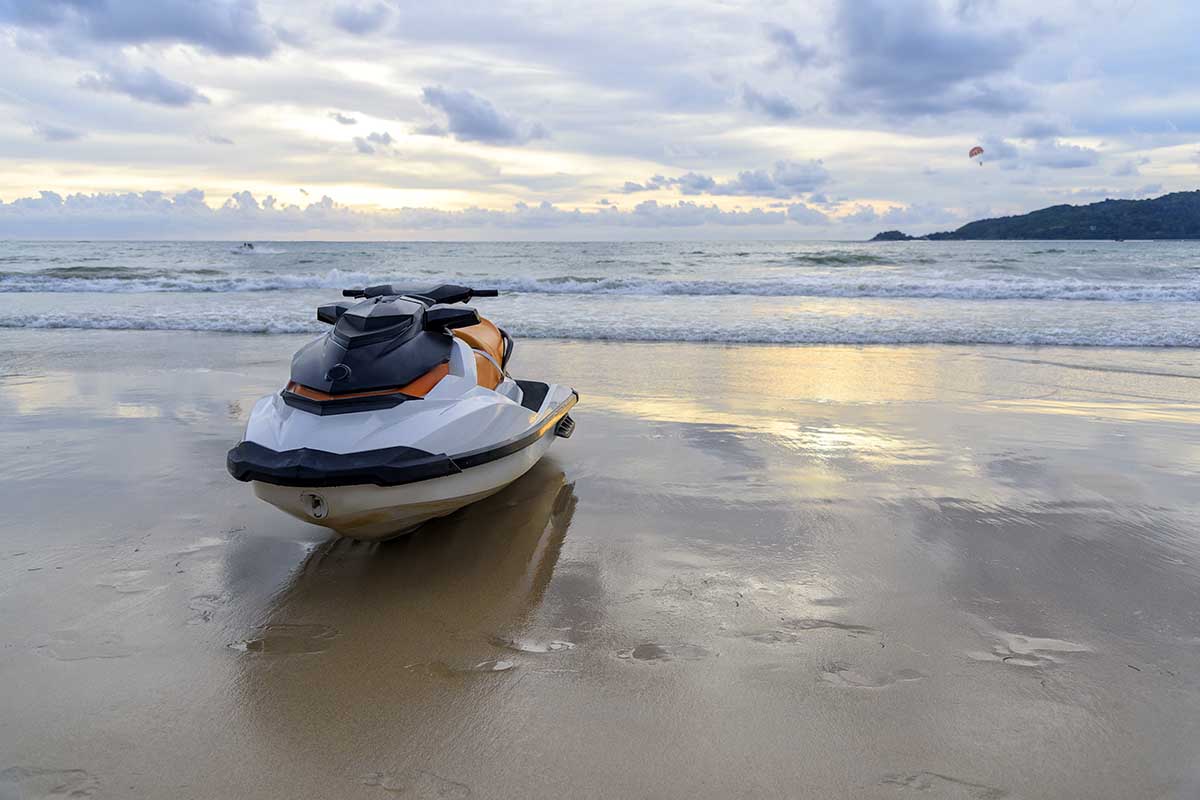
It’s a fair question. Jet skis aren’t exactly complicated machines, twist the throttle, steer, try not to fall off.
But that oversimplification is exactly what gets beginners into trouble.
Modern personal watercraft (PWC) can reach speeds of 60–70 mph.
On open water, with boat traffic, tides, and other waterway users to think about, that kind of speed demands real situational awareness.
A proper jet ski lesson gives you the foundational skills to handle the machine confidently, throttle control, turning technique, emergency stops, and how to right the craft if you capsize.
In the UK, while you don’t legally need a licence to ride a jet ski in most scenarios, the Royal Yachting Association (RYA) recommends completing a recognised course.
Many hire companies and activity providers now require proof of training before letting you out unsupervised, and insurers increasingly expect it too.
What Happens During a Jet Ski Course?
A typical beginner jet ski course runs between two and four hours, split between a shore briefing and time on the water. Here’s what most structured sessions cover:
- Pre-water briefing: You’ll learn how the craft works — engine cut-off switches (the kill cord is non-negotiable), throttle response, and basic water rules. Instructors will also run through local hazard awareness, which varies depending on your location.
- Shallow water familiarisation: Before you’re let loose, most courses start in calmer, shallower conditions where you can get a feel for acceleration and steering without the pressure of open water.
- Core riding skills: Controlled turns, figure-of-eight patterns, and speed management are standard across most courses. Some providers also include towing techniques if you’re working toward a more advanced qualification.
- Emergency procedures: Capsize recovery is a fundamental part of any reputable jet ski lesson. Knowing how to re-board after a fall — especially in open water — is as important as knowing how to ride.
More advanced jet ski course may cover navigation basics, tidal awareness, and riding in group formations, which is particularly useful if you’re planning to hire a jet ski as part of a group activity.
Choosing the Right Course for You
Not all jet ski lessons are created equal. A few things worth checking before you book:
- RYA accreditation — the RYA Personal Watercraft Proficiency certificate is the most widely recognised qualification in the UK. Providers offering RYA-endorsed courses follow a standardised curriculum, so you know exactly what you’re getting.
- Instructor-to-student ratio — smaller groups mean more time on the water and better feedback. Anything above a 1:4 ratio and your on-water time starts to suffer.
- Equipment quality — ask what machines you’ll be riding. Modern Yamaha WaveRunners and Sea-Doo models handle very differently from older craft, and newer equipment tends to be more forgiving for beginners.
- Location conditions — some venues operate on flat inland lakes, others on coastal open water. If you’re planning to eventually ride at the coast, coastal training gives you a much more realistic experience.
Where to Take Jet Ski Lessons in the UK
The UK coastline offers some excellent spots for water sports training.
Cornwall remains one of the most popular areas, with providers operating around the Camel Estuary, Hayle, and several other locations offering sheltered water for beginners alongside more challenging open-water routes for those progressing through a course.
The South Coast, particularly around Poole Harbour and the Isle of Wight — is another hub for PWC activity, with calmer tidal conditions that suit structured training well.
For inland options, large reservoirs in the Midlands and South East are increasingly home to watersports centres offering jet ski tuition year-round, away from the seasonal constraints of coastal venues.
Ready to Get Started?
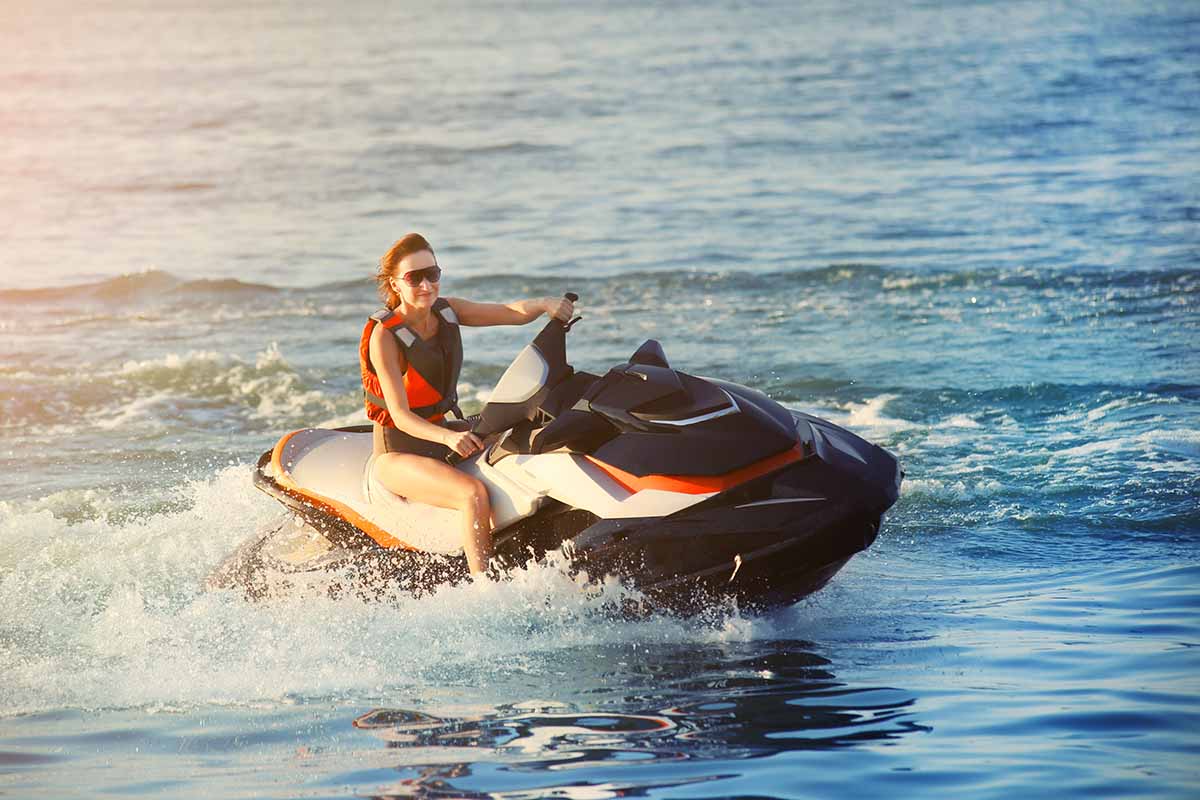
Whether you are looking for a fun first-time experience, a new outdoor hobby, or a full jet ski course that leads to a recognised qualification, learning from experienced instructors can make the entire experience safer, easier, and far more enjoyable.
A good jet ski lesson is not just about learning how to ride.
It helps beginners build confidence on the water, understand safety rules, improve control, and fully enjoy the excitement of riding without feeling overwhelmed or unprepared.
Many people are drawn to jet skiing because it offers:
- Adrenaline and excitement on the water;
- A new outdoor adventure experience;
- More confidence around personal watercraft;
- The freedom to explore lakes, rivers, and coastlines;
- A fun way to enjoy travel, summer, and water sports.
Choosing a provider that prioritizes safety, clear instruction, and beginner-friendly training can make a major difference, especially for first-time riders.
Platforms like adventuro make it easier to find jet ski course and water sports experiences across the UK based on your location, schedule, and experience level.
The water is waiting, and with the right training, your first ride can become the beginning of a new skill, hobby, or adventure you will remember for years.