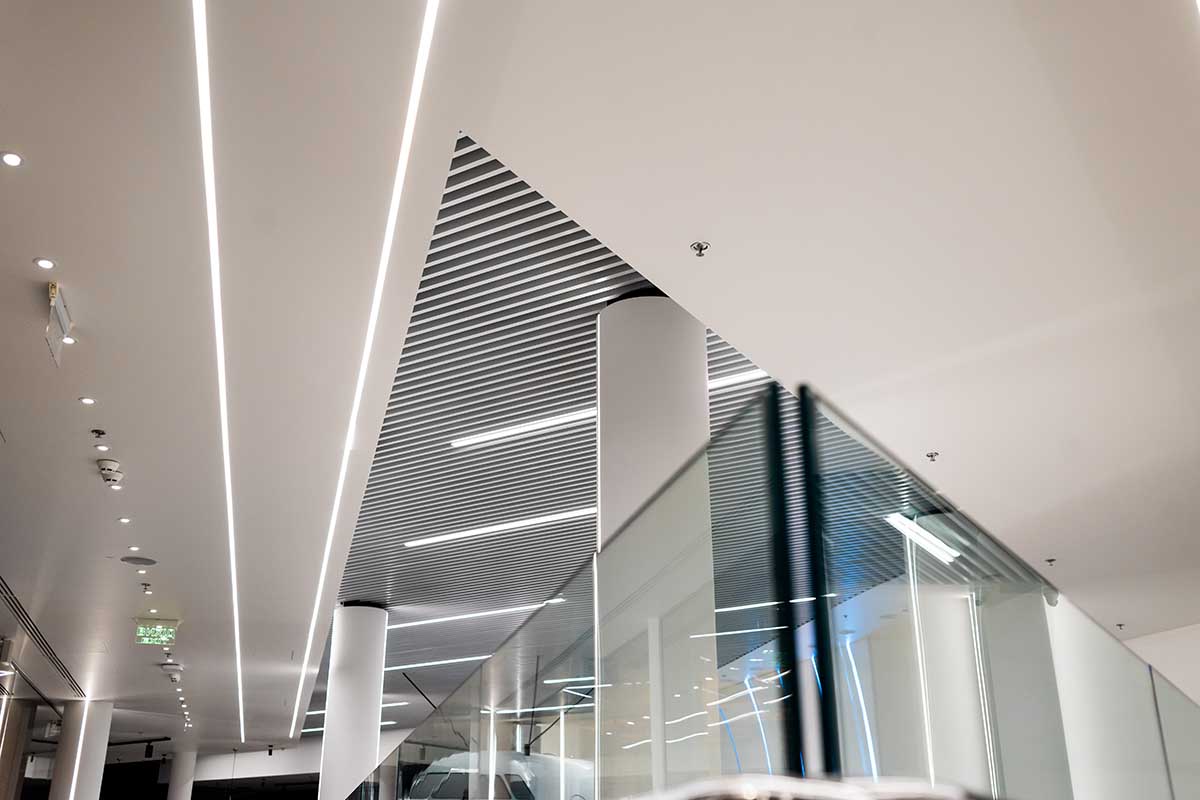
How to Choose a COB LED Strip Lights Manufacturer
✨Key Points
- COB LED strips create smooth, dot-free lighting that gives commercial spaces a cleaner, more premium look.
- Free-cutting COB strips make installations easier by fitting real-world layouts without awkward gaps or waste.
- Choosing the right manufacturer affects quality, efficiency, support, and long-term project success—not just cost.
As LED technology continues to reshape commercial lighting, businesses are becoming more selective about the products and partners they choose.
Whether the project involves retail stores, office spaces, hotels, exhibition halls, architectural facades, or signage systems, lighting is no longer viewed as a simple utility.
It has become an important component of customer experience, brand presentation, energy efficiency, and long-term operational costs.
For distributors, contractors, project managers, and lighting brands, choosing the right COB LED strip lights manufacturer can significantly impact project success.
While many purchasing decisions are still driven by price, experienced buyers understand that factors such as installation flexibility, product consistency, and technical support often have a much greater influence on overall project performance.
This article explores several key considerations businesses should evaluate when selecting a COB LED strip lights manufacturer and why certain technical features can create meaningful advantages in commercial applications.
Why COB Technology Is Gaining Attention in Commercial Projects
Traditional SMD LED strips have been widely used for years and continue to serve many applications effectively.
However, as design expectations increase, more businesses are turning to COB (Chip-on-Board) LED strips for projects that require cleaner and more professional lighting effects.
One of the primary advantages of COB technology is its ability to produce continuous, uniform illumination without visible light dots.
In applications such as retail shelving, display cabinets, hotel corridors, reception areas, and architectural coves, visible LED hotspots can negatively affect the visual appearance of a space.
COB strips create a smooth line of light that appears more refined and visually appealing.
This characteristic has become particularly valuable in premium commercial environments where lighting quality directly influences customer perception.
Maintenance can also be simplified.
Because the light-emitting surface is more uniform and less exposed than many conventional strip designs, cleaning and upkeep are often easier in indoor commercial environments.
For businesses focused on aesthetics and long-term usability, these practical advantages make COB technology an increasingly attractive option.
Installation Flexibility Matters More Than Many Buyers Realize

One of the most common challenges encountered during commercial lighting installations is adapting products to real-world dimensions.
Architectural drawings rarely account for every field condition.
Contractors frequently encounter irregular layouts, curved structures, custom cabinetry, display fixtures, and non-standard dimensions that require lighting systems to be adjusted on-site.
In these situations, traditional LED strips with fixed cutting intervals can create unnecessary complications.
Installers may be forced to leave dark sections, hide excess material, or redesign portions of the installation.
This is where free-cutting COB LED strips provide a significant advantage.
Unlike conventional strips that require cutting at specific intervals, free-cutting technology allows installers greater flexibility when matching lighting lengths to actual project requirements.
For businesses looking to choose the right LED strip lights wholesale, installation flexibility is an important factor to consider.
This capability can help reduce material waste, improve installation efficiency, and achieve cleaner final results.
The Importance of Voltage Stability in Commercial Lighting
Many businesses underestimate the importance of voltage selection when evaluating LED strip products.
In smaller installations, the difference between 12V and 24V systems may seem minor.
However, in commercial projects involving long lighting runs, voltage stability becomes a critical consideration.
Long corridors, extensive shelving systems, hotel hallways, office ceilings, and architectural perimeter lighting often require continuous lengths of LED strips.
In these applications, voltage drop can become a significant issue.
When voltage drops across the strip, brightness gradually decreases toward the end of the run.
This creates inconsistent illumination and can negatively affect the appearance of the finished installation.
For this reason, many professional lighting designers prefer 24V systems.
A 24V configuration helps minimize voltage drop, allowing longer strip runs while maintaining more consistent brightness.
The result is a cleaner lighting effect and fewer power injection points throughout the installation.
For businesses, this can simplify project design and reduce future maintenance requirements.
When evaluating a LED strip OEM manufacturer, understanding how they approach voltage management and long-run performance can reveal a great deal about their engineering capabilities.
Waterproof Performance and Commercial Reliability
Not every commercial project takes place indoors.
Many businesses require lighting solutions for outdoor signage, landscape features, building facades, walkways, and hospitality environments where exposure to moisture is unavoidable.
In these situations, waterproof performance becomes a critical factor rather than an optional feature.
High-quality IP65 and IP68 LED strip solutions are designed to withstand challenging environmental conditions while maintaining consistent operation.
For example, IP68-rated strips are engineered to prevent water ingress even in demanding environments.
This level of protection helps safeguard both the lighting system and the surrounding electrical components.
For project managers responsible for long-term reliability, selecting appropriate waterproof ratings during the planning stage can significantly reduce maintenance costs and unexpected failures.
A knowledgeable manufacturer should be able to recommend the appropriate protection level based on actual application requirements rather than simply promoting the highest rating available.
Beyond Products: The Value of Technical Support
Many buyers focus heavily on product specifications but overlook another important factor: technical support.
Commercial lighting projects often involve questions related to power supply sizing, controller compatibility, installation methods, waterproofing requirements, and system integration.
Even experienced contractors occasionally require guidance when dealing with complex installations.
A manufacturer that provides responsive technical support can help prevent costly mistakes before they occur.
This becomes particularly important for distributors and private-label brands that may not maintain extensive in-house engineering teams.
The ability to consult directly with knowledgeable product specialists can streamline project execution and improve overall customer satisfaction.
Technical support should be viewed as part of the product itself rather than an additional service.
Why Manufacturing Experience Still Matters
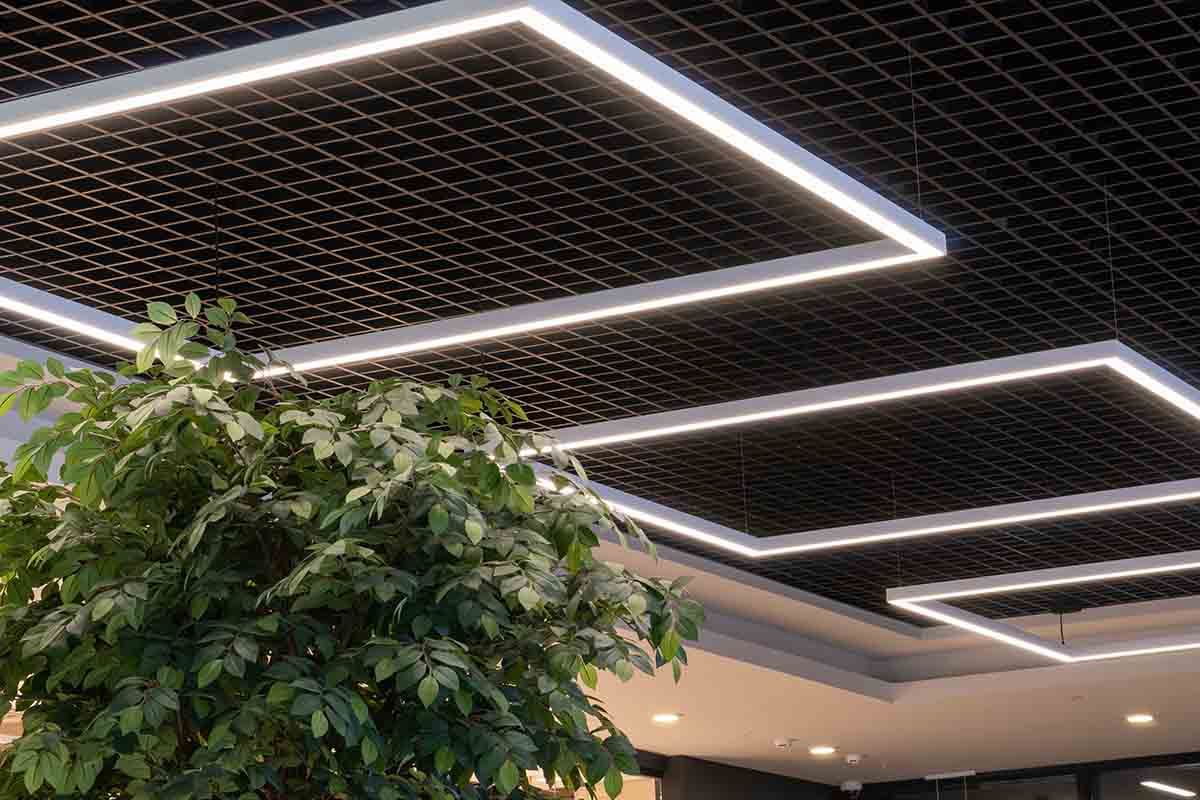
The LED industry has become highly competitive, and many products appear similar at first glance.
However, differences in manufacturing processes often determine how products perform after months or years of operation.
Factors such as component selection, PCB quality, thermal management, production consistency, and quality control procedures all contribute to overall reliability.
Manufacturers with extensive industry experience typically have a deeper understanding of these variables and are better equipped to address potential issues before products reach the market.
For businesses sourcing LED lighting products, evaluating a manufacturer’s experience can be just as important as comparing specifications or pricing.
Long-term partnerships are often built on reliability, consistency, and problem-solving capabilities rather than product features alone.