
The Difference Between Automation That Adds Value and Automation That Adds Complexity
✨Key Points
- Begin with a defined problem: Select forms of automation that address a verified bottleneck, quality issue, or labor constraint.
- Measure the complete impact: Consider integration, training, maintenance, downtime, and employee adoption—not only the purchase price.
- Keep people involved: Effective automation supports experienced workers and gives them better information; it does not remove essential human judgment.
Automation adds value when it reduces repetitive work, improves consistency, or removes a production bottleneck without making the process harder to manage.
In a CNC shop, the right system might automate quoting, tool monitoring, inspection, material handling, or machine loading so skilled employees can focus on programming, troubleshooting, and quality control.
The wrong investment creates a different reality: operators spend more time managing software, fixing integration problems, or entering the same information into multiple systems.
Instead of increasing capacity, the new technology adds training demands, maintenance costs, and additional points of failure.
Automation may be adding unnecessary complexity when:
- Employees create manual workarounds to keep production moving;
- Software does not integrate with existing machines or systems;
- Operators receive too many alerts to identify urgent problems;
- Maintenance requires skills the shop does not have;
- Data must be entered more than once;
- The process becomes slower when the system fails;
- The cost cannot be connected to measurable operational gains;
This guide explains how CNC shops can distinguish useful automation from costly complexity and evaluate which workflows offer the strongest opportunities for improvement.
Automation That Adds Value
Purpose-Driven
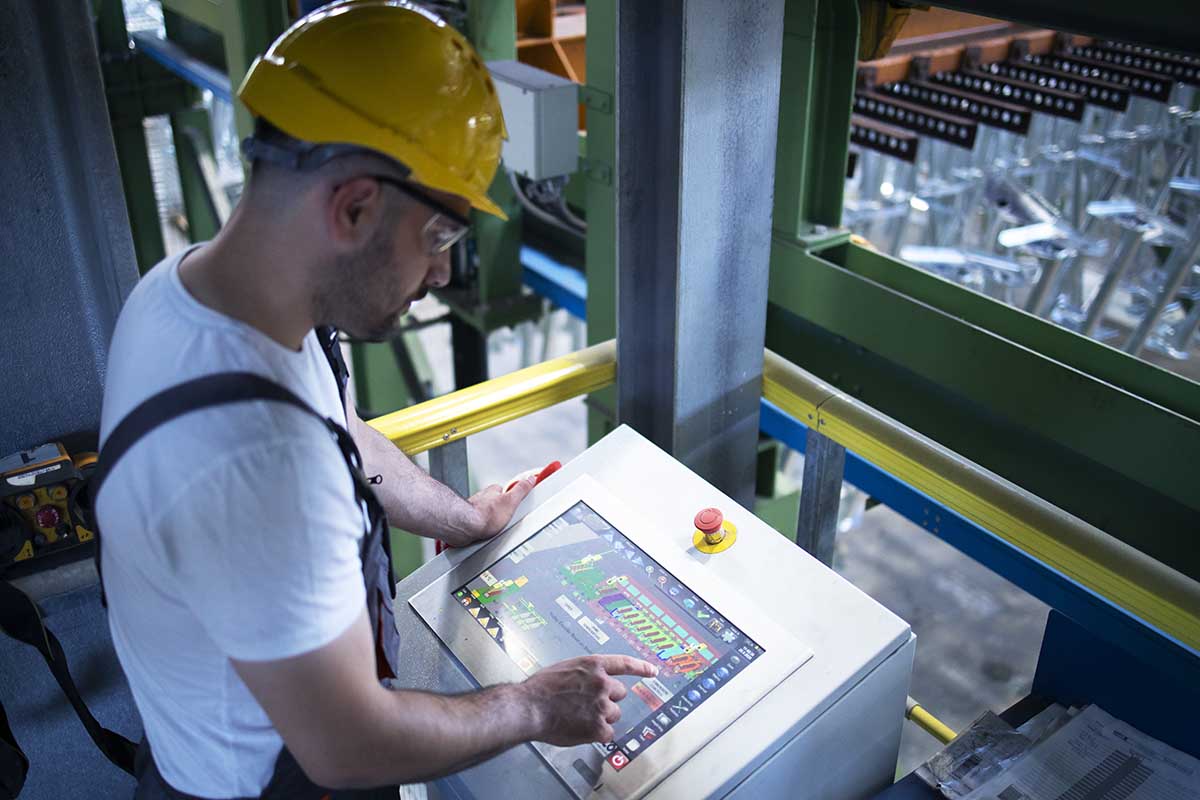
The automation that adds the most value tends to be designed around a business-specific purpose. Most purpose-driven automation is implemented to solve a specific, measured bottleneck rather than to generally increase efficiency or lower costs. While wanting to integrate innovative technologies is often a plus, the best automation will be that solves a common problem.
Many tools and forms of automation are built around general purposes that any CNC shop might have. Any traditional business would like to generally reduce their overhead or improve how fast they get certain jobs done without adding new personnel. Find a basic solution that your shop needs, and match it to a form of automation specific to your industry.
Simplicity-Forward
In addition to being purpose-driven, the most valuable automation also often favors the simplest mechanism that solves that specific business problem. Simpler systems both fail less and are easier to fix on the floor. The amount of complexity added to the running and troubleshooting of new machinery should be minimal.
For example, a simple automated tool path optimization through nesting software may be much more effective than installing a full robotic cell. The least complex tool that clears the bottleneck tends to be the automation that adds the most value.
Human Empowerment
Human empowerment is another key guiding principle in quality automation. This type of automation removes certain tedious and repetitive low-value tasks from a human’s workflow and allows them to focus on the judgment-heavy, high-value tasks that are also critical parts of their workflow.
Quality checking and process tuning are two major categories that human operators can focus more intently on without loading, unloading, and otherwise handling materials and machines in basic ways. For example, automating material loading/unloading and dust evacuation on a wood CNC router frees the operator to focus on higher-value tasks like grain matching, observing finish quality, and ensuring joinery fit.
Strategy-Focused
Some of the best forms of automation are built around specific strategies that your CNC shop is trying to prioritize. If your shop needs machines to keep running past standard shift hours, you should focus on automation that maximizes spindle utilization. Variability can also be reduced by automation that has identical part tolerances and repeatable surface finishes every cycle.
The types of automation you introduce should match the highly specific needs of your shop. For example, a cabinet-making shop that needs to increase output and improve efficiency could implement a CNC machine that does both while maintaining quality.
High Visibility
Some of the best machining automation adds a higher degree of visibility so that operators and managers can see what the system is doing more clearly.
Clear monitoring systems and/or dashboards enable human workers to fully analyze the system and to catch drift early so that it can be quickly corrected.
For example, real-time monitoring on acrylic cutting makes it easier for an operator to catch heat buildup before it causes melting or stress fractures.
Without such automation, operators might only catch such errors after the run is complete or once a whole batch of sheet stock has already been ruined.
Automation That Adds Complexity
Brittle Architecture
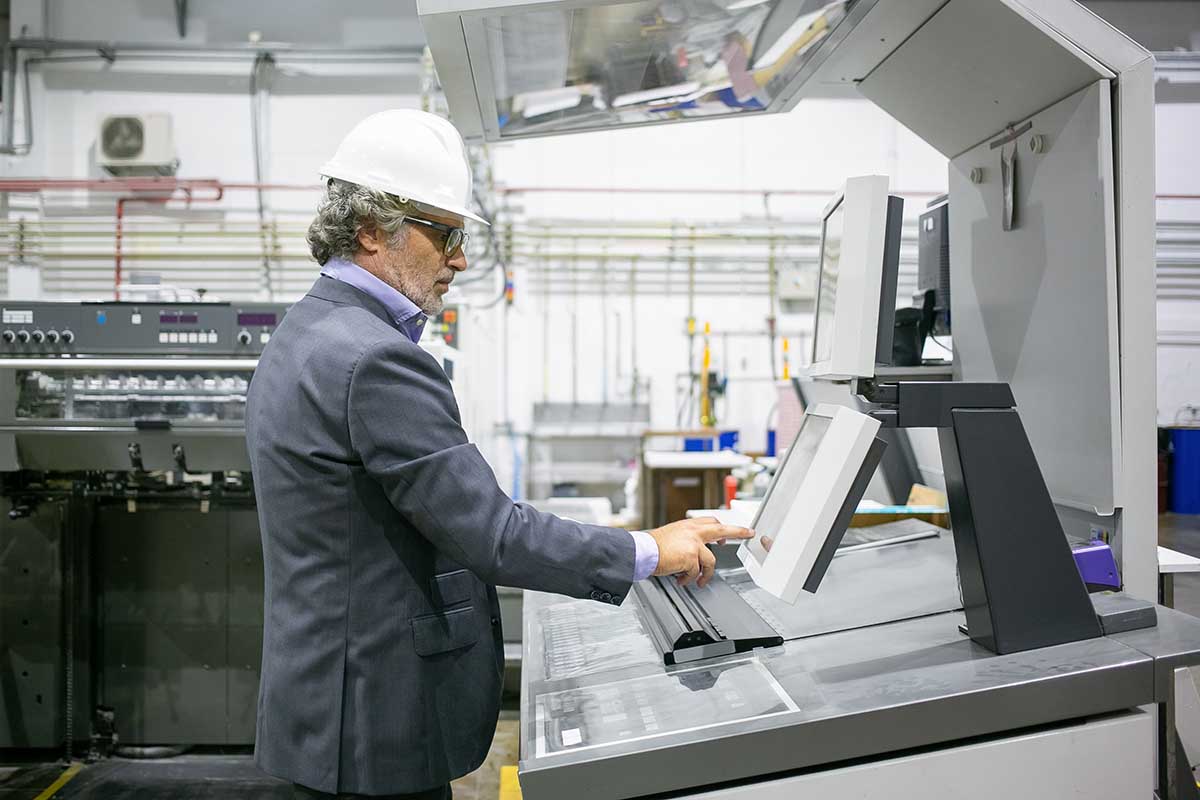
Automation can also add unnecessary complexity when it is introduced to brittle architecture. Heavily interconnected and rigid workflows that break easily tend not to need the introduction of automation. Adding unknown technological variables of any kind can easily break down this kind of machinery.
In CNC shops, automation built around one specific part geometry or one material can break the moment anything upstream changes. It is best to focus instead on more rigid architecture that can better handle innovation.
Incorrect Human Replacement
While automation is best for replacing low-value tasks, it can sometimes accidentally be used to replace high-value tasks that tools and robots cannot replicate.
Certain judgment calls, such as tool wear assessment or surface finish inspection, require a skilled operator’s pattern-recognition skills.
A piece of automated tech with a sensor threshold cannot catch what it was not told to look for in such scenarios, so utilizing this kind of automation actually adds complexity by decreasing efficiency and ultimately requiring human oversight.
How To Evaluate Workflows for Automation
To ensure your projects fall on the right side of the divide, evaluate each potential initiative according to the value and complexity it will bring if executed.
First, check the volume and frequency of each workflow to see whether automation could guarantee a clear payback. Next, check the variability of the workflow because how often the process itself changes will affect the ease of automation.
Thirdly, check what happens when each workflow breaks and who catches it to see if there are gaps that automation can add higher visibility to.
Some automation will add some additional complexity to your workflow, but it is worth it as long as the value added outweighs the cost with a clear payback timeline.
Key Takeaways
Automation can improve operational efficiency and reduce costs, but it is not always necessary.
To avoid unnecessary complexity, CNC shops should avoid automation without a clear purpose, automation added onto brittle architecture, automation that incorrectly replaces humans, and automation with too many hidden costs.
On the flip side, CNC shops should absolutely embrace automation that is purpose-driven and simplicity-forward, especially if it can empower human employees or add a higher degree of visibility.
Each shop can evaluate their own specific workflows based on how much value and/or complexity they bring to the workplace.