Neutral-Cure vs. Acetoxy Silicone Sealant: Which Should You Use?
✨ Key Points
- Neutral-cure silicone is usually the safer option for sensitive materials. Its non-acidic curing chemistry makes it more appropriate for metals, masonry, concrete, natural stone, mirrors, and assemblies containing different materials.
- Acetoxy silicone is commonly used on glass and glazed surfaces. It generally cures quickly and provides strong adhesion, but the acetic acid released during curing may corrode certain metals or affect incompatible materials.
- The product label and technical data sheet determine suitability. Cure type alone does not guarantee adhesion or compatibility, so check the approved substrates, primer requirements, movement rating, and application limitations.
Silicone sealants may look almost identical: the same cartridge, the same caulking gun, and the same flexible bead.
However, the most important differences are chemical rather than cosmetic.
The two primary options are neutral-cure silicone and acetoxy silicone, also called acetic-cure silicone.
Each releases a different byproduct while curing, which affects its odor, curing speed, material compatibility, and potential to corrode or stain certain surfaces.
Choosing the wrong cure type may lead to problems that do not appear immediately, including:
- Poor adhesion or separation from the surface;
- Corrosion of sensitive metals;
- Discoloration or staining of natural stone;
- Damage to mirrors or protective coatings;
- Premature joint failure and water leakage
Acetoxy silicone releases acetic acid while curing and is recognized by its strong vinegar-like smell.
It commonly bonds well to nonporous materials such as glass, glazed ceramic, and some tiles.
Neutral-cure silicone releases a non-acidic byproduct and is generally more suitable for metals, concrete, masonry, natural stone, mirrors, and mixed-material construction, but compatibility still depends on the individual product.
This guide explains the difference between neutral and acetoxy silicone sealants, where each type works best, and how to avoid expensive application mistakes.
Always consult the manufacturer’s technical data sheet and test adhesion and compatibility before using a sealant on an unfamiliar or sensitive substrate.
These recommendations align with technical guidance from silicone manufacturers such as Dow and WACKER.
What the Two Cure Types Release
Silicone sealants cure by reacting with atmospheric moisture. What they release as a by-product during that reaction defines the two families.
- Acetic cure releases acetic acid, the vinegar smell that fills a bathroom while the sealant sets. It cures fast, bonds strongly to non-porous surfaces, and costs less than the alternative.
- Neutral cure releases alcohol or oxime, and is close to odourless. It cures more slowly, is compatible with a far wider range of substrates, and costs more.
That acid is not incidental. It’s why acetic cure has a substrate list you cannot ignore.
Where Acetic Cure Belongs and Where It Causes Damage
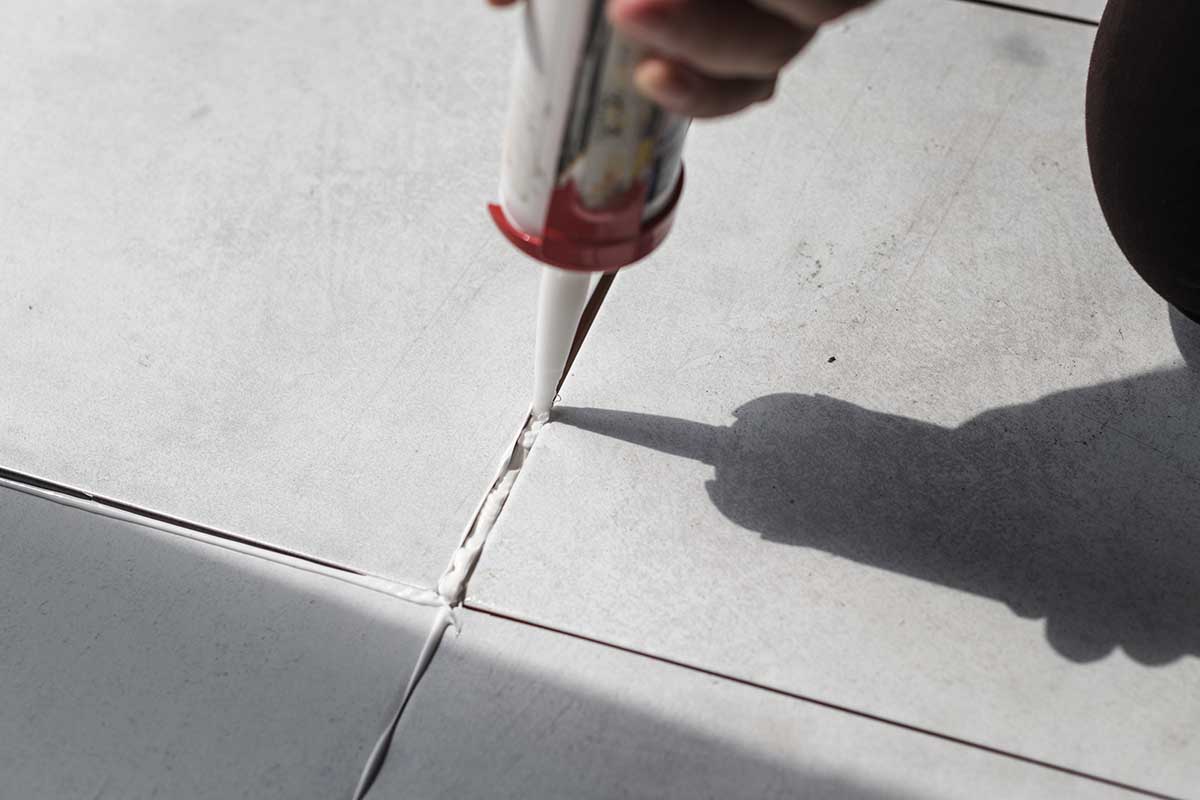
Acetic silicone is the right product for glass-to-glass and glass-to-anodised-aluminium joints: shower screens, glazing beads, aquariums, display cases, and general non-porous glazing work.
On those substrates it’s fast, strong, economical, and entirely appropriate.
It is the wrong product on
- Concrete, mortar, marble, and cementitious surfaces. The acid attacks the alkaline substrate, degrading the bond and sometimes etching the surface. Marble is particularly unforgiving; the damage is permanent and visible.
- Coated and galvanised metals. Acetic acid corrodes many coatings and attacks galvanising and copper.
- Mirror backing. The silvering on the back of a mirror is chemically vulnerable, and acetic cure will eventually black-spot it.
- Natural stone generally. Etching and staining risk on anything calcareous.
The failure pattern is characteristic: the joint looks perfect on handover, then over six to eighteen months the bond degrades from the substrate side and the bead peels cleanly away with no residue.
That clean release is diagnostic adhesion failed rather than the sealant tearing.
Where Neutral Cure Earns the Premium
Neutral cure silicone is substrate-tolerant in a way that makes it the default for anything mixed or uncertain: concrete-to-aluminium perimeters, coated metals, stone, façade weatherproofing, and any joint where the substrate list grew during construction.
It’s also the right call for enclosed spaces.
Acetic acid vapour in an unventilated interior is unpleasant and, at volume, corrosive to nearby metalwork, a real consideration in plant rooms, cold rooms, and kitchens where a large run is applied at once.
The trade-off is cure speed and cost.
Neutral cure takes longer to skin and to reach full cure, which matters on a schedule where the joint gets loaded or washed down quickly.
The Other Variable: Anti-Fungal Formulation
In Thailand’s humidity, any silicone joint in a wet area is a mold substrate unless the formulation says otherwise.
Bathroom and kitchen silicone that blackens along the bead within a year is one of the most common complaints about sealant, and it’s usually a specification problem rather than a cleaning problem; a general-purpose product was used where a fungicide-containing one was needed.
Anti-fungal silicone contains a biocide that resists colonisation for a period measured in years rather than months.
It’s a modest price difference addressing the single most visible failure mode in wet-area sealing.
A Short Selection Routine
Working through it in order takes about a minute and eliminates most specification errors.
List every substrate the sealant will touch, both sides of the joint, being specific “aluminium” isn’t enough if it’s powder-coated.
If anything is porous, alkaline, coated, or calcareous, the answer is neutral cure with no further debate.
If the joint is in a wet or high-humidity area, specify anti-fungal.
If it’s exterior and exposed, UV resistance and movement capability become governing properties rather than cure type alone.
One last check that catches a common site improvisation: silicone generally does not accept paint.
Paint applied over a cured silicone bead beads up and peels. If the joint must be painted, an acrylic sealant is the correct product from the start.
Practical Takeaways
- Acetic cure is for glass and anodised aluminium only never concrete, marble, coated metal, or mirrors;
- Neutral cure is the default whenever the substrate list is mixed or uncertain;
- A clean peel with no residue means adhesion failed usually wrong chemistry or bad preparation;
- Specify anti-fungal for any wet-area joint in a humid climate;
- If the joint needs painting, specify acrylic silicone will not take paint;
- Cure chemistry decides whether the product can work; preparation decides whether it does.
Where to Start
A properly organised Silicone sealant (head term) range should let you select by cure type and by fungal resistance independently.
First Sealant Technology’s range is structured that way: CW-1 as a neutral-cure weatherproofing silicone for exterior work with movement, N-100 as a general neutral sealant specified as acid-free and odourless for glazing, metal, kitchens, bathrooms and cold rooms, N-100 PLUS+ as the anti-fungus variant, and AS-628 as the acetic-cure option for non-porous applications a useful structure to compare any supplier against.
For substrate compatibility advice, their team can be reached at 096-818-9168, 097-959-5111, or 097-959-1222, Monday through Saturday, 08:30–17:30.
Technical specifications referenced above are drawn from the manufacturer’s published product information. Confirm substrate compatibility and suitability for your application directly with the supplier.