Why Does Roofing Cost More in Long Beach Than It Did a Decade Ago?
The increase is not caused by one factor. Roofing costs in Long Beach have been affected by:
- Higher prices for shingles, membranes, insulation, and metal;
- Shortages of experienced roofing professionals;
- Stricter building and energy-efficiency requirements;
- Increased insurance, transportation, and waste-disposal costs;
- Greater demand for durable, heat-resistant roofing systems.
Local conditions also matter.
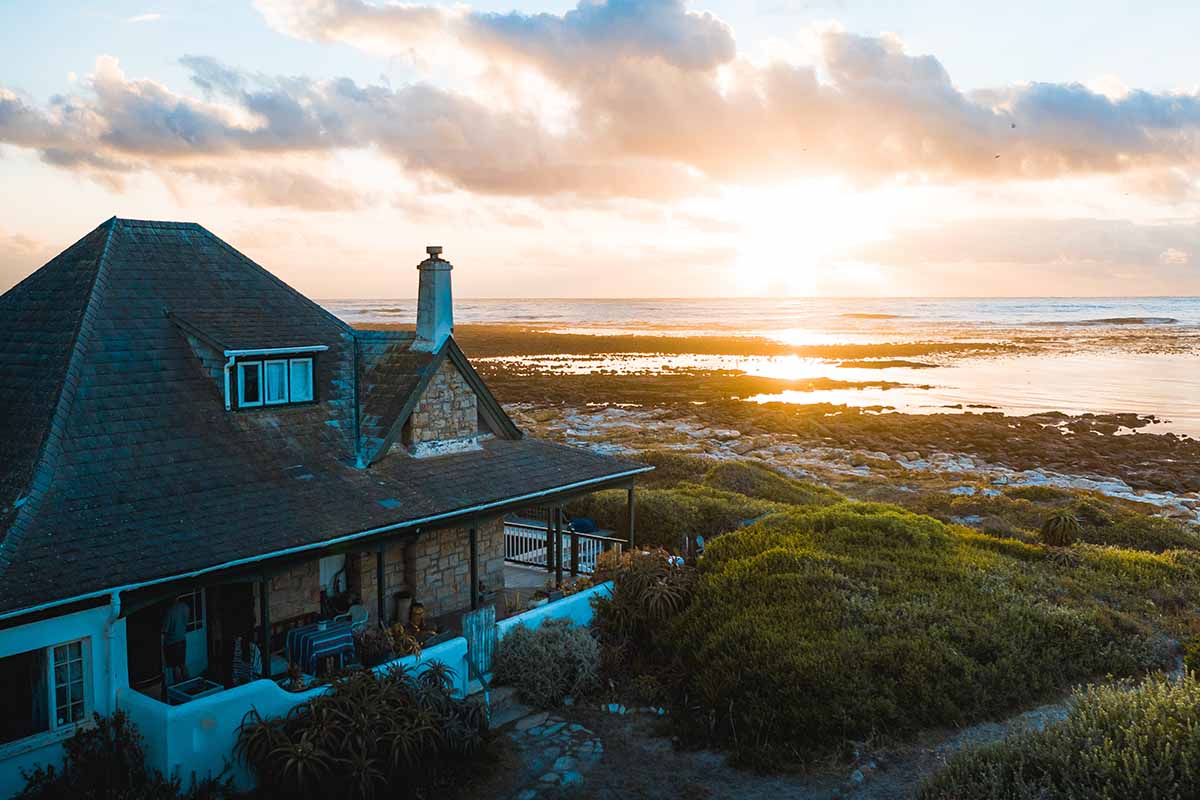
Coastal air, strong sun exposure, older buildings, and California’s regulatory requirements can influence which materials and installation methods are appropriate.
Understanding these factors helps property owners evaluate estimates more accurately, avoid choosing a contractor based only on the lowest price, and budget for a roof that provides lasting protection.
Here is what has changed, and why roofing in Long Beach costs more than it did ten years ago.
Material Costs Have Climbed Faster Than General Inflation
A decade ago, asphalt shingles, underlayment, and metal panels followed relatively predictable pricing cycles tied to petroleum markets and steel production.
That predictability largely disappeared.
Supply chain disruptions, tariffs on imported steel and aluminum, and spikes in asphalt derivative prices have pushed material costs up at a pace that outstrips general consumer inflation in most years since 2015.
For a coastal market like Long Beach, where salt air already accelerates wear and pushes property owners toward higher-grade coatings and fasteners, the compounding effect has been significant.
A roofing package that once used mid-tier materials as a default now often requires upgraded corrosion-resistant components simply to meet the durability expectations homeowners have come to rely on, and those components carry a real price premium.
The Labor Market Reshaped How Jobs Get Priced
Labor has undergone an equally dramatic shift.
Ten years ago, roofing crews were largely built through informal apprenticeship, with workers learning on the job under a lead installer.
Today, licensed contractors compete for a shrinking pool of trained labor against construction sectors offering comparable pay with less physical demand.
The Bureau of Labor Statistics tracks employment trends across the construction trades, and the broader pattern it reflects, tighter labor availability alongside steady demand, has pushed hourly labor rates upward across the roofing industry nationally.
Companies that have invested in formal training programs, safety certifications, and retention incentives have generally weathered this shift better than those relying purely on subcontracted day labor, but the underlying cost of skilled labor is higher across the board than it was a decade ago, and that cost is reflected in every estimate homeowners receive.
Energy Codes and Insurance Requirements Added New Cost Layers
Building codes and insurance underwriting have both evolved considerably since the mid-2010s.
Municipalities across Southern California, including Long Beach, have incrementally tightened energy efficiency requirements for roofing assemblies, often requiring reflective materials or additional insulation layers that were optional or nonexistent ten years ago.
At the same time, insurance carriers have grown more attentive to roof condition when underwriting property policies, sometimes requiring documented inspections or specific material ratings before issuing or renewing coverage.
Neither change was designed to burden property owners, both exist to improve long-term outcomes, but together they have added inspection fees, documentation requirements, and material specifications that simply did not factor into a typical roofing budget a decade ago.
Contractors who track these requirements closely have become more valuable precisely because navigating them correctly can prevent costly compliance issues down the line.
Demand Patterns Shifted With the Housing and Commercial Markets
Roofing demand does not move independently of the broader real estate market, and Long Beach has seen meaningful shifts over the past ten years.
A wave of multifamily construction, driven by regional housing pressure, created sustained demand for large-scale flat and low-slope commercial roofing work, a segment that barely resembled the mostly residential, sloped-roof market of a decade prior.
Meanwhile, homeowners who purchased older properties during the buying surge of the late 2010s are now reaching the point where original roofs, many installed twenty to thirty years ago, require replacement rather than repair.
This has created a steadier, more predictable demand curve than roofing contractors experienced in earlier decades, when work was more episodic and closely tied to storm damage or isolated failures.
That predictability has allowed reputable companies to invest in equipment, training, and year-round crews rather than scaling up and down reactively, which in turn has improved consistency for customers even as it has changed the cost structure of running a roofing business.
Technology and Transparency Changed How Homeowners Shop
Perhaps the least discussed economic shift is how digital tools changed the buying process itself.
Ten years ago, getting multiple roofing estimates meant scheduling several in-person visits over the course of a week or more.
Today, satellite measurement tools, drone inspections, and detailed online project galleries let homeowners narrow their options before a contractor ever sets foot on the property.
A homeowner searching for a roofer in Long Beach can now compare licensing, warranty terms, and material specifications within minutes, a level of transparency that simply did not exist in the pre-smartphone era of roofing sales.
This shift has pushed contractors to compete more directly on documented quality and clear pricing rather than on sales pressure alone, which has generally been a positive development for buyers even as it has raised the baseline expectation for professionalism across the industry.
What the Next Decade Likely Holds
The economic forces reshaping roofing over the past ten years show no sign of reversing, but they are becoming easier to plan around.
Material costs are stabilizing as manufacturers diversify supply chains, and workforce development programs are gradually expanding the pipeline of trained installers.
Energy and insurance requirements, while adding cost, are also extending the functional lifespan of roofing systems, which improves the long-term value proposition even when upfront numbers look higher than they once did.
For property owners in Long Beach, understanding these underlying economic drivers, rather than simply comparing sticker prices to memory, offers a far more accurate way to evaluate whether a given estimate reflects fair market conditions or an outlier worth questioning.
Roofing has always been a practical trade grounded in physical labor and durable materials, but the economics behind it have grown considerably more sophisticated over the past decade.
Recognizing how material markets, labor availability, code requirements, and shifting demand patterns interact gives property owners a clearer lens for planning future roofing investments, and it explains why today’s pricing, while higher, generally reflects a more resilient and better-regulated industry than existed ten years ago.