Why Humor Keeps Modern Gaming Content Worth Watching
✨ Key Points
- Humor keeps gaming content engaging: Funny reactions, commentary, and unexpected moments can make even familiar gameplay entertaining to watch.
- Personality matters as much as gameplay: Viewers often return to gaming creators for their humor, chemistry, reactions, and individual perspective—not simply to see a game completed.
- Funny moments make gaming content more shareable: Gaming fails, spontaneous jokes, and memorable reactions can become short clips that attract new viewers and encourage social sharing.
Gaming creators face a simple problem: good gameplay is no longer enough to keep people watching.
Viewers can find thousands of walkthroughs, livestreams, reviews, and highlight clips for almost any popular game.
So, what makes someone stay on one video instead of clicking the next?
Increasingly, it comes down to personality, commentary, and humor in gaming content.
Viewers want entertainment alongside gameplay, and sometimes a creator’s reaction to a failed jump, impossible boss, or ridiculous in-game moment is more memorable than the win itself.
Humor can help gaming creators:
- Keep viewers engaged during slower or repetitive gameplay;
- Turn mistakes and failures into entertaining moments;
- Develop a recognizable personality and content style;
- Make longer videos and livestreams easier to watch;
- Create memorable clips viewers want to share;
- Build recurring jokes and stronger connections with regular audiences.
Channels such as Game Grumps show how entertaining commentary and creator chemistry can become part of the experience rather than simply filling the silence between gameplay.
For creators competing in an increasingly crowded gaming space, that distinction matters: people may arrive because of the game, but personality and entertainment can give them a reason to stay.
Why Humor Matters in Gaming Content

People may initially click because they recognize a game, but personality often determines whether they stay.
A funny observation can make a slow section watchable, while an honest reaction can make a tense multiplayer match more approachable.
This is especially important in formats built around real-time media delivery, where viewers experience both the gameplay and the creator’s response as events unfold.
Planned jokes and accidental comedy both have value.
A challenge video may begin with a clear comic premise, such as trying to finish a game without using a common ability.
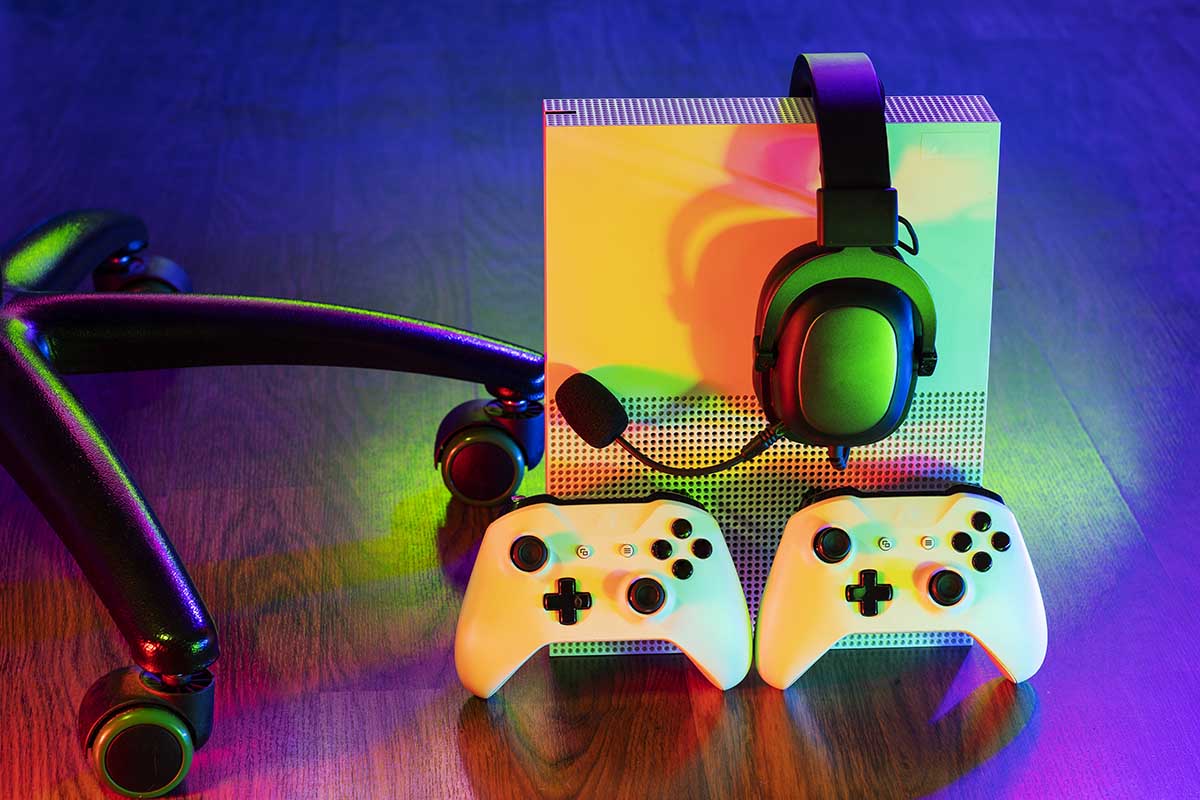
And while serious gamers play on gaming monitors designed for better performance and responsiveness, even the best setup cannot prevent an unexpectedly hilarious mistake.
The strongest moment may still be an unplanned failure halfway through.
That mix of preparation, skill, and surprise makes gaming humor feel immediate rather than overly scripted.
How Gameplay Creates Natural Comedy
Games are built to produce uncertainty.
Players make plans with incomplete information, controls do not always cooperate, teammates interpret instructions differently, and fictional worlds can take themselves far more seriously than the person holding the controller.
Those gaps create opportunities for comedy without needing an invented punchline.
Common Sources of Natural Humor
- A careful strategy collapses seconds after it begins.
- A character makes an absurd choice during an otherwise serious scene.
- A player misunderstands an objective or overlooks a clearly marked route.
- A harmless mistake becomes a running joke for the rest of the session.
- A teammate creates unexpected chaos while genuinely trying to help.
Consider the player who spends ten minutes hunting for a hidden item, checking every corner and blaming the game, only to discover it was visible from the start.
The joke lands when the creator admits the mistake and lets the audience share the realization.
Humiliation is not necessary. Recognition is enough.
Popular Humor Formats
Different formats create different comic rhythms.
Live reactions thrive on uncertainty, while edited videos rely on selection and pacing.
Neither is automatically better.
The right format depends on the game, the creator’s strengths, and the audience’s preferred way to watch.
- Live reactions:Fast responses turn surprising gameplay into a shared event.
- Edited highlights:Longer recordings become compact stories with a clear payoff.
- Comedy reviews:Playful criticism, comparisons, and recurring bits make analysis more accessible.
- Sketch-based videos:Familiar game frustrations become characters and short scenes.
- Challenge videos:Self-imposed rules create pressure, often leading to funny failures.
- Community clips:Viewers identify memorable moments and add context through comments or remixes.
How Humor Builds Audience Connection

A running joke can function like a welcome sign for regular viewers.
People repeat it in comments, send it to friends, and recognize it when it appears again weeks later.
That shared language can make a large audience feel more like a group, particularly when the joke is easy for newcomers to understand after a little context.
Humor also makes demanding games easier to watch.
A tense horror sequence can be balanced by a nervous joke, and a difficult strategy game can feel less intimidating when the creator is willing to laugh at their own bad decision.
The Role of Timing and Editing
Funny footage does not automatically become a funny video.
Editing determines what the viewer notices, how long a reaction lasts, and when the scene ends.
A well-cut clip preserves the surprise rather than explaining it too much.
- Remove pauses that slow the setup without adding tension.
- Leave enough silence for a confused look or delayed reaction to register.
- Use captions when fast dialogue would otherwise be missed.
- Repeat a mistake only when each replay adds a new detail.
- Avoid burying the moment beneath constant sound effects and visual clutter.
- End soon after the strongest beat rather than stretching the joke.
Restraint is often funnier than noise. One quiet cut to a character staring at the screen can say more than several exaggerated effects.
Good timing respects the viewer’s ability to understand the joke.
Where Gaming Humor Can Go Wrong
Comedy can build a welcoming community, but it can also push people away when it depends on slurs, personal attacks, harassment, or repeated targeting.
The safest approach is to make the situation, the game mechanic, or the creator’s own mistake the target of the joke, rather than someone’s identity or vulnerability.
Questions to Ask Before Publishing
- Is the joke about the situation rather than a person’s identity?
- Would it still work without embarrassing someone?
- Does the audience have enough context to understand it?
- Could the clip encourage viewers to harass another player?
- Does it fit the tone the community is meant to have?
A Simple Process for Creating Funny Gaming Content
- Choose the source of fun: Gameplay, commentary, editing, or a challenge premise.
- Set a clear goal:Give the session a simple objective that creates a sense of stakes.
- Record longer than needed:Natural comedy often happens between planned moments.
- Mark strong scenes:Note sharp reactions, surprising failures, and useful callbacks.
- Cut for clarity:Remove material that weakens the setup or confuses the viewer.
- Check the tone:Make sure the final version is fair, understandable, and welcoming.
- Invite conversation:Ask viewers to share a similar mistake or favorite in-game moment.
What Comes Next for Gaming Comedy
Gaming humor will continue to work across livestreams, short clips, podcasts, long-form videos, and community posts because each format serves a different viewing habit.
Short clips can turn one reaction into a shareable story, while longer videos give recurring jokes time to develop.
Interactive polls and audience challenges may also make viewers more active participants in the comedy.
The lasting principle is simple: humor works when it fits the creator, the game, and the audience.
It does not require expensive production or nonstop energy.
It requires awareness, timing, and enough room for the unexpected moment that no script could have planned.