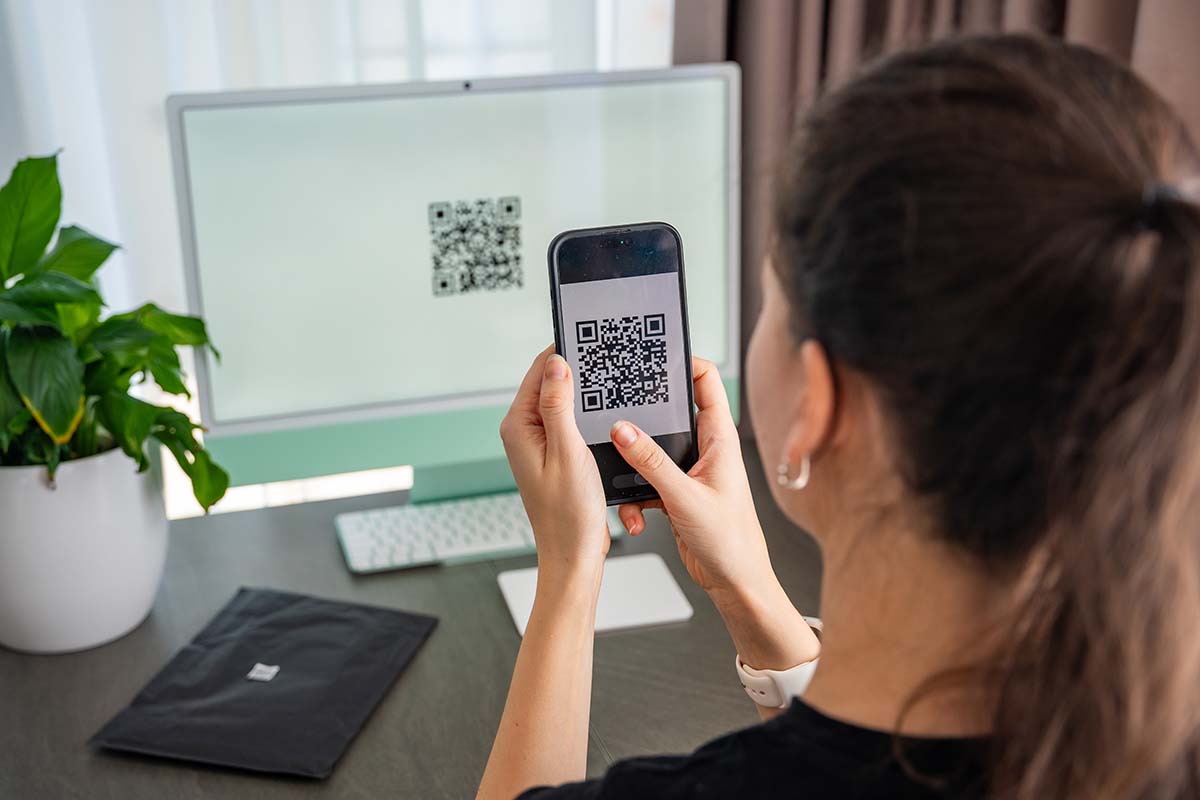
QR Code Labels for Business: 7 Mistakes That Make Them Fail
✨Key Points
- Choose QR labels for the environment, not just appearance. Labels used on warehouse equipment, outdoor assets, food packaging, or refrigerated products face very different conditions and require suitable materials, adhesives, and printing methods.
- Test QR codes in real-world conditions before ordering in bulk. Check scanning distance, lighting, curved surfaces, label size, contrast, and compatibility with several common smartphones.
- Think beyond the QR code itself. The best QR code labels combine reliable printing, appropriate materials, strong adhesion, readable supporting text, and a useful mobile destination that customers or employees can access quickly.
QR codes are easy to create, but QR code labels for business need to do more than simply look good. They have to scan reliably, stay attached, and survive the conditions in which customers or employees actually use them.
Businesses use QR labels for everything from product information and digital menus to inventory, asset tracking, warranties, and promotions. Major brands such as Starbucks have also helped make QR-based interactions a familiar part of the customer experience.
But problems quickly appear when:
- A label peels off in cold or humid conditions;
- A QR code is too small or poorly printed to scan;
- Curved packaging distorts the code;
- Sunlight, moisture, or abrasion damages the label;
- The QR code leads to a slow or poorly optimized mobile page;
That’s why choosing the right material, adhesive, print quality, size, and placement matters.
Below, we explain how to choose QR labels that scan reliably, last in real-world conditions, and actually serve their intended purpose.
More info on what these are.
Determine How You Will Use Them First
Unsurprisingly, the very first thing you have to do here is, well, determine how it is exactly that you will be using the QR labels.
Businesses use those for various different purposes, including product identification, asset tracking, inventory management, marketing campaigns, restaurant menus, event check-ins, and numerous other things.
And, all of those applications have different requirements when it comes to durability, size, materials, and printing quality.
So, knowing your intended use is sure to help narrow your options down and prevent you from buying those products that won’t really be able to meet your needs.
Here is more on QR codes in general: https://www.investopedia.com/terms/q/quick-response-qr-code.asp
Choose the Right Material
One of the main decisions you will have to make here is, well, the materials that you want to be used for your labels.
For example, paper labels may work well for a lot of indoor and short-term applications, including retail pricing, shipping, promotional campaigns and similar.
Yet, some businesses may require more durable solutions, such as polyester, vinyl, synthetic films and similar.
It is up to you, thus, to figure out which materials can work for you perfectly, and remember that great suppliers can always share some recommendations on this.
Consider Your Environment
Another important factor to consider is the actual environment in which the labels will be used.
Think about whether they will be exposed to sunlight, rain, humidity, freezing temperatures, heat, chemicals, frequent cleaning, heavy handling, and similar.
Understanding the environment will help you ensure that the QR codes will be easy to scan throughout the intended lifespan.
Choosing the Right QR Label Supplier Matters
A good supplier should do more than print your QR code on a sticker.
They should help ensure the label works reliably for its intended surface, environment, and business purpose.
Before ordering, ask potential suppliers about:
- Material and adhesive options: Explain whether labels will be used on cardboard, glass, plastic, metal, equipment, or outdoor surfaces.
- Durability: Ask how the labels perform when exposed to moisture, heat, cold, sunlight, chemicals, or frequent handling.
- Print and scan quality: Request samples and test them with different smartphones before committing to a large order.
- Custom sizes and finishes: The supplier should be able to recommend dimensions that keep the QR code readable without compromising your packaging or design.
- Bulk consistency: If you are ordering thousands of labels, ask how the supplier maintains consistent print quality across the entire run.
It is also worth discussing the use of a dynamic QR code for business before printing a large quantity of labels.
Unlike a static QR code with a fixed destination, a dynamic QR code can typically redirect users to a different destination later without requiring the physical code to be reprinted.
For example, a business could initially direct customers to a product guide and later change the destination to a warranty page, updated instructions, or a seasonal promotion while keeping the same labels in circulation.
That flexibility can make a major difference when thousands of labels have already been applied.
Instead of replacing physical labels every time information changes, the business can update the digital destination behind the QR code.
Choose a supplier that understands both the physical requirements of QR labels and how they will be used within your broader business process.
The goal is not simply to receive a box of printed labels, it is to create a system that remains reliable and useful after those labels reach customers, products, or employees.
So, Research More of Them
In order to make a smart decision, you will have to, naturally, research more companies that offer these services.
Find more of them online, for starters, and check for those suppliers that offer great Industrial-Grade QR Labels Built for your Business, so that you can ensure that you are getting the best quality.
Once you have found more candidates, you will be ready to do some more detailed research on them.
Check their experience first, to determine if they have worked with businesses similar to yours and if they, thus, understand your needs and requirements.
Then, remember to check the reputation as well, through reading reviews written by previous clients, because you want to choose highly reliable and trustworthy pros to provide you with what you need.
And, of course, remember to inspect the quality of their products, the turnaround time, and anything else you may want to know.
Don’t Choose Based on Nothing Else But the Price
Price matters, especially when ordering hundreds or thousands of QR code labels for business, but the cheapest option can become expensive if labels peel off, fade, become unreadable, or need frequent replacement.
Instead of comparing suppliers on price alone, consider what the labels need to accomplish for your business:
- Reduce replacement costs: Durable labels can remain usable longer, reducing reprinting and labor costs.
- Prevent operational delays: Reliable QR labels help employees access inventory, asset, or maintenance information when they need it.
- Improve customer experience: Customers should be able to scan a code quickly without repeatedly adjusting their phone or giving up.
- Protect your brand image: A faded, damaged, or poorly printed label can make otherwise professional packaging or equipment look neglected.
- Support growth: Consistent labeling becomes increasingly important as inventory, locations, products, or equipment increase.
So, are better QR labels worth paying more for? In many business applications, yes—particularly when the code supports sales, customer service, inventory management, or essential operations.
The goal isn’t to buy the most expensive label.
It is to choose the option that delivers the lowest long-term cost, reliable performance, and the least friction for your customers and employees.