History of Tipping in America: Origins & Controversy
✨Key Takeaways
- Tipping originated in Europe, not America. The custom developed from practices such as giving servants extra payments, known as vails, in wealthy English households. Americans adopted tipping more widely after the Civil War.
- The history of tipping in America is closely connected to race and labor. After slavery ended, many Black workers faced limited employment opportunities and low wages. Pullman porters, for example, relied heavily on passenger tips to supplement their earnings.
- Tipping has been controversial from the beginning. Some Americans viewed gratuities as a symbol of class inequality, and lawmakers attempted to ban the practice. Despite that opposition, tipping became an established part of American service culture.
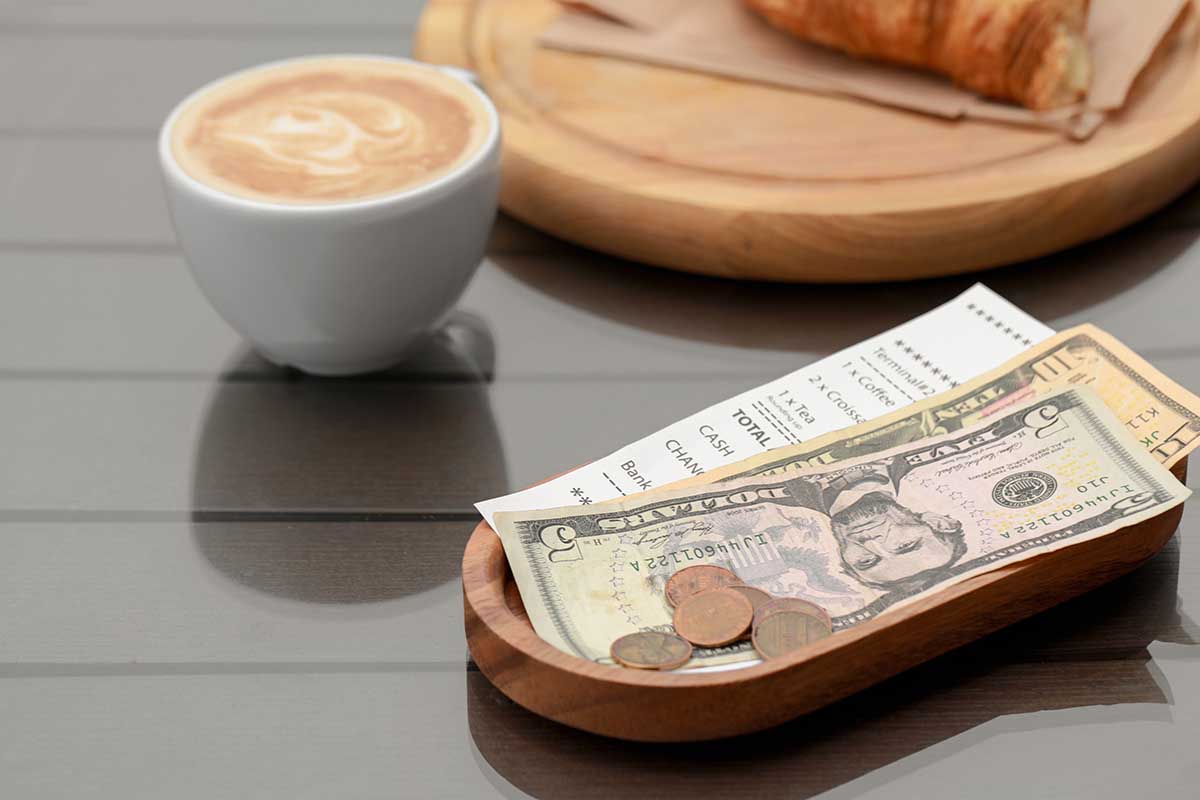
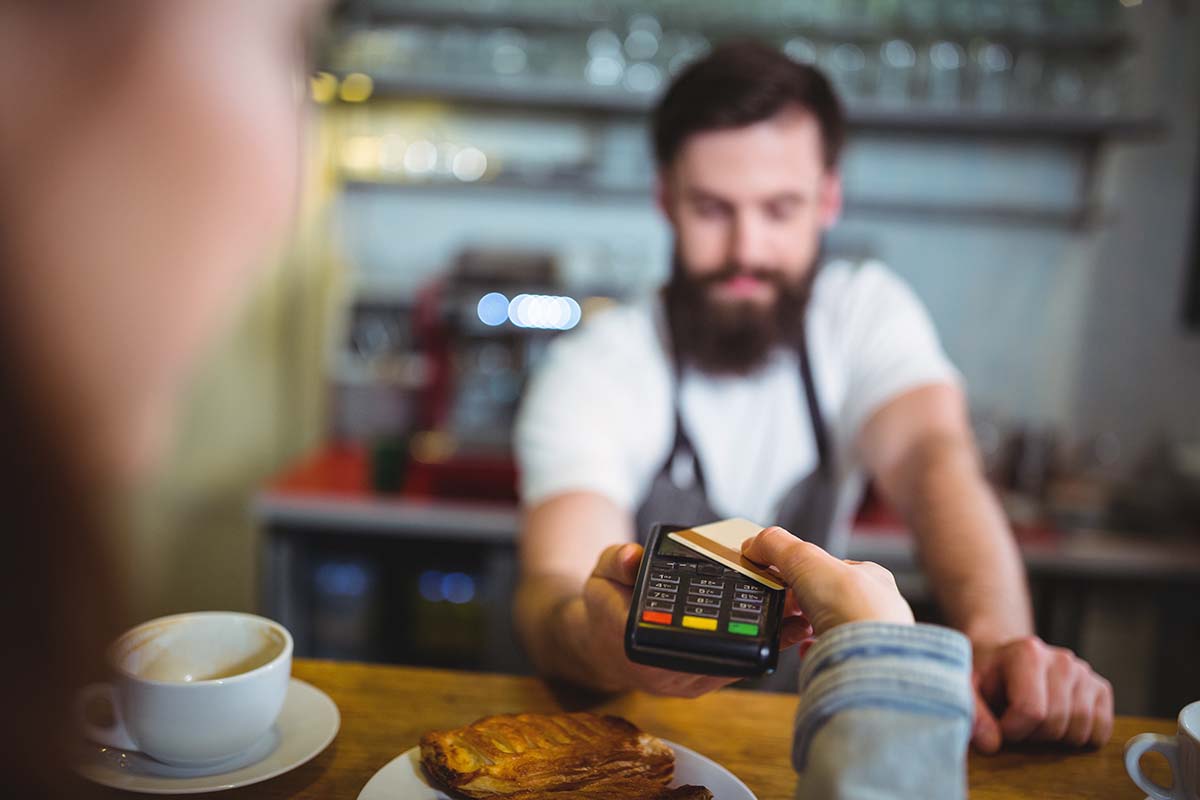
Modern US payment terminals routinely prompt diners for gratuity around 20% before a bill is paid.
A tipping guide website can explain today’s customs, but the history of tipping includes plenty of arguments over whether Americans should leave tips at all.
Americans once argued that handing money directly to a server was insulting. Some lawmakers even tried to make it illegal.
The custom had already been around for centuries before it reached American restaurants.
Where Did Tipping Originate? The Surprising History of Vails
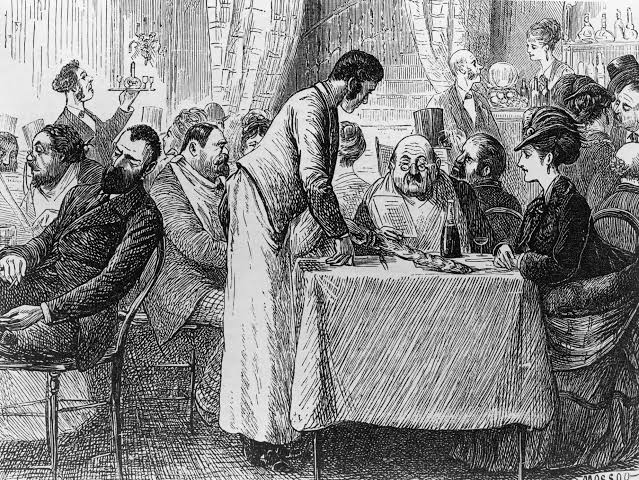
Imagine spending a weekend at someone’s house, only to discover that leaving comes with an unexpected bill.
You’ve already paid for your travel, brought a gift for your host, and enjoyed your stay.
But as you’re getting ready to leave, several household servants are waiting for extra money.
Sounds a little like today’s tipping culture, doesn’t it?
In wealthy English households, this was once a familiar situation.
Guests were expected to give servants small payments called vails, a practice that helped shape the history of tipping.
Why Did Guests Resent Paying Vails?
What started as a gesture of appreciation became a source of frustration, especially when wealthy households employed large numbers of servants.
Guests faced several uncomfortable situations:
- The awkward goodbye: Leaving without giving servants money could feel embarrassing or socially unacceptable.
- The unexpected expense: Visiting a large household meant potentially paying several servants, not just one.
- The pressure to participate: Even guests who disliked the custom had to decide whether refusing would make them look rude.
- The growing expectation: What was supposed to be an extra reward increasingly felt like another cost of visiting.
The frustration may sound familiar to anyone who has stared at a payment terminal asking for a 20%, 25%, or 30% tip after a simple purchase.
When Did Tipping Become Controversial?
The tension wasn’t limited to awkward conversations.
In 1764, servants protesting restrictions on vails reportedly broke windows and threw stones at London’s Ranelagh Gardens.
The incident showed how contentious these payments had become.
For guests, vails could feel like an unreasonable expense. For servants who had come to rely on them, restrictions threatened an expected source of income.
Meanwhile, tipping customs were also developing in English coffeehouses, where customers could leave additional money for service.
Does TIP Really Mean “To Insure Promptitude”?
You may have heard that the word tip comes from the phrase “To Insure Promptitude,” suggesting that customers originally paid extra to receive faster service.
It’s a catchy explanation, but historians and etymologists generally reject it as a folk etymology.
There is little historical evidence supporting that origin.
The more interesting story is how a custom associated with servants and wealthy households eventually became an everyday expectation in American restaurants.
And when tipping crossed the Atlantic, Americans didn’t exactly welcome it with open arms.
How Did Tipping Reach America?

After the Civil War, wealthy Americans returning from Europe brought home a controversial habit: tipping people for their service.
Some travelers saw it as a sign of good manners and sophistication.
Others considered it an unwelcome reminder of Europe’s rigid class system, where wealthy customers handed extra money to workers expected to accept it.
Despite the criticism, tipping gradually spread through American hotels, restaurants, and railroads.
As travel became more common, tipping in America became increasingly familiar.
But the debate over whether it belonged in a society built on equality was far from over.
How Is the History of Tipping Connected to Slavery?
The end of slavery didn’t bring equal job opportunities for African Americans.
Many were left with limited employment options and poorly paid service jobs.
Pullman railroad porters were a striking example.
While passengers slept comfortably in their train cars, porters worked long hours preparing beds, carrying luggage, and attending to travelers’ needs.
Some porters had previously been enslaved.
By 1915, Pullman paid porters just $27.50 a month, leaving them heavily dependent on passenger tips to make ends meet.
As the 1920s business and the economy expanded, prosperity didn’t reach every worker equally.
While businesses benefited from growing travel and consumer spending, many service workers still depended on tips to supplement their low wages.
In 1925, Pullman porters organized the Brotherhood of Sleeping Car Porters to fight for fairer wages, better working conditions, and greater dignity.
Why Did States Try to Ban Tipping?
Imagine leaving a few extra dollars for your server and discovering that you could be fined for it.
In Washington state, that became a possibility in 1909, when lawmakers passed an anti-tipping law.
Between 1909 and 1915, six states introduced similar bans, including Arkansas and Tennessee.
Opponents argued that tipping encouraged class divisions and undermined American ideals of equality. Why should workers have to depend on customers’ generosity instead of receiving fair wages?
In his 1916 book The Itching Palm, William R. Scott made a similar argument, criticizing tipping as incompatible with democratic values.
But the anti-tipping movement didn’t last. Public opposition and legal challenges weakened the bans, and by the 1920s, all six states had abandoned their anti-tipping laws.
How Did Restaurants Make Tipping Routine?
Early American inns built meals directly into the price of a room.
Guests sat together at one big table, usually eating with the owner.
That setup shifted once larger hotels opened and started hiring dedicated dining staff.
With waiters now serving guests at individual tables, hotel owners had their doubts about tipping.
They didn’t like the idea of money influencing which guests received the most attention.
After Prohibition began in 1920, hotels lost a major source of income from alcohol sales.
A busy dining room didn’t always mean good profits.
Owners still had wages to pay after the guests left. Keeping those expenses down became a priority.
Customers began paying for meals individually, with tips covering part of what waiters earned.
What Changed Under Federal Wage Laws?
Few people would guess that $2.13 an hour still has a place in federal wage law.
Yet that’s the federal minimum cash rate employers can pay qualifying tipped workers under the tip credit system.
The story goes back to the 1938 minimum wage law and amendments passed in 1966.
Those changes let employers count part of their employees’ tips toward required wages.
In 1996, Congress fixed the cash rate at $2.13, where it remains today.
Employers must cover any shortfall if pay and tips together fall below the federal $7.25 hourly minimum.
How Does Tipping Look in 2026?
Digital checkout screens have pushed tip requests into self-service kiosks and coffee counters where gratuities were once rare.
Coffee shops aren’t the only places asking customers for extra money anymore.
Of the 500 Americans questioned in February 2026, 62% had noticed more tip requests over the previous two years.
Half had a problem with the suggested percentages at checkout.
Modern etiquette resources like a tipping guide USA now cover these payment terminals right next to regular sit-down dining.
Much of today’s tipping advice covers payment screens at coffee counters and self-service kiosks—situations that previous generations rarely had to think about.
✨FAQ About Tipping in America
Q: Why Is 20% Considered a Standard Tip in America?
A: A 20% tip has become a common benchmark at full-service restaurants in the United States. In earlier decades, 10–15% was more typical, but expectations gradually increased. Today, many restaurants and payment terminals suggest 18%, 20%, or even 25%. However, tipping 20% is a social custom, not a legal requirement.
Q: Is Tipping Mandatory in the United States?
A: No, tipping is generally not legally required in the United States. However, it is strongly expected at full-service restaurants, where many employees depend on gratuities as part of their income. Some establishments add mandatory service charges or automatic gratuities, so customers should review their bills before leaving an additional tip.
Q: Why Can American Restaurants Pay Servers Less Than Minimum Wage?
A: Under federal law, qualifying tipped employees may receive a direct cash wage as low as $2.13 per hour if their tips bring their total earnings to at least the federal minimum wage. Employers must cover any shortfall. However, state laws vary, and some states require restaurants to pay the full applicable minimum wage before tips.
Q: Why Are Coffee Shops and Fast-Food Restaurants Asking for Tips?
A: Digital payment terminals have made tipping requests more common at coffee shops, bakeries, food trucks, and counter-service restaurants. Customers may now see suggested gratuities before receiving their orders. This trend is often called tipflation, referring to the expansion of tipping requests into situations where gratuities were previously less common.
Q: What Is the Difference Between a Tip and a Service Charge?
A: A tip is a voluntary payment that customers choose to leave for service. A service charge is a fee set by the business and added to the bill. Under federal labor rules, mandatory service charges are not legally classified as tips, even if the business distributes some or all of that money to employees.
Q: What Would Happen If America Eliminated Tipping?
A: Eliminating tipping would likely change how restaurants structure wages and menu prices. Some businesses might increase prices or introduce service charges to fund employee compensation. Workers could receive more predictable wages, but their overall earnings might increase or decrease depending on the system. The outcome would depend on how individual businesses replaced gratuities.